 Chuckanut Exterior
 Exterior Work Built for Blanchard's Climate
Blanchard sits in that stretch of Northwest Washington where the Chuckanut corridor meets the open water and timbered hillsides of the Samish Bay area. It's a beautiful place to own a home, but it's also a demanding one for anything nailed, caulked, or painted onto the outside of a house. Homes here deal with a combination most other parts of the state don't see all at once: salt-laden air drifting in off the bay, driving rain that comes in sideways during winter storms, and a moss season that can run most of the year in the shadier, tree-covered lots common to this area.
Chuckanut Exterior Company works this area regularly, and we've built our approach around those specific conditions rather than a generic "Western Washington" playbook. Siding, roofing, windows, and decks all fail in different ways out here than they do in a drier inland climate, and the fixes have to match the actual problem.
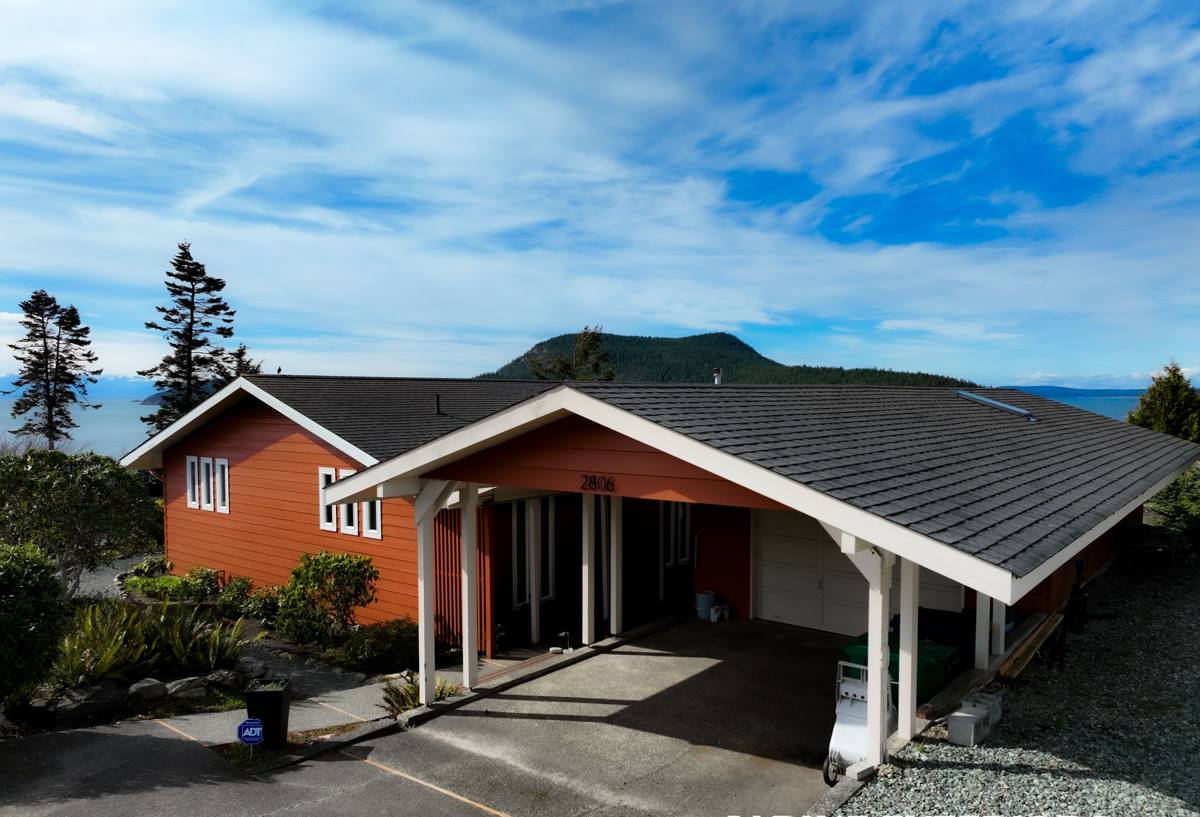
What Salt Air Does to a Home's Exterior
Proximity to Samish Bay means airborne salt is a real factor for exterior materials in Blanchard, even for homes set back from the water. Salt accelerates corrosion in exposed metal fasteners, flashing, and hardware, and it can degrade certain paints and coatings faster than manufacturers' standard ratings assume.
Where it shows up first
- Rusting or streaking around nail heads and metal trim on older siding systems
- Corroded hinges, hardware, and fasteners on window frames and deck railings
- Premature fading or chalking on paint and coatings not rated for coastal exposure
- Pitting on unprotected metal flashing at roof valleys and penetrations
The practical answer is using corrosion-resistant fasteners and flashing, and choosing cladding and finish systems designed to hold up under repeated wet-dry salt cycling — not just standard-grade materials that happen to be cheaper.
Driving Rain and Moisture Management
Winter storms moving through this part of Whatcom and Skagit County bring rain that doesn't just fall straight down — it drives sideways against west- and southwest-facing walls, rooflines, and window assemblies. That kind of wind-driven rain finds every gap in a building envelope that a calmer climate would never expose.
This is why water-resistive barriers, properly lapped flashing, and correctly sealed window and door penetrations matter more here than in drier regions. A siding or window installation that looks fine on a dry day can still be letting water behind the cladding if the flashing details weren't done right. We pay close attention to these details because they're the difference between a home that stays dry for decades and one with hidden rot five years in.
Common moisture entry points we check
| Area | Typical Issue | What We Look For |
|---|---|---|
| Window and door trim | Poor flashing laps allow water behind siding | Correct shingle-lap sequencing, sealed head flashing |
| Roof valleys and penetrations | Corroded or under-sized flashing | Properly sized, corrosion-resistant metal |
| Deck ledger connections | Trapped moisture against the house band board | Ledger flashing and proper standoff/drainage |
| Siding butt joints | Gaps that wick water into the substrate | Correctly caulked, back-primed joints |
Living With a Long Moss Season
Between the tree cover common to lots in and around Blanchard and the sheer amount of moisture the region holds through fall, winter, and spring, moss and algae growth on roofs and north-facing siding is a fact of life, not a sign of neglect. Left unmanaged, moss holds moisture against roofing material and siding surfaces far longer than open air would, which shortens the useful life of both.
Roof design, gutter placement, and siding material choice all affect how much of a moss problem a given home will have. Trapped debris in valleys, shaded north walls, and gutters that overflow onto siding all make it worse. Part of our job on any exterior project here is thinking through drainage and airflow, not just installing a product and leaving.
Siding: Why We Only Install James Hardie
Chuckanut Exterior Company installs James Hardie fiber cement siding exclusively. We don't install vinyl, LP SmartSide, Cemplank, Allura, or primed wood products like spruce or cedar lap. That's a deliberate standard, not a sales pitch, and it's worth explaining honestly given what this climate does to exterior cladding.
The trade-offs with common alternatives
- Vinyl siding is affordable and low-maintenance in mild climates, but it can become brittle in cold snaps, expand and contract more than fiber cement across temperature swings, and it's a combustible material — a real consideration as wildfire smoke and ember exposure become more common regional concerns even outside fire-prone zones.
- Wood products (cedar, primed spruce) look great initially but require an ongoing maintenance commitment — repainting, caulking, and moisture monitoring — that's tough to keep up with in a climate this wet, and they're more vulnerable to rot and insect damage if that maintenance slips.
- Other fiber cement brands (LP SmartSide is actually engineered wood, not fiber cement; Cemplank and Allura are fiber cement) can be reasonable products, but we've standardized on one system so our crews install one product to one spec, with one warranty structure, rather than juggling multiple manufacturers' installation requirements and moisture behaviors.
James Hardie fiber cement is non-combustible, holds its factory-applied ColorPlus finish far longer than field-applied paint typically lasts, and Hardie's HZ5 product line is engineered for the kind of wet, marine-influenced climate Blanchard sits in. It doesn't rot, it resists moss and mildew better than wood, and it carries a strong transferable warranty when installed to Hardie's specifications — which is the other half of the equation. Fiber cement installed wrong performs no better than any other product installed wrong.
Roofing in a Wet, Wind-Exposed Area
Roofing in Blanchard has to handle sustained wet exposure, wind off the bay, and the moss and debris load that comes with tree cover. We look at underlayment quality, flashing at valleys and penetrations, and ventilation — a roof that can't breathe traps moisture in the attic space, which compounds problems from the outside in.
Regular gutter and valley maintenance matters more here than in drier climates, since standing debris and moss retain water against roofing material and accelerate wear.
Windows: Sealing Out Wind-Driven Rain
Window failures in this climate are rarely about the glass — they're about the flashing and sealant details around the frame. A window unit can be well-built and still leak if it wasn't integrated correctly into the wall's water-resistive barrier. We install windows with attention to correct flashing sequencing so wind-driven rain sheds outward rather than working its way behind the trim.
Energy performance is a secondary but real benefit — well-sealed windows reduce drafts and heat loss during the long, damp winters typical of this region.
Decks: Built to Handle Standing Water and Salt Exposure
Outdoor living spaces in Blanchard take a beating from the same conditions as the rest of the exterior: near-constant moisture, salt air, and moss buildup on shaded or north-facing surfaces. Ledger board connections, joist protection, and proper drainage slope are where deck problems usually start, since trapped water against the house or framing leads to rot long before the decking surface itself looks bad.
We build and repair decks with corrosion-resistant hardware and attention to drainage, so the structure underneath lasts as long as the surface materials on top.
A homeowner's basic seasonal exterior checklist
- Clear gutters and downspouts before fall storms hit, and again mid-winter
- Check for moss buildup on north-facing roof slopes and siding each fall
- Inspect caulking around windows and doors annually for cracking or gaps
- Look at deck ledger boards and fasteners for rust or staining
- Walk the exterior after major windstorms for loose flashing or siding
Why a Local Crew Makes a Real Difference
Exterior work in Blanchard isn't the same job as exterior work on the dry side of the state, or even in a less exposed part of Western Washington. A crew that works this specific corridor — from Chuckanut down through the Samish Bay area — knows which details actually matter here: how far salt air travel affects material choice, which wall orientations take the worst of the driving rain, and where moss problems tend to concentrate. That local pattern recognition shows up in fewer callbacks and exterior work that actually holds up through the wet season it was built for.
If you're thinking about siding, roofing, windows, or a deck project on a Blanchard home, we're happy to take a look and talk through what your specific property is facing. Reach out for a free, no-pressure estimate — the form below makes it easy to get started.