 Chuckanut Exterior
 Windows Built for the Blanchard Stretch of Chuckanut
Homes along the Blanchard area near Chuckanut sit in one of the more demanding window environments in Whatcom County. You've got salt-laden air coming off the water, driving rain that comes in sideways during winter storms, and a moss season that seems to stretch longer every year. None of that is dramatic on its own, but together they wear on windows faster than most homeowners expect. A window that would last two decades in a drier inland town can start showing seal failure, frame rot, or corroded hardware well ahead of schedule out here if it wasn't installed with this specific climate in mind.
This page is about one job: installing windows correctly for Blanchard homes. Not a general overview of window types, but what actually matters when the house you're working on faces salt air, sustained rain, and moss growth for a good chunk of the year.
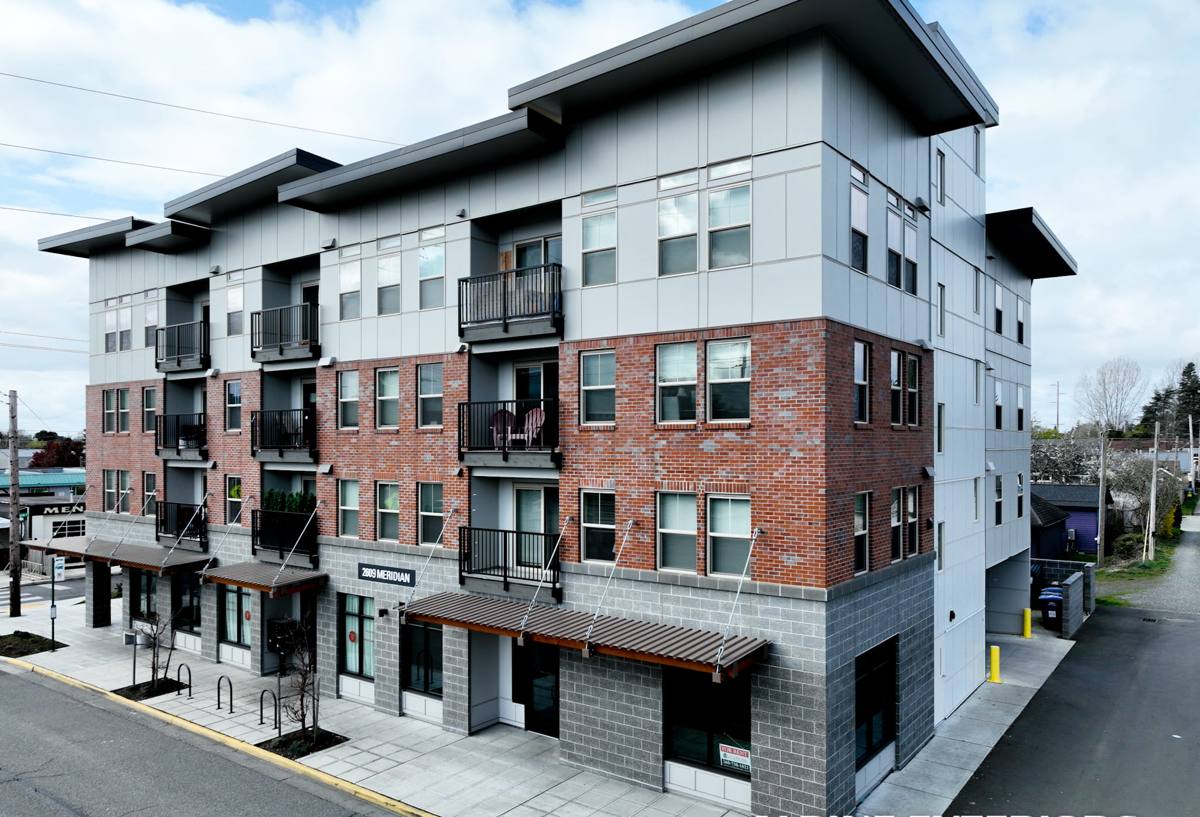
What This Climate Actually Does to a Window
Salt Air and Metal Components
Salt air doesn't rot wood the way moisture does, but it accelerates corrosion on anything metal — hinges, cranks, screws, and lesser-grade aluminum framing components. Over time this shows up as stiff or sticking hardware, pitting on fasteners, and in some cases visible white corrosion on aluminum trim. It's a slow process, which is exactly why it gets ignored until a window won't latch properly anymore.
Driving Rain and Water Intrusion
Rain that falls straight down is forgiving. Rain that's being pushed sideways by wind off the water is not — it finds any gap in flashing, sealant, or trim and works its way behind the siding. This is less about the window unit itself and more about how it was installed. A high-end window with a poor flashing job will leak. A mid-range window installed correctly with proper weather barrier integration usually won't.
Moss and Prolonged Moisture Exposure
A long moss season means extended periods where wood trim, sills, and surrounding siding stay damp longer than they would in a drier climate. Moss itself doesn't damage a window, but it holds moisture against surfaces, which accelerates rot in untreated wood trim and can trap water against seals that were never meant to stay wet for days at a time.
Signs a Blanchard Home Needs Window Attention
- Fogging or a permanent haze between the glass panes — the seal has failed and the insulating gas is gone
- Drafts you can feel near the frame even when the window is fully latched
- Soft or discolored wood trim around the window, especially at the bottom sill
- Hardware that's stiff, corroded, or won't latch tight anymore
- Visible gaps between the window frame and the siding or trim
- A noticeable jump in heating costs without any other explanation
- Moss or dark staining building up on the sill or lower trim faster than the rest of the house
What a Correct Installation Actually Involves
The window unit itself is maybe half the job. The other half — the part that determines whether you get 25 problem-free years or a leak in three — is the installation detail work.
Removal Without Damage
Old windows need to come out cleanly, without tearing up surrounding sheathing or siding more than necessary. Rushed removal is one of the most common ways a straightforward job turns into an expensive repair.
Inspecting What's Behind the Old Window
Once the old unit is out, we check the rough opening, sill, and sheathing for hidden rot or water staining. In a climate like this, it's not unusual to find some degree of moisture damage behind a window that looked fine from the outside. This gets addressed before the new window ever goes in — installing a new window over a compromised opening just hides the problem for a few more years.
Flashing and Weather Barrier Integration
This is the step that matters most for driving rain. Flashing tape and pan flashing need to be layered correctly — sill first, sides, then head flashing — so that any water that does get behind the exterior cladding drains out and away from the structure instead of pooling at the sill. This has to integrate properly with the house's existing weather-resistive barrier, not just sit on top of it.
Sealing and Insulation
The gap between the window frame and the rough opening gets insulated and sealed on both the interior and exterior sides — not just caulked around the outside trim and called done. Exterior sealants used here should be rated for the temperature swings and UV exposure this area sees.
Final Check and Adjustment
Every window gets tested for smooth operation, tight latching, and square, level fit before we consider the job finished. A window that's slightly out of square will wear unevenly and can fail at the seals years before it should.
Choosing Frame Materials for This Climate
There's no single "best" window material — it depends on budget, maintenance appetite, and how exposed the home is to wind-driven rain and salt air. Here's how the common options actually compare for a Blanchard-area home:
| Frame Material | Salt Air / Moisture Performance | Maintenance | Relative Cost |
|---|---|---|---|
| Vinyl | Won't corrode or rot; performs well in salt air | Low — occasional cleaning | Lower |
| Fiberglass | Excellent — very stable, resists moisture and temperature swings | Low | Higher |
| Wood-clad (exterior-clad, wood interior) | Good if cladding and flashing are done right; exposed wood trim needs upkeep | Moderate to high | Higher |
| Aluminum | Prone to corrosion and condensation in salt air unless it's a high-grade, well-finished product | Moderate | Varies |
For most homes in this area, we lean toward vinyl or fiberglass for straightforward, low-maintenance performance against salt air and rain. Wood-clad windows can still be the right call for homes where the look matters most, but we're upfront that they ask more of the homeowner over time — trim needs to be inspected and maintained, especially in a climate with this much sustained moisture. We don't push a product based on markup; we tell you what each option actually asks of you five and ten years down the road.
Our Process, Start to Finish
- On-site assessment. We look at existing windows, check for hidden moisture damage, and talk through what you actually need — not just the biggest package available.
- Straightforward quote. You get a clear breakdown of materials and labor, no vague line items.
- Scheduling around the weather. Window installation is weather-dependent work. We plan around forecasted rain windows rather than rushing a job during a storm.
- Careful removal and opening inspection. As covered above, this step protects you from surprises down the line.
- Proper flashing, insulation, and sealing. Done in the sequence that actually sheds water, not just looks finished.
- Final testing and walkthrough. We test every window and walk the job with you before we call it done.
- Cleanup. Old windows, packaging, and debris hauled off — you're not left with the mess.
Why a Crew That Already Works This Area Matters
Window installation isn't a one-size-fits-all trade. A crew that mostly works drier, inland areas may not think twice about flashing sequencing or sealant selection because it's rarely tested by the conditions. Out here near Chuckanut, those details are the difference between a window that performs for decades and one that needs attention in year four. We work this stretch of Whatcom County regularly, which means we're not guessing about how salt air, wind-driven rain, and a long moss season affect window performance — we're accounting for it in every install.
What to Ask Before Hiring Anyone for Window Work
- Do you inspect the rough opening for hidden moisture damage before installing, or just swap the unit?
- What's your flashing sequence, and does it tie into the existing weather barrier?
- Are you licensed and insured for exterior work in Washington?
- What warranty covers the installation itself, separate from the manufacturer's product warranty?
- Can you explain, in plain terms, why you'd recommend one frame material over another for my home specifically?
If a contractor can't answer the flashing and moisture-inspection questions clearly, that's worth noting — those details matter more than the brand name on the window.
Ready When You Are
If you're noticing drafts, fogged glass, sticking hardware, or just want a straight answer on whether your current windows are holding up the way they should, we're happy to take a look. Fill out the form below for a free, no-pressure estimate — we'll walk your home, tell you what we actually see, and give you honest options with no obligation to move forward.