 Chuckanut Exterior
 Roof Repair Built for Blanchard's Coastal Conditions
Blanchard sits close enough to the water and the lower slopes of Chuckanut Mountain that roofs here take a different kind of beating than roofs twenty miles inland. Salt-laden air moves in off the water, driving rain comes in sideways during winter storms, and the shaded, tree-covered lots that make this area beautiful also keep roof surfaces damp for days after a storm passes. That combination shortens the life of fasteners, flashing, and roofing materials that would hold up fine in a drier climate. When we do roof repair work in Blanchard, we're not just patching what's broken today — we're accounting for what the next wet season is going to do to whatever we leave behind.
This page covers roof repair specifically, not full replacement. Most roofs don't need to be torn off; they need targeted work done correctly, with materials and techniques suited to a marine climate. That distinction matters, and it's where a lot of repair jobs go wrong.
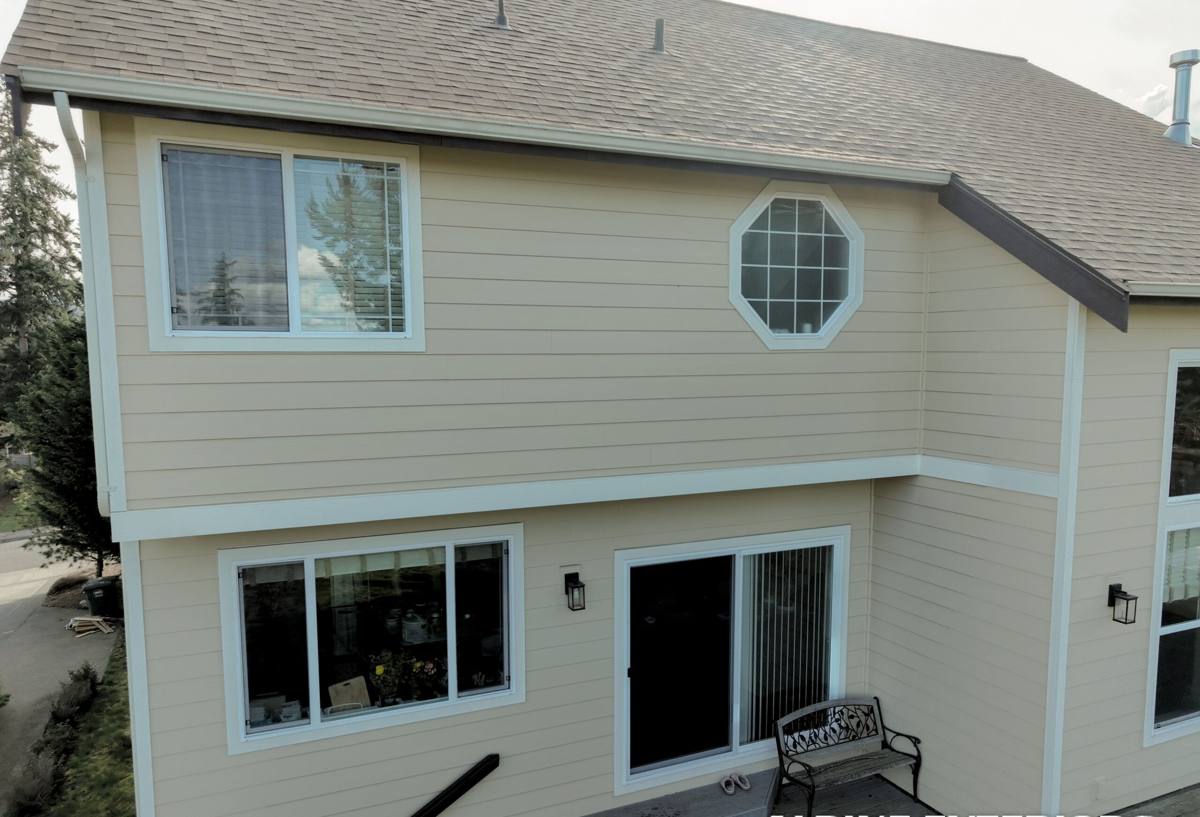
What Blanchard's Climate Actually Does to a Roof
Salt Air and Metal Fatigue
Proximity to Puget Sound means airborne salt settles on roofing metal — flashing, valleys, vents, nail heads, and gutter hardware. Over years, that accelerates corrosion in anything that isn't rated for coastal exposure. Standard galvanized fasteners and thin flashing stock can start showing rust streaks well before a roof's shingles are due for replacement. When we repair a roof section, we look hard at the metal components, not just the shingles, because a failed piece of flashing is one of the most common reasons a "small leak" turns into rotted decking.
Driving Rain and Wind-Driven Water
Whatcom County storms don't always drop rain straight down. Wind off the water pushes it sideways and under things — up under shingle tabs, behind step flashing, and into any gap that would stay dry in a calmer climate. Roofing details that pass in a low-wind, low-rain region simply aren't sufficient here. Proper repair work has to assume water will be pushed uphill against gravity at some point during the year, and be sealed and lapped accordingly.
Moss, Shade, and Moisture Retention
Blanchard's tree cover is part of what makes the area appealing, but it also means many roofs stay shaded and damp longer than roofs in open, sun-exposed neighborhoods. That extended dampness is exactly what moss needs to get established. Moss isn't just cosmetic — its root structures work into shingle granules and seams, and as it spreads it holds water against the roof surface far longer than bare shingle would. That constant moisture is a major driver of premature shingle failure, rotted sheathing, and interior leaks in this area.
Common Roof Repair Issues We See in Blanchard
- Moss colonies on north-facing and shaded slopes, with granule loss underneath
- Corroded or lifted flashing around chimneys, skylights, and roof valleys
- Wind-lifted or cracked shingle tabs along exposed roof edges and ridges
- Soft or discolored decking discovered after long-term moss or debris buildup
- Clogged gutters and downspouts backing water up under the roof edge
- Nail pops and sealant failure around vent boots and penetrations
- Interior ceiling stains that trace back to a small, long-standing flashing leak
Individually, most of these are manageable repairs. Left alone through another wet season, several of them turn into decking replacement or interior drywall and insulation damage — which is a much bigger and more expensive job than the roof repair that would have prevented it.
What a Correct Roof Repair Actually Involves
A roof repair done right isn't just "find the leak, cover the leak." It's a sequence, and skipping steps is how repairs fail within a year or two.
1. Find the Real Source, Not Just the Symptom
Water travels. A stain on a bedroom ceiling might trace back to a flashing gap three feet away, or it might come from a roof valley on the opposite side of the house running along the underside of the sheathing before dripping down. We trace leaks to their actual origin before doing any repair — patching the visible spot without finding the source is one of the most common reasons homeowners end up paying for the "same" leak twice.
2. Assess the Decking, Not Just the Surface
Once a section is opened up, we check the condition of the roof decking underneath. Chronic moisture from moss or a slow flashing leak can soften plywood or sheathing boards well before it shows up as a sag or soft spot from inside the attic. Repairing over compromised decking doesn't hold — it just delays the next repair call.
3. Match Materials and Techniques to Coastal Exposure
Where we're replacing flashing, we use materials suited to salt-air exposure rather than the cheapest standard stock. Where shingles need replacement, we match them as closely as possible to existing product and manufacturer specs so warranty coverage isn't jeopardized. Sealants and underlayment details are chosen with the assumption that wind-driven rain will test every seam, because in Blanchard, it will.
4. Address the Moss Problem, Not Just the Moss
Removing moss without addressing why it grew back there — shade, debris buildup, poor drainage — just means it returns in a season or two. Where practical, we talk through options like improved gutter flow, targeted trimming (referring out where tree work is needed), or zinc/copper strip installation to slow regrowth on chronic problem areas.
5. Verify the Repair Holds Under Real Conditions
A repair isn't finished when the shingles look right. We check that flashing laps correctly with the water flow, that fasteners are seated and sealed, and that the surrounding area — not just the repaired patch — is in good enough condition that the same section won't fail again next winter.
Roof Repair vs. Roof Replacement: How We Decide
| Factor | Favors Repair | Favors Replacement |
|---|---|---|
| Age of roof | Under 15–20 years, one section affected | Near or past expected material lifespan |
| Extent of damage | Localized — one valley, one penetration, one section | Widespread granule loss, multiple leak points |
| Decking condition | Solid, dry sheathing under the damaged area | Soft, delaminated, or rotted decking in multiple spots |
| Moss history | First significant infestation, caught early | Long-term, repeated moss damage across the roof |
| Underlying cause | Isolated flashing or fastener failure | Systemic ventilation or drainage problem affecting the whole roof |
We'll tell you honestly which side of that table your roof falls on. Recommending a full replacement when a repair would genuinely hold isn't good business for us, and recommending patchwork on a roof that's structurally past its service life isn't good for you.
Our Process for Blanchard Roof Repair Jobs
- Inspection and diagnosis — we get on the roof (and in the attic, when accessible) to trace the actual source of the problem, not just the visible symptom.
- Written estimate — a clear explanation of what's damaged, what caused it, and what the repair involves, with cost broken out so there are no surprises.
- Scheduling around weather — repair work needs a dry window to be done correctly; we plan around Whatcom County's forecast rather than rushing a repair into wet conditions.
- The repair itself — decking assessment, flashing and fastener work, shingle or material matching, and sealant details built for wind-driven rain.
- Cleanup and walkthrough — debris and old material hauled off, and we walk you through exactly what was done and why.
Signs You Shouldn't Wait On
- Any active ceiling stain, even if it's small or hasn't grown recently
- Visible daylight through the roof deck from inside the attic
- Shingles that are cracked, curled, or missing after a windstorm
- Moss thick enough that you can't see shingle texture underneath it
- Granules collecting in gutters or at downspout outlets
- Soft spots when walking the attic floor near the roofline
Why Local Experience Matters for This Kind of Repair
Roof repair looks straightforward from the ground, but the details that make a repair last in Blanchard are specific to this stretch of Whatcom County. A crew that mostly works drier, inland areas may default to standard fastener grades, standard flashing laps, and standard moss treatment — approaches that hold up fine elsewhere but underperform here. Working this area regularly means knowing which slopes hold moss longest, which flashing details actually stand up to salt exposure over years rather than months, and how aggressive wind-driven rain can get during a winter storm coming off the water. That local pattern recognition is part of what separates a repair that lasts from one you're calling about again in eighteen months.
Maintenance That Extends the Life of a Repair
Once a repair is done, a few simple habits keep it — and the rest of the roof — in good shape through Chuckanut's wet seasons:
- Clear gutters and downspouts at least twice a year, more often under heavy tree cover
- Have moss growth addressed while it's light, not after it's established
- Trim back overhanging branches that keep roof sections shaded and damp
- Do a visual check after major windstorms for lifted or missing shingles
- Address small leaks promptly rather than waiting for warmer, drier months
If you're dealing with a leak, moss damage, or storm damage on a Blanchard roof, we're happy to take a look and give you an honest read on what it needs. Reach out for a free, no-pressure estimate using the form below.