 Chuckanut Exterior
 Exterior Work Built for York's Coastal Conditions
Homes in York sit in one of the more demanding microclimates in Whatcom County. Between salt-laden air moving in off the water, long stretches of driving rain, and a moss season that can run from fall through spring, exteriors here take a beating that inland neighborhoods simply don't see. We've built our approach to siding, roofing, windows, and decks around exactly these conditions, because a product or installation method that works fine in a dry climate can fail early in a place like York.
This page covers what we see on York homes, how we handle each exterior system, and what to look for when choosing a contractor in a coastal, moss-prone area of Chuckanut.
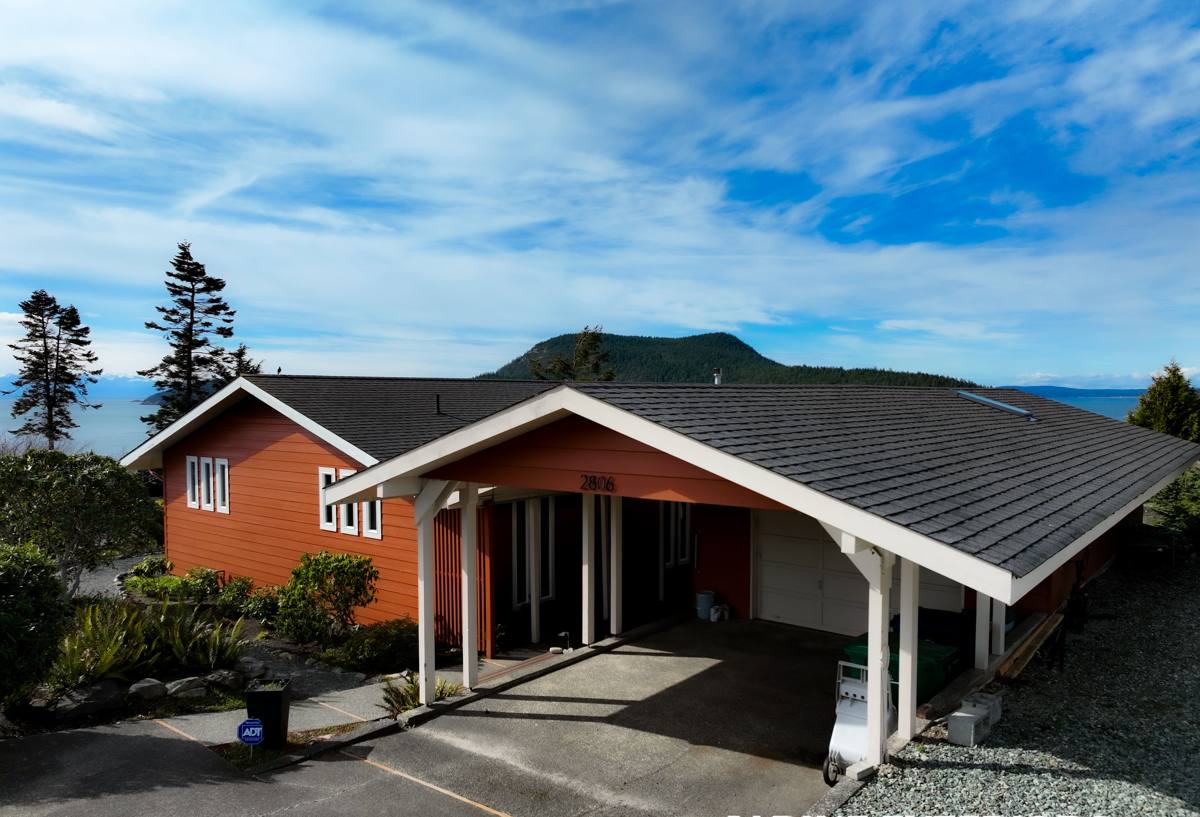
What York's Climate Does to a House
Salt Air and Corrosion
Airborne salt doesn't just affect boats and cars. It accelerates corrosion on fasteners, flashing, and metal roofing components, and it can degrade certain paint and coating systems faster than a manufacturer's inland test data would suggest. Homes closer to open water in York feel this most, but salt-laden air can travel further inland than most homeowners expect, especially during windy weather.
Driving Rain and Wind-Driven Moisture
Whatcom County gets plenty of rain in general, but the wind-driven variety is the harder problem. Rain that comes in at an angle finds its way into laps, seams, and butt joints that would stay dry in a calmer climate. This is why flashing details and water-management planning behind the siding matter as much as the siding material itself.
The Long Moss Season
Shade, moisture, and mild temperatures are a perfect combination for moss and algae growth. On roofs, moss lifts shingles and holds moisture against the roof deck. On siding and decking, it creates slick, discolored surfaces and can trap moisture against wood or wood-composite materials long enough to start rot. In York, moss season isn't a brief autumn nuisance — it's closer to a year-round maintenance item.
Siding: Why We Only Install James Hardie
We install James Hardie fiber cement siding exclusively. We don't install vinyl, LP SmartSide, Cemplank, Allura, primed spruce, or cedar. That's not a marketing position — it's a standard we hold because of what we've seen these products do, and not do, in exactly the conditions York homes face.
How Hardie Performs Here
- Non-combustible: Fiber cement doesn't feed a fire the way wood-based siding can, which matters for insurance considerations as much as safety.
- Dimensionally stable in wet-dry cycling: Hardie doesn't swell and contract the way wood and some wood-composite products do when they absorb and release moisture repeatedly through a wet Whatcom County winter.
- ColorPlus factory finish: The finish is baked on at the factory under controlled conditions, which holds up better against UV and salt exposure than field-applied paint, and it means you're not repainting on a five-year cycle.
- HZ5 climate engineering: Hardie's HZ product lines are engineered for moisture exposure, which fits a coastal, high-rainfall area like York better than a generic siding spec.
- Moss and algae resistance: Fiber cement doesn't offer organic material for moss and algae to feed on the way wood does, which reduces (though doesn't eliminate) buildup compared to wood siding in shaded, damp spots.
The Honest Trade-Offs of the Alternatives
Vinyl is inexpensive and low-maintenance in mild climates, but it can become brittle and crack in cold snaps and doesn't offer the fire resistance or the premium look that fiber cement does. LP SmartSide and similar wood-strand products perform reasonably in drier regions, but their engineered-wood core is more vulnerable to long-term moisture intrusion than fiber cement, which is a real concern given how much rain York sees. Primed spruce and cedar are beautiful materials, but they demand ongoing maintenance — refinishing, caulking, moss treatment — that most homeowners underestimate when they're comparing upfront costs. We'd rather tell you that upfront than sell you a product we know will cost you more in maintenance over a decade.
Roofing for Salt Air and Moss Pressure
Roofing in York needs to account for two things most other regions don't have to worry about together: salt exposure and near-constant moss pressure. We look at underlayment quality, flashing details around valleys and penetrations, and ventilation, since a roof that traps moisture underneath is a roof that grows moss and rots decking regardless of what shingle sits on top. Metal flashing and fastener choices matter more here than in a dry inland climate, since lower-grade metal will show corrosion years before it should.
Moss Management on Roofs
We don't treat moss as a cosmetic issue. Left alone, moss holds water against shingles and decking, which shortens the life of the roof system and can lead to leaks that aren't obvious from inside the house until they're advanced. Zinc or copper strips, proper ventilation, and periodic gentle cleaning are part of a realistic maintenance plan for a York roof — pressure washing shingles is not, since it can strip granules and shorten shingle life.
Windows: Sealing Out Wind-Driven Rain
Window failures in coastal, high-wind-driven-rain areas are almost always installation failures, not product failures. A quality window installed with poor flashing and sealant details will leak; a mid-tier window installed correctly with proper flashing tape, sill pans, and weather barrier integration usually won't. In York specifically, we pay close attention to:
- Sill pan flashing to direct any intruding water back out, not into the wall cavity
- Integration between the window flashing and the water-resistive barrier behind the siding
- Appropriate glazing and frame materials for salt air exposure
- Proper caulking and sealant selection rated for UV and moisture exposure, not just interior-grade product
Replacing windows is also a natural moment to catch and correct any water damage or improper flashing from the original installation, which we check for on every replacement job.
Decks: Built to Handle Rain and Reduce Moss
Decks in York deal with the same driving rain and moss pressure as roofs and siding, plus direct foot traffic and standing water risk. Proper drainage slope, gaps between boards for airflow, and joist protection tape or flashing at ledger connections all matter more here than in a dry climate. Material choice matters too — some composite decking handles moisture well but can still develop slick moss growth in shaded areas, so board orientation and sun exposure are worth discussing at the design stage, not after the deck is built.
What a Local Crew Actually Adds
Anyone can install siding, a roof, windows, or a deck to a generic national spec. The difference in a place like York shows up in the details that a crew only learns by working this specific stretch of Chuckanut and Whatcom County repeatedly: which flashing details actually keep wind-driven rain out, how much roof ventilation a shaded, moss-prone lot really needs, and where salt exposure is worse than it looks on paper. A crew that works this area regularly isn't guessing at these answers — they've already made the adjustments on other York homes.
Questions Worth Asking Any Exterior Contractor in York
- Do you have experience with homes specifically in this coastal, moss-prone area, or mostly inland projects?
- What flashing and water-management details do you use differently here versus a drier climate?
- What's your plan for moss and algae exposure on this specific roof, siding, or deck?
- What warranty applies to both materials and labor, and is it transferable if the home sells?
- Can you walk me through how you handle wind-driven rain at window and door openings?
Cost Factors to Expect
Exact pricing depends on the size of the home, current condition, and scope of work, but the factors below tend to move cost up or down on York projects specifically.
| Factor | Why It Affects Cost in York |
|---|---|
| Existing moisture or rot damage | Long-term moss and rain exposure can hide damage behind old siding or roofing that adds repair scope once uncovered |
| Flashing and detail work | Proper wind-driven-rain protection takes more labor time than a basic inland installation |
| Material grade (siding, roofing, decking) | Climate-engineered products cost more upfront but reduce maintenance and replacement cycles |
| Access and site conditions | Shaded, sloped, or heavily treed York lots can add setup and safety requirements |
| Scope bundling | Combining siding, roofing, window, or deck work in one project often reduces per-project overhead costs |
Maintenance That Actually Extends Exterior Life in York
Even the right materials installed correctly benefit from basic seasonal upkeep in this climate. A realistic maintenance rhythm for a York home includes checking gutters before the heavy rain season, inspecting roof valleys and low-slope areas for moss buildup at least once a year, keeping vegetation trimmed back from siding and decking to reduce shade and moisture retention, and re-caulking around windows and trim if gaps appear. None of this replaces quality installation, but it does prevent small issues from becoming expensive ones in a climate that doesn't give a house much of a break.
If you're weighing siding, roofing, window, or deck work on a York home, we're happy to take a look and give you a straightforward, no-pressure estimate — including an honest read on what your home's specific exposure to salt air, rain, and moss actually calls for.