 Chuckanut Exterior
 Cedar Has Earned Its Reputation — Here's the Honest Part
Cedar siding looks good. There's no getting around that. It has a warmth and a natural grain that manufactured products spend a lot of marketing dollars trying to imitate. Homeowners in Chuckanut and up and down Chuckanut Drive have been drawn to it for decades, and on a dry day with good light, a freshly finished cedar home is genuinely handsome. We're not going to pretend otherwise.
But we're an exterior contractor that installs James Hardie fiber cement siding exclusively, and we get asked "why not cedar" often enough that it's worth a straight answer instead of a sales pitch. This page is that answer — what cedar does well, where it struggles specifically in this part of Whatcom County, and why we stopped installing it years ago.
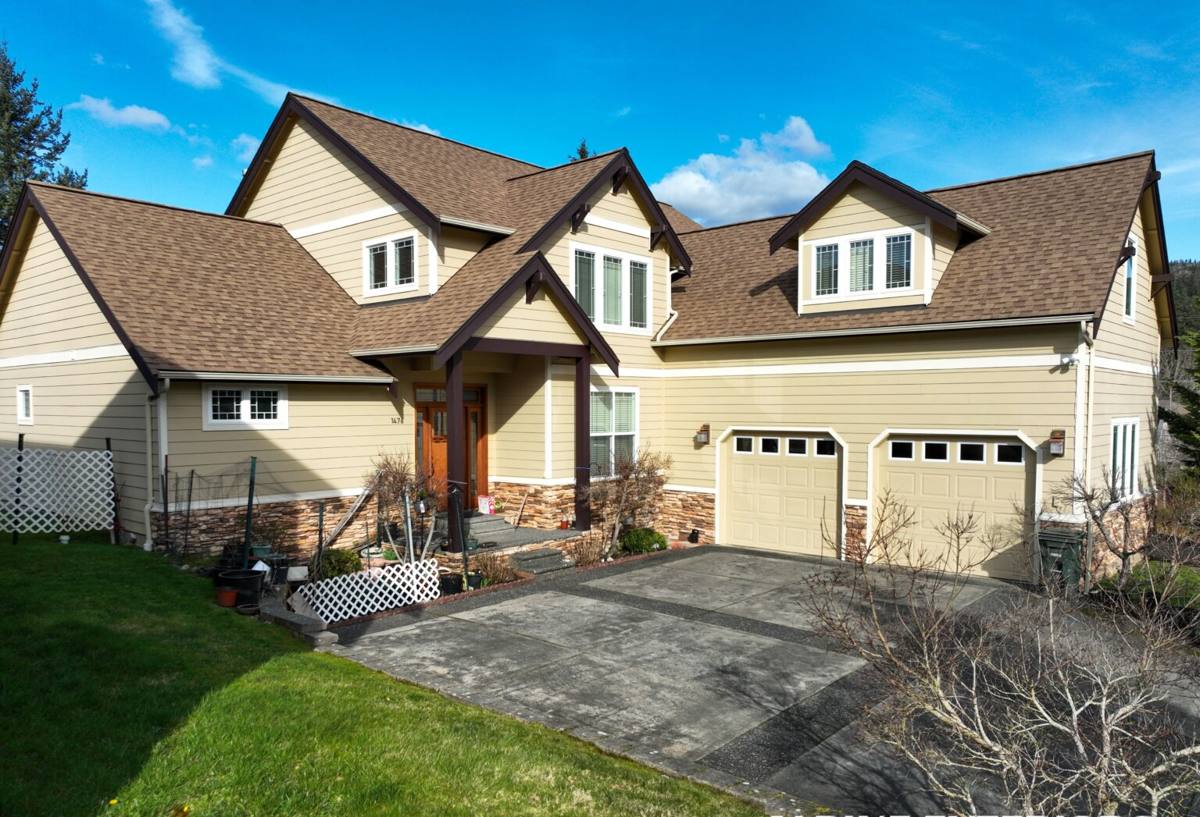
What Cedar Actually Is (and Isn't)
Cedar siding is a real wood product — usually western red cedar milled into bevel lap, channel, or shingle profiles. It's naturally resistant to insects and has some rot resistance built into the wood's own oils and tannins. That's real, and it's the reason cedar has stayed viable as a siding choice long after a lot of other wood species fell out of use.
What cedar isn't is maintenance-free, dimensionally stable, or forgiving of a bad install. It's still wood. It still moves with moisture, still needs a finish to protect it, and still depends heavily on the skill of the person who installed it — gapping, flashing, back-priming, fastener choice, all of it matters more with cedar than with most other siding types.
The Marketing Gap
A lot of what sells cedar is the showroom sample or the photo of a home in its first year. Nobody markets a 12-year-old cedar wall that hasn't been recoated. That's the gap between the pitch and the ownership experience, and it's the part we think homeowners deserve to hear before they commit.
Why Our Regional Climate Is Hard on Cedar Specifically
Chuckanut sits right where Bellingham Bay meets the forested slopes above Chuckanut Drive, and that combination is genuinely tough on wood siding in three distinct ways.
Salt Air
Proximity to the bay means a steady low-level exposure to salt-laden air, especially on west and south-facing walls that catch the marine wind. Salt accelerates the breakdown of wood finishes and draws moisture into the wood grain even when the surface looks dry. Over time it pulls the finish apart faster than the same cedar would weather twenty miles inland.
Driving Rain
This stretch of Whatcom County doesn't just get a lot of rain — it gets a lot of wind-driven rain off the water, which pushes moisture sideways into laps, joints, and butt seams that a straight-down rain would never reach. Cedar siding depends on those laps shedding water cleanly; driving rain finds every place that detail is slightly off.
Moss Season
The long wet season here means a long moss and algae season on any north-facing or shaded wall. Moss holds moisture directly against the wood surface for months at a stretch, which is exactly the condition that promotes rot underneath an intact-looking finish. On cedar, moss isn't just an appearance issue — it's a maintenance issue that requires actual removal and re-treatment, not just a wash.
The Real Maintenance Burden Homeowners Take On
This is the part that doesn't show up in the sales conversation. Cedar's finish — whether stain or paint — is a wear item, not a one-time decision. It needs to be reapplied on a cycle, and that cycle is shorter here than in a drier climate because of the salt air and rain load described above.
| Maintenance Task | Typical Cycle | Why It's Needed |
|---|---|---|
| Refinishing (stain or paint) | Every 3-6 years | UV and moisture break the finish down; bare wood underneath is unprotected |
| Caulk and joint inspection | Annually | Wood movement opens gaps that let driving rain behind the siding |
| Moss and algae removal | 1-2x per year on shaded walls | Trapped moisture under moss promotes rot even with an intact finish |
| Spot repair of rot/checking | As found, ongoing | Board replacement gets harder to color-match as the finish ages |
None of this is unusual for wood siding anywhere — it's just that the cycle runs faster near the bay than it would somewhere drier and more sheltered. Homeowners who go into cedar expecting a "paint it once and forget it" product are the ones who end up frustrated five years in.
Where Installation Quality Makes or Breaks Cedar
Cedar is far less forgiving of installation shortcuts than a lot of homeowners realize. A few details that matter more with cedar than with almost any other siding:
- Back-priming every board on all six sides before install, not just the face — skipping this lets moisture into the unprotected back of the board
- Proper gapping at butt joints to allow for wood movement across seasons
- Correct fastener type and depth — over-driven or the wrong nail can split cedar or cause premature staining around the fastener head
- Flashing details at every window, door, and penetration, since cedar has no inherent water-resistive barrier of its own
- Adequate rain-screen or drainage gap behind the siding, especially on walls that take direct weather
Get any of these wrong and the failure doesn't show up right away — it shows up in year four or five as rot at a butt joint or staining around a fastener, by which point it's a repair job, not a punch-list item.
Cost Over Time, Not Just Cost to Install
Cedar's material and installation cost is often close to fiber cement's up front, sometimes less depending on the profile and grade. Where the comparison changes is over a 20-30 year ownership window, once you factor in the recoating cycle, the labor to prep and repaint a full house every few years, and the eventual board replacement that most cedar homes need somewhere along the way.
Fiber cement's ColorPlus factory finish is baked on and warrantied to resist fading and chipping far longer than a field-applied stain or paint job can hold up, which is the main reason the lifetime cost comparison tends to favor it even when the day-one number looks similar.
Why We Standardized on James Hardie Instead
We made a decision years ago to only install James Hardie fiber cement siding, and cedar's climate sensitivity here is a big part of why. Hardie's HZ5 product line is engineered specifically for climates like ours — freeze-thaw cycling, sustained moisture, and coastal exposure — and it doesn't carry an organic food source for the moss and algae that thrive in our wet season the way wood does.
It's non-combustible, which matters more each year as wildfire smoke and ember exposure become a bigger part of Pacific Northwest summers, and it comes with a factory-applied ColorPlus finish backed by a real transferable warranty rather than a maintenance schedule the homeowner has to manage themselves. When installed to spec, it holds its look and its performance far longer than wood siding does in this exact combination of salt air, rain, and shade.
When Cedar Can Still Be the Right Call
We'll say this plainly: if a homeowner wants the specific look of real wood grain and is genuinely willing to stay on top of the maintenance cycle — refinishing on schedule, dealing with moss promptly, budgeting for eventual board replacement — cedar isn't an unreasonable choice on a home with good roof overhangs and less direct weather exposure. It's a legitimate product with a real history. We just don't install it, because our business is built around putting siding on homes that we're confident will still look right in twenty years with ordinary upkeep, not a demanding one.
What to Ask Before You Commit to Any Siding Product
Whatever material a homeowner in Chuckanut is considering, these are the questions worth getting straight answers to before signing anything:
- What's the realistic maintenance schedule for this product in a marine, high-rain climate — not the manufacturer's best-case number?
- Is the finish factory-applied or field-applied, and what's actually warrantied?
- How does this product perform against moss and sustained shade, not just against rain?
- What installation details (flashing, gapping, drainage plane) does this product depend on to perform as advertised?
- What does year 10 and year 20 look like for this siding, not just year one?
If you're weighing cedar against fiber cement, or just want a straight look at what your current siding is costing you in upkeep, we're happy to walk the exterior with you and give you an honest read — no pressure, no obligation. A free estimate is a good place to start that conversation.