 Chuckanut Exterior
 Exterior Work Built for Happy Valley's Climate
Happy Valley sits close enough to the water and the tree cover of the Chuckanut area that its homes take a different kind of beating than houses further inland in Whatcom County. It's not one big dramatic event that wears an exterior down out here — it's the steady combination of salt-laden air drifting off the water, driving rain that comes in sideways during winter storms, and a moss season that can stretch from fall through spring under all that Pacific Northwest cloud cover and tree shade. None of that is exotic or surprising to anyone who's lived here a while, but it does mean an exterior contractor who understands the specific pattern of wear in this neighborhood is worth more than one who treats every job the same.
We're a Chuckanut-based exteriors company working in siding, roofing, windows, and decks. We don't cover the whole state and we don't try to. Working a smaller, consistent territory means we've seen how homes in Happy Valley actually age — where the moss takes hold first, which elevations catch the worst of the wind-driven rain, and which materials hold up versus which ones start showing problems inside five to ten years.
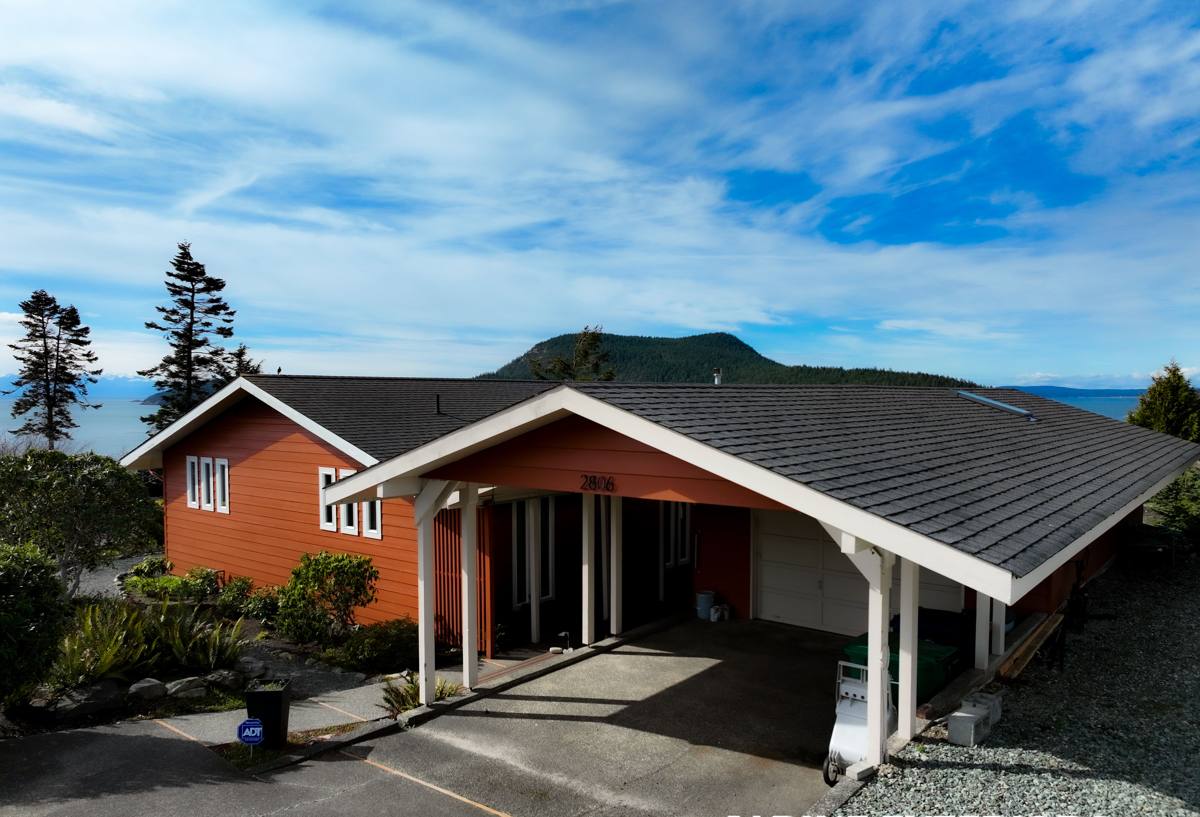
What Happy Valley Homes Are Up Against
Salt Air and Corrosion
Proximity to saltwater means airborne salt settles on exterior surfaces, metal fasteners, flashing, and trim. Over time it accelerates corrosion on lower-grade metal components and can degrade paint and finish coatings faster than the same products would wear in a purely inland setting. This matters most at the details — nail heads, flashing seams, gutter hardware, and any exposed metal trim — because that's where corrosion starts and where a lot of hidden water damage originates.
Driving Rain
Whatcom County gets its share of straight-down rain, but it's the wind-driven, sideways rain events that do the real damage to a building envelope. Driving rain finds every gap in flashing, every under-caulked seam, and every spot where siding or trim wasn't installed with proper water-shedding overlap. A wall assembly that would be fine in a calmer climate can fail here simply because it was never built to handle wind-pressured water intrusion.
Moss and Shade
Between the tree cover common in and around Happy Valley and the long stretches of damp, low-light weather, moss and algae growth is close to unavoidable without some intervention. Moss on a roof isn't just cosmetic — it holds moisture against roofing material, works its way under shingle edges, and can shorten the usable life of a roof significantly if left unchecked. On siding and decking, moss and algae growth traps moisture against the surface and accelerates rot in anything that isn't genuinely moisture-resistant.
Siding: Why We Only Install James Hardie
We install James Hardie fiber cement siding exclusively. We don't install vinyl, LP SmartSide, Cemplank, Allura, or primed wood species like spruce or cedar, and in a climate like this one, that's not a marketing preference — it's a decision built around what actually holds up to salt air, driving rain, and a long moss season.
Vinyl siding is affordable and low-maintenance in mild conditions, but it's a petroleum-based product that can warp, fade, or become brittle under UV and temperature swings, and it relies heavily on caulking and overlap for weather resistance rather than the material itself resisting moisture. Engineered wood products like LP SmartSide use wood strand cores that, however well-treated, remain wood-based — meaning moisture intrusion at a cut edge, fastener hole, or failed caulk joint can lead to swelling and deterioration over time, which is a real risk in a rain-heavy, humid environment. Primed wood species need repainting on a real schedule and are the most vulnerable to rot if that maintenance schedule slips even one season, which happens often with real life and real budgets.
James Hardie fiber cement is a cement, sand, and cellulose fiber composite. It doesn't rot, it's non-combustible, and it's engineered specifically for climate zones like ours through Hardie's HZ5 product line, which is formulated for wetter, harsher weather conditions rather than a generic national spec. The ColorPlus factory finish is baked on under controlled conditions rather than field-applied, which means better fade resistance and a longer stretch between repaints than site-painted wood or many vinyl colors that fade unevenly. It also carries a strong transferable warranty, which matters to homeowners who may sell within the warranty period.
None of this means other products are junk — vinyl and engineered wood both have real, defensible uses elsewhere. It means that for the specific combination of salt exposure, wind-driven rain, and moss pressure that Happy Valley homes deal with, we've made a professional call that fiber cement is the material we're willing to put our name on.
Roofing in a Moss-Heavy, Rain-Heavy Climate
Roofing in this area has to be assessed with moss and driving rain both in mind, not just one or the other. That means correct underlayment and flashing detail at every valley, penetration, and roof-to-wall transition, since those are the spots wind-driven rain actually gets in. It also means thinking about moss prevention from the start — proper ventilation, appropriate material choice, and in some cases zinc or copper strips that discourage moss growth over time — rather than treating moss as something to deal with after it's already established.
A roof that looks fine from the ground can still have compromised flashing or moss working under shingle tabs. We look at the whole system, not just surface condition, when we're evaluating a Happy Valley roof.
Windows: Sealing Against Wind-Driven Rain
Window failures in this climate are rarely about the glass itself — they're almost always about the seal and the flashing detail around the window opening. Wind-driven rain will find a poorly flashed window and push water behind the trim, where it can sit against sheathing and framing unnoticed for years. When we replace windows, proper flashing integration with the surrounding wall assembly is as important as the window unit itself, and it's the step that gets rushed on lower-quality installs.
Decks: Standing Up to Moisture and Moss
Decks take a direct hit from this climate — they're horizontal surfaces exposed to standing rain, shaded ground-level moisture, and moss growth on top of everything else. Proper drainage design, ledger board flashing where the deck meets the house, and material choices that resist moisture absorption all matter more here than they would in a drier region. A deck built without those details in mind tends to show soft spots, moss buildup, and ledger rot well before it should.
Comparing Exterior Material Options for This Climate
| Material | Salt Air Resistance | Moisture/Rot Risk | Maintenance | Typical Lifespan Here |
|---|---|---|---|---|
| James Hardie Fiber Cement | Strong (non-combustible, engineered composite) | Very low | Occasional wash; factory finish holds color | Decades, backed by transferable warranty |
| Vinyl Siding | Moderate; can degrade under UV/temp swings | Low material risk, but relies on seams/caulk | Low, but seams need periodic inspection | Variable; shorter in harsh coastal exposure |
| LP SmartSide / Engineered Wood | Moderate | Higher at cut edges and fasteners | Regular caulk/paint upkeep | Shorter without diligent maintenance |
| Primed Wood (Cedar, Spruce) | Weak without upkeep | High if repainting lapses | High; repaint on a strict schedule | Shortest if maintenance slips |
A Seasonal Exterior Checklist for Happy Valley Homeowners
- Check roof valleys and north-facing slopes for moss buildup each fall before the heavy rains set in
- Inspect caulking and trim joints on siding annually, especially on walls facing prevailing wind and rain
- Clear gutters and downspouts before winter storms to prevent water backing up under roofing or siding
- Look for soft spots, discoloration, or moss on deck boards and ledger connections each spring
- Watch for streaking or corrosion around metal flashing, fasteners, and hardware exposed to salt air
- Check window trim and sills for paint failure or soft wood, which often signals water intrusion behind the surface
Why a Local Crew Matters Here
An exterior contractor who only works occasionally in this part of Whatcom County can miss patterns that a local crew sees repeatedly — which elevations of a Happy Valley home take the worst weather, how much moss pressure to expect based on tree cover and exposure, and which installation details actually matter versus which are fine to simplify. We're not driving in from another region to bid a job and move on. We work this area consistently, which means our installation choices, flashing details, and material recommendations are built around what we've actually seen fail and what we've seen hold up.
What to Expect When You Call Us
We start with an honest look at your exterior — siding, roofline, windows, and any deck structures — and tell you plainly what's holding up, what's showing early wear, and what needs attention now versus what can wait. We don't oversell full replacements when a repair or targeted maintenance will do the job. When siding replacement is the right call, we'll walk you through why we install James Hardie and what that means for your specific home, from color options to the HZ5 climate-engineered line built for exactly this kind of weather.
If you're in Happy Valley and dealing with siding, roofing, window, or deck concerns — or just want a straight answer on what your exterior needs — we're happy to take a look. Reach out for a free, no-pressure estimate using the form below.