 Chuckanut Exterior
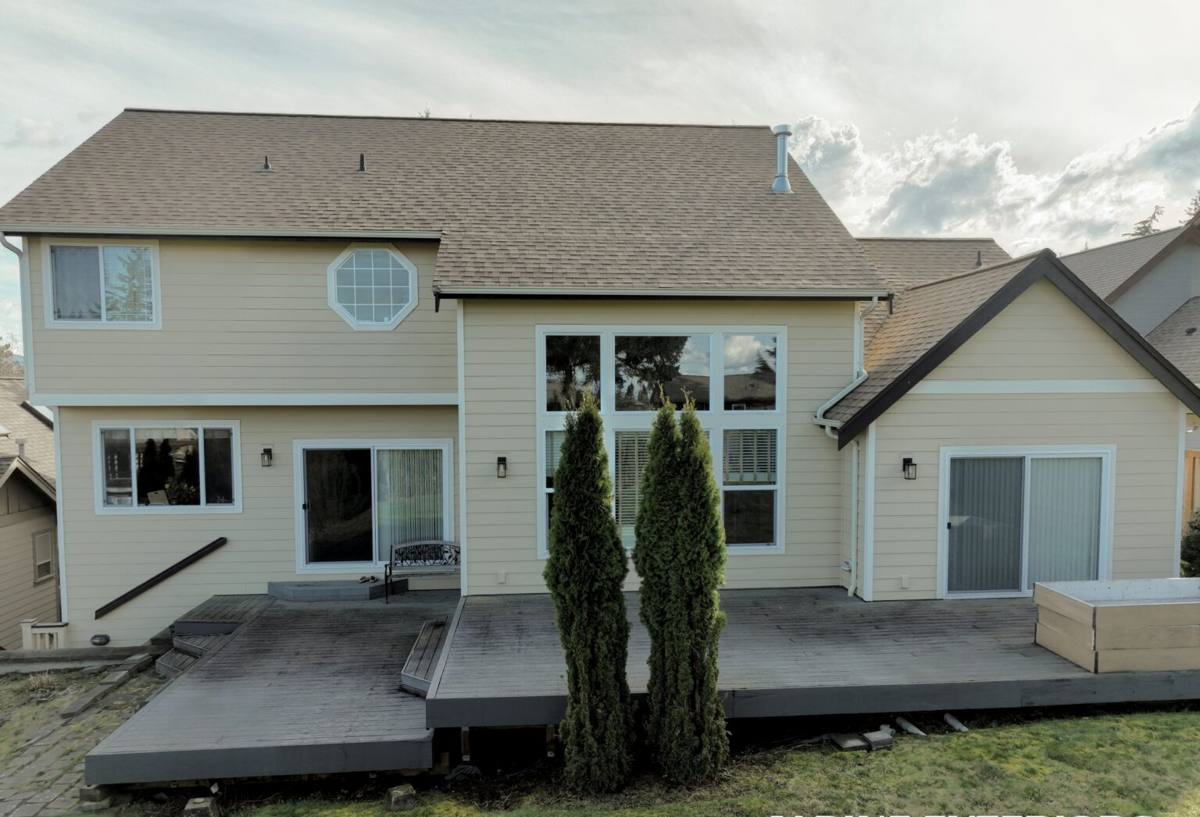
 Deck Replacement Built for Blanchard's Conditions
Blanchard sits close enough to Samish Bay and the water that salt-laden air is just part of daily life, and that air is hard on a deck. It gets into fasteners, finds its way into end grain, and speeds up corrosion on anything that isn't rated for it. Add in Whatcom County's long wet season, with driving rain coming off the water and months where a deck barely gets a chance to dry out between storms, and you have conditions that punish shortcuts. A deck that would hold up fine in a dry inland climate can fail years early out here if it wasn't built with this specific environment in mind.
We work on decks throughout Chuckanut and the surrounding communities, and Blanchard jobs come with their own patterns we've learned to watch for. This page covers what a proper deck replacement looks like for a Blanchard property, not a generic deck page written for anywhere in the country.
What Blanchard's Climate Actually Does to a Deck
Salt Air and Metal Fatigue
Coastal salt air accelerates corrosion on fasteners, joist hangers, and connectors. A deck built with standard interior-grade hardware can start showing rust streaks and weakened connections well before the wood itself is a problem. This is one of the most common issues we find when we're called out to look at an aging Blanchard deck — the framing lumber might still have life left in it, but the hardware holding it together is compromised.
Driving Rain and Water Intrusion
Rain here doesn't just fall straight down — wind off the bay drives it sideways into ledger boards, fascia, and any spot where the deck meets the house. Flashing details that would be adequate in a calmer climate often aren't enough here. Water finds the smallest gap and works it wider over time, especially where the deck attaches to the structure.
Moss, Algae, and a Long Damp Season
Whatcom County's moss season runs long, and a deck surface that stays shaded or doesn't drain well will grow moss and algae for a good stretch of the year. Beyond the slip hazard, moss holds moisture against the decking surface, which speeds up rot in wood products and can dull or degrade some composite surfaces if it's left to sit.
Signs a Blanchard Deck Needs Replacement, Not Just Repair
- Soft or spongy spots in the decking boards, especially near the house or in shaded areas
- Rust staining around fasteners or visible corrosion on joist hangers and brackets
- Gaps or separation where the deck ledger meets the house siding or foundation
- Persistent moss or algae growth that comes back within weeks of cleaning
- Structural bounce or movement when walking across the deck, particularly near the middle
- Posts or footings that show cracking, heaving, or visible rot at ground contact
- A railing that feels loose or wobbles when pushed on
A repair can patch a board or replace a post, but once the framing, ledger connection, or footings are compromised, patchwork stops making sense. At that point you're paying repeatedly to chase the same underlying problem, and a full replacement is usually the more honest recommendation.
What a Correct Deck Replacement Involves Here
Framing and Fasteners Rated for Coastal Exposure
For Blanchard properties we use fasteners and structural connectors rated for coastal or marine-grade exposure rather than standard interior hardware. It costs more upfront than generic hardware, but given how quickly salt air attacks unprotected metal, it's the difference between hardware that lasts the life of the deck and hardware that needs attention in five years.
Ledger Attachment and Flashing
The ledger board — where the deck bolts to the house — is the single most important detail on the whole structure. We flash this connection properly so driving rain can't work its way behind the ledger and into the house framing. This is also the spot most likely to have been under-flashed or poorly sealed on an older deck, which is often the real root cause when a deck starts showing rot near the house.
Footings and Post Bases
Ground contact is where a lot of deck failures start, especially in a climate that stays damp for months at a time. We use post bases that keep wood off the ground and away from standing moisture, and we check footing depth and condition rather than just reusing what's already there if it's questionable.
Decking Surface Choice
Wood and composite decking each behave differently in this climate, and the right choice depends on your maintenance expectations, budget, and how shaded the deck site is.
| Decking Type | Moisture & Moss Behavior | Maintenance | Typical Lifespan Here |
|---|---|---|---|
| Pressure-treated wood | Absorbs moisture; needs sealing to resist moss and rot | Annual cleaning, periodic re-sealing | 10-15 years with upkeep |
| Cedar | Naturally moss-resistant but still needs finish upkeep | Regular cleaning and refinishing | 15-20 years with upkeep |
| Composite decking | Doesn't absorb water like wood; can still grow surface algae in shaded, damp spots | Periodic washing, little else | 25-30 years, varies by product line |
We'll walk through these trade-offs honestly based on your specific site — a heavily shaded Blanchard lot near tree cover has different moss exposure than an open, sun-exposed one, and that should factor into the decision.
Why Framing Choices Matter More Than the Surface Material
Homeowners often focus on the decking boards themselves, but the framing underneath is what determines how long the whole structure actually lasts. A beautiful composite deck surface built on undersized joists, poorly rated hardware, or a badly flashed ledger will still fail from the structure up, regardless of what the top layer is made of. We put as much attention into the framing plan — joist spacing, hardware rating, ledger flashing, footing depth — as we do into the visible surface, because that's the part that actually determines whether the deck is still solid in fifteen years.
Our Deck Replacement Process
1. On-Site Assessment
We look at the existing deck's framing, footings, ledger connection, and any moisture or rot patterns before recommending anything. This tells us whether replacement is really needed and what the new structure needs to account for on your specific property.
2. Demolition and Site Prep
We remove the old structure carefully, checking the ledger area and house framing behind it for any hidden water damage that needs to be addressed before new construction starts — this is a common discovery point on older Blanchard decks near the water.
3. Framing and Structural Work
New framing goes in with coastal-rated hardware, proper joist spacing for your decking choice, and footings sized for the load and soil conditions on your lot.
4. Ledger and Flashing Detail
This connection gets built and flashed correctly the first time, since it's the hardest part to fix later without tearing into the deck again.
5. Decking, Railing, and Finish
We install your chosen decking material and railing system, finishing with attention to drainage and airflow underneath to help reduce future moss buildup.
6. Final Walkthrough
We go over the finished deck with you, including what maintenance it will actually need given your site's sun exposure and shade pattern.
Maintenance That Actually Matters in This Climate
- Rinse or sweep the deck surface periodically during the wet season to keep moss from establishing
- Check fastener heads and visible hardware yearly for early rust signs, especially on wood decks
- Keep gutters and downspouts near the deck clear so runoff isn't dumping extra water onto the structure
- Trim back overhanging branches or vegetation that keeps sections of the deck shaded and damp longer than the rest
- Re-seal wood decking on the schedule appropriate to the product, not just when it visibly looks worn
Why a Crew That Already Works Blanchard Matters
Deck construction standards written for a general climate don't account for what actually happens to fasteners, flashing, and moss-prone surfaces this close to the water. A crew that regularly works Blanchard and the broader Chuckanut area already knows which hardware holds up, which ledger details tend to fail first, and which decking products handle this level of shade and moisture without turning into a maintenance headache. That local pattern recognition is worth more than a generic warranty on paper — it means fewer surprises during construction and a deck that's actually built for where it sits, not for an average climate somewhere else.
If your Blanchard deck is showing its age or you're planning a replacement, we're happy to take a look and give you a straight assessment — no pressure, no upsell. Fill out the form below for a free estimate and we'll walk the property with you.