 Chuckanut Exterior
 Exterior Work Built for Mount Vernon's Climate
Mount Vernon sits in a stretch of the Pacific Northwest where the weather rarely does anything extreme, but it also rarely lets up. Homes here deal with a long wet season, salt-tinged air moving in off the Sound and surrounding waterways, wind-driven rain that finds every gap in a building envelope, and a moss and algae season that can stretch from fall through spring. None of that is dramatic on its own. It's the accumulation, year after year, that separates exteriors that hold up for decades from exteriors that start showing problems in year seven or eight.
Chuckanut Exterior Company works this part of Washington regularly, which means we're not guessing at how a roof, a wall assembly, or a deck ledger behaves under these conditions — we're watching it happen on real houses, season after season.
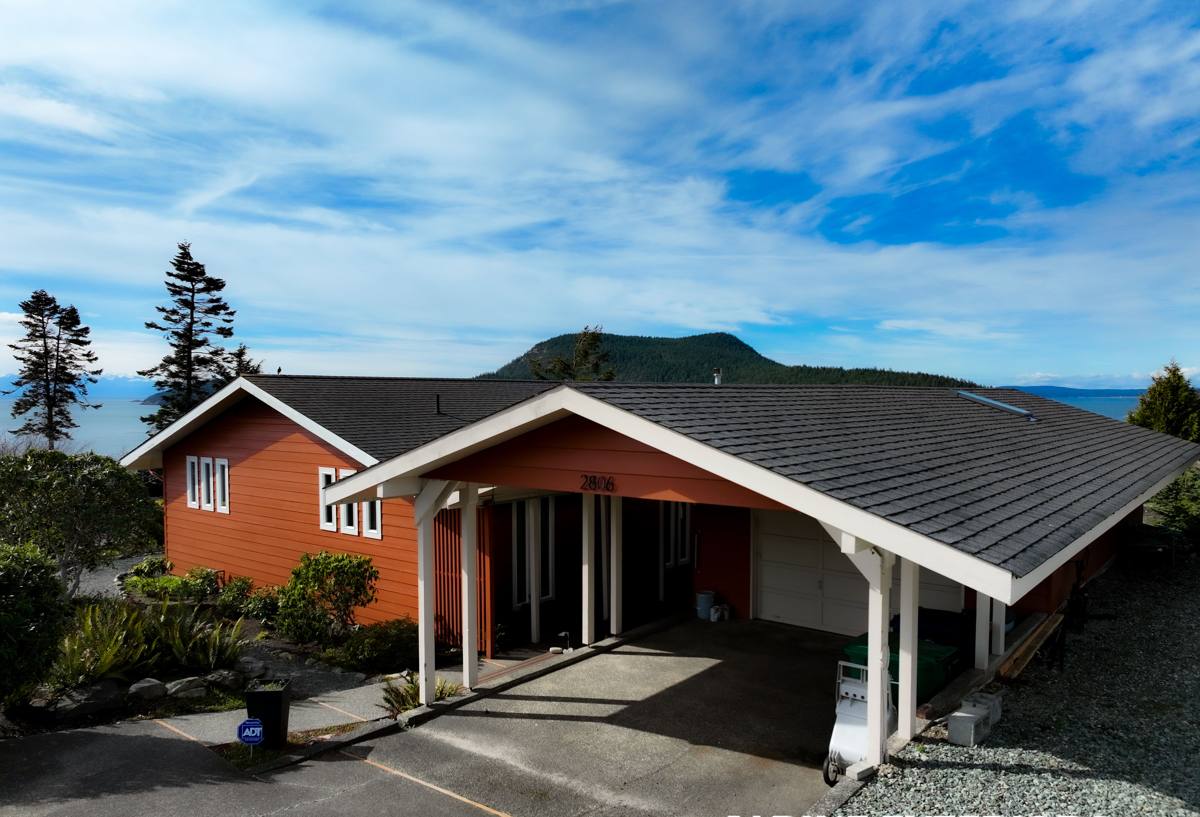
What the Local Climate Actually Does to a House
Moisture Load, Not Just Rainfall Totals
The number that matters isn't just annual rainfall — it's how many days a year a house stays damp. Low clouds, marine humidity, and long stretches without direct sun mean siding, trim, and roofing don't get the drying time they'd get in a drier climate. Materials and assemblies that rely on frequent drying to stay healthy are working at a disadvantage here from day one.
Salt Air and Corrosion
Proximity to Puget Sound and the surrounding waterways puts a mild but persistent salt content in the air in a lot of Mount Vernon neighborhoods. Over time that accelerates corrosion on unprotected fasteners, flashing, and metal roofing components. It's rarely the reason a whole system fails, but it's very often the reason small failures start — a rusted fastener head, a corroded flashing seam — that let water in behind materials that otherwise look fine.
Wind-Driven Rain
Rain that falls straight down is manageable. Rain that gets pushed sideways by wind is what actually tests a building envelope, because it forces water into laps, seams, and penetrations that were only ever designed to shed water moving downward. Window flashing, siding overlaps, and roof-to-wall transitions all take more abuse from wind-driven rain than from total rainfall volume.
Moss, Algae, and Shade
Mature trees and overcast skies are part of what makes this area attractive, but they also mean roofs and north-facing siding stay shaded and damp longer than they would on a more exposed lot. Moss holds moisture against roofing material, and algae staining on siding is a sign that a surface is retaining moisture rather than shedding it. Both are manageable with the right materials and periodic maintenance — but they're a constant, not an occasional nuisance, in this climate.
Siding: Why We Only Install James Hardie
Siding is the single largest surface protecting a home from everything described above, and it's also the material homeowners are most often sold on price or appearance without a clear explanation of how it performs over 20-30 years in a wet marine climate. Chuckanut Exterior Company installs James Hardie fiber cement siding exclusively. We don't install vinyl, LP SmartSide, primed wood, or comparable fiber cement alternatives like Cemplank or Allura. That's a deliberate standard, not a lack of options.
Why We Made That Call
- Non-combustible material: Fiber cement doesn't burn, feed, or contribute fuel to a structure fire the way wood-based products can.
- Moisture behavior: Hardie's fiber cement is engineered to resist moisture-driven swelling, buckling, and warping — a meaningful advantage in a climate that rarely lets siding fully dry out.
- Factory-applied finish: ColorPlus finish is baked on under controlled conditions, which holds color and resists fading and chipping far better than field-applied paint, and it doesn't require repainting on the same cycle as wood or primed products.
- Climate-specific engineering: Hardie's HZ5 product line is formulated for wetter, harsher climates like ours, rather than a one-size-fits-all national product.
- Warranty structure: Hardie backs its products with a strong, transferable limited warranty — which also matters at resale, since it isn't tied to the original owner.
We're not going to tell homeowners that other products are junk — vinyl and engineered wood siding both have legitimate uses and loyal manufacturers behind them. What we will say is that after years of installation and repair work in this specific climate, the trade-offs of those materials — moisture sensitivity, repainting cycles, impact damage, or long-term warranty gaps — aren't trade-offs we're willing to put our name behind. Hardie is what we install because it's what we're confident will still be doing its job in twenty-five years without surprises.
Siding Material Comparison
| Factor | James Hardie Fiber Cement | Vinyl | Engineered Wood (e.g. LP SmartSide) |
|---|---|---|---|
| Combustibility | Non-combustible | Melts/deforms under heat | Combustible |
| Moisture resistance | Engineered for wet climates | Doesn't absorb, but can trap moisture behind it | Wood-based, vulnerable to moisture intrusion at cut edges |
| Finish durability | Factory-baked ColorPlus finish | Color molded in, can fade/chalk | Requires field-applied paint, regular upkeep |
| Typical lifespan (installed to spec) | 30+ years | 20-30 years | Variable, sensitive to maintenance |
| Impact resistance | High | Can crack in cold, dent | Moderate |
Roofing for a Wet, Mossy Climate
Roofs in Mount Vernon do their real work in the shoulder seasons — fall through spring — when the region sees the most consecutive wet days. A roofing system here needs correctly lapped underlayment, properly flashed penetrations and valleys, and ventilation that lets the attic and roof deck dry out between storms. We pay particular attention to valley and eave detailing, since those are the areas that take the brunt of wind-driven rain and standing moisture from moss growth. Where a roof's exposure and tree cover make moss a recurring issue, we'll talk through material and maintenance options that reduce how often it becomes a problem rather than just treating it after the fact.
Windows: Sealing Out Wind-Driven Rain
Window failures in this climate are almost never about the glass — they're about flashing and installation. A window that's flashed correctly, with proper head flashing and drainage paths integrated into the wall assembly, will handle wind-driven rain without issue. A window that's caulked in place without proper flashing will eventually leak, regardless of how good the window itself is. When we replace windows, the flashing and integration with the surrounding siding gets as much attention as the unit itself, because that's where long-term problems actually start.
Decks: Built for Year-Round Exposure
Decks in this area don't get a real off-season — they sit exposed to rain, standing moisture, and shaded dampness for most of the year. The details that matter most are the ones you don't see once the deck is finished: ledger board flashing, proper fastener selection to resist corrosion from salt-influenced air, and spacing and drainage that let the structure actually dry out between wet stretches. We build and repair decks with those long-term details prioritized over surface appearance alone, because a deck that looks good for two years and rots at the ledger in year five isn't a deck that was built right.
Why a Local Crew Matters Here
A lot of exterior problems in this region trace back to work done by crews using general specifications that don't account for our specific conditions — installation details tuned for a drier climate, or materials chosen for a national average rather than a marine one. A crew that works Mount Vernon and the surrounding Skagit Valley regularly knows which details actually matter here: where wind-driven rain hits hardest, which exposures need extra attention for moss and algae, and how to flash and fasten for a climate that doesn't give materials much time to dry out. That local knowledge shows up in fewer callbacks and exteriors that perform the way they're supposed to for decades, not just for the first few years.
What to Look For Before You Hire
- Manufacturer certification for the specific siding, roofing, or window products being installed
- A written scope that specifies flashing and moisture-management details, not just materials
- Local references or project history in this climate specifically
- Clear warranty terms — both manufacturer and workmanship — in writing before work starts
- A contractor willing to explain trade-offs between products rather than pushing one option
- Proper licensing, bonding, and insurance verified before any contract is signed
Getting Started
Whether you're dealing with siding that's showing its age, a roof that's collecting moss faster than it should, windows that leak in a west wind, or a deck that needs to be rebuilt right, we're glad to take a look and give you a straight assessment. If you're in Mount Vernon or the surrounding area, reach out for a free, no-pressure estimate — there's a form right below to get started.