 Chuckanut Exterior
 Exterior Work in the Chuckanut Corridor
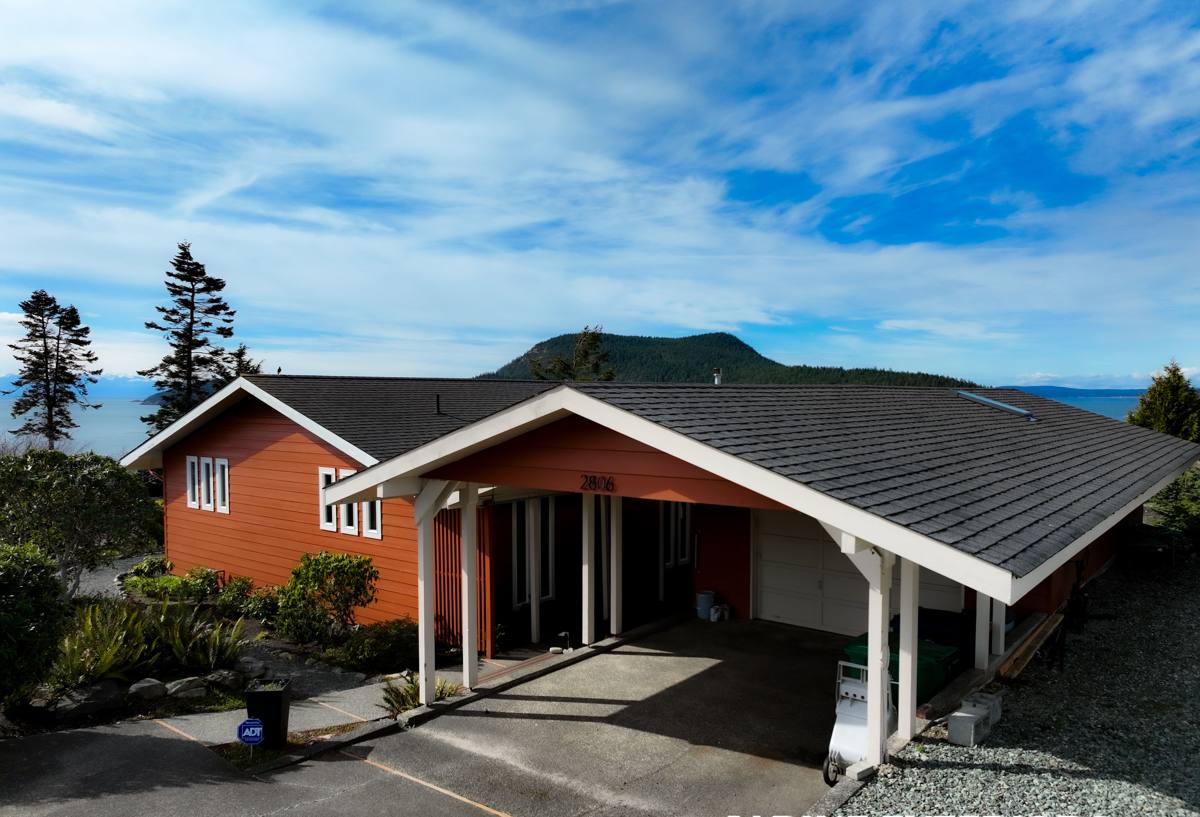
Alger sits in a stretch of Western Washington where thick evergreen cover, low winter sun angles, and proximity to the water combine to create some of the toughest conditions in the state for a home's exterior. Homes tucked along the Chuckanut corridor deal with a mix of problems that a lot of manufacturers' products simply weren't built to handle over the long haul: constant shade that never lets siding and roofing fully dry out, salt-tinged air drifting up from the water, and driving rain that comes in sideways during fall and winter storms. None of this is exotic weather. It's just relentless, year after year, and it's exactly the kind of exposure that separates exterior products that hold up from ones that quietly fail behind the scenes.
We work on siding, roofing, windows, and decks, and we approach all four the same way: figure out what the site and the climate are actually doing to the building, then use materials and installation details that are matched to that reality rather than a generic spec sheet.
What This Climate Does to a House
Shade and Moisture That Never Fully Lets Go
Wooded lots near Chuckanut Mountain keep a lot of homes in partial or heavy shade for most of the day. That shade is nice for comfort, but it means north- and west-facing walls, rooflines under tree canopy, and low deck framing stay damp far longer after a rain event than they would on an open lot. Extended dampness is the single biggest driver of moss, algae, and mildew growth on siding and roofing, and it's the reason wood-based products in particular struggle here.
Salt Air and Driving Rain
Being close to the water means a steady low-level exposure to salt-laden air, which accelerates corrosion on fasteners, flashing, and any hardware that isn't rated for it. Combine that with wind-driven rain that gets pushed horizontally into wall assemblies during winter storms, and you've got a building envelope that's under near-constant pressure to keep water out — not just from above, but from the side.
A Long Moss Season
"Moss season" around here isn't a few weeks — it's most of the year. Roofs, siding, decks, and even window sills accumulate organic growth if the surface holds moisture and doesn't get enough sun or airflow to dry between rain events. Left unaddressed, that growth traps additional moisture against the surface underneath it, which is where real damage starts.
Siding: Why We Only Install James Hardie
We install James Hardie fiber cement siding exclusively. We don't install vinyl, LP SmartSide, Cemplank, Allura, primed spruce, or cedar, and in a climate like Alger's, that's not a marketing position — it's a practical one based on how these products actually perform under sustained damp, shaded conditions.
Vinyl siding is inexpensive and low-maintenance in dry climates, but it softens and warps at moderate heat and can become brittle in cold snaps, and its seams and J-channels give water plenty of paths to get behind the panel — a real liability when wind-driven rain is a regular occurrence. Wood-based engineered siding (LP SmartSide) and traditional wood products like cedar or primed spruce look warm and natural, but wood-based cores are organic material, and organic material in a shaded, damp environment is exactly what moss, algae, and rot are looking for. Cedar in particular demands a maintenance schedule — refinishing, caulking, spot-treating — that most homeowners underestimate until the siding is already showing damage. Cemplank and Allura are also fiber cement, and fiber cement as a category is the right call for this climate; where they differ from what we install is in factory finish quality, product-line engineering for specific climate zones, and warranty structure, which is why we've standardized on the Hardie system specifically rather than fiber cement generally.
James Hardie fiber cement is non-combustible, doesn't support rot or insect damage, and holds its shape and finish through repeated wet-dry cycles far better than wood-based alternatives. The ColorPlus factory finish is baked on under controlled conditions, which matters a lot in a low-sun, high-moisture environment where field-applied paint has a hard time curing evenly and adhering long-term. Hardie also engineers specific product lines (HZ5, HZ10) for different climate zones, so the siding going on a shaded, damp Whatcom County wall is spec'd differently than siding for a dry inland climate. Backed by a strong transferable warranty, it's the product we're willing to stand behind on homes that face this kind of exposure year-round.
Comparing Siding Approaches for This Climate
| Material | Moisture/moss resistance | Maintenance burden | Typical lifespan here |
|---|---|---|---|
| James Hardie fiber cement | Strong — non-combustible, doesn't rot | Low — occasional wash, no refinishing | Decades, with proper install |
| Cedar / primed spruce | Weak in shade — absorbs moisture | High — recoating, caulking, spot repair | Shorter without diligent upkeep |
| Vinyl | Moderate — seams let water behind panel | Low, but limited repair options | Variable; prone to warping |
| LP SmartSide (wood-based) | Moderate — engineered but still organic | Moderate — seams and edges need monitoring | Depends heavily on exposure and upkeep |
Roofing for Heavy Tree Cover and Moss
Roofs under or near tree canopy accumulate debris and hold moisture longer than open roofs, and that combination is what drives premature granule loss, moss colonization, and eventually leaks at valleys and penetrations. A roof replacement or repair out here needs to account for airflow, proper underlayment, and flashing details at every transition — not just the shingle or panel on top. We also pay close attention to gutters and downspouts on these lots, since a roof can be doing everything right and still send water into the wrong place if the drainage around it is undersized or clogged with needle debris, which is common under conifer cover.
Windows: Keeping Moisture and Drafts Out
Older or poorly sealed windows in a damp, shaded home tend to show their age through condensation between panes, soft spots in surrounding trim, and drafts that show up specifically during wind-driven rain events. Replacing windows here isn't just about energy efficiency — it's about getting flashing and sealant details right at the rough opening so the wall assembly behind the window stays dry. We treat window installation as part of the overall building envelope, not a standalone swap, because a window that's air-sealed but poorly flashed can still let water into the wall cavity.
Decks Built for Wet, Shaded Ground
Decks on wooded or low-sun lots deal with two problems most open-lot decks don't: framing that stays damp for days after a rain, and surface growth that makes boards slick and dangerous underfoot. Ledger flashing, joist protection, and adequate spacing for airflow underneath the deck all matter more here than they would on a sunny, open site. We also talk with homeowners about realistic maintenance expectations for whatever decking material they choose, since even low-maintenance composite decking needs periodic cleaning to stay safe and looking good in a moss-prone environment.
Why a Local Crew Matters
A crew that works this specific corridor of Whatcom County regularly knows which walls on a given lot orientation stay wet the longest, how much moss buildup is normal versus a sign of a deeper moisture problem, and which flashing and drainage details actually hold up to the wind-driven rain this area sees every winter. That local pattern recognition is hard to replicate with a crew that's used to drier, sunnier conditions elsewhere in the state — details that are optional in a dry climate are load-bearing here.
What to Look For When Hiring an Exterior Contractor Here
- Experience specifically with shaded, damp lots — not just general exterior work
- Manufacturer training or certification for the siding system they install
- A clear explanation of flashing and drainage details, not just material choice
- Willingness to walk the property and point out existing moisture or moss issues before starting work
- A written warranty that covers both materials and workmanship
- References or completed work you can actually see, not just photos
How We Approach a Project
Whether the job is a full siding replacement, a roof section, new windows, or a deck rebuild, we start by looking at how water and shade move across the specific lot — not just the house. That shapes decisions about drainage, flashing, and material choice before a single panel or board goes up. For siding, that means James Hardie, installed to the manufacturer's specifications for this climate zone, because that's the system we trust to hold up to salt air, driving rain, and a moss season that doesn't really end.
If you're weighing a repair, a replacement, or just want a second opinion on what your home's exterior is dealing with, we're happy to take a look. Reach out for a free, no-pressure estimate using the form below.