 Chuckanut Exterior
 What Blanchard Homes Are Up Against
Blanchard sits in that stretch of terrain where Chuckanut Mountain meets the water, and that geography shapes what happens to a house's exterior year-round. Homes here take on a mix of coastal salt air drifting up from the bay, driving rain that comes in sideways off Puget Sound storms, and a moss season that can stretch from late fall well into spring on shaded, north-facing walls and anything under tree cover. None of that is unusual for Whatcom County, but it does mean siding here works harder than siding in a dry inland climate, and it fails faster when it's the wrong product or the wrong installation.
Salt-laden air corrodes fasteners and hardware over time if they're not rated for it. Driving rain finds every gap in flashing, caulk, and trim that a fair-weather installer might get away with skipping elsewhere. And moss doesn't just look bad — it holds moisture against a wall surface for months at a stretch, which is exactly the condition that rots wood-based siding and delaminates poorly-made composite products. A siding job in Blanchard has to be engineered for all three of these conditions at once, not just installed to look good on a dry day.
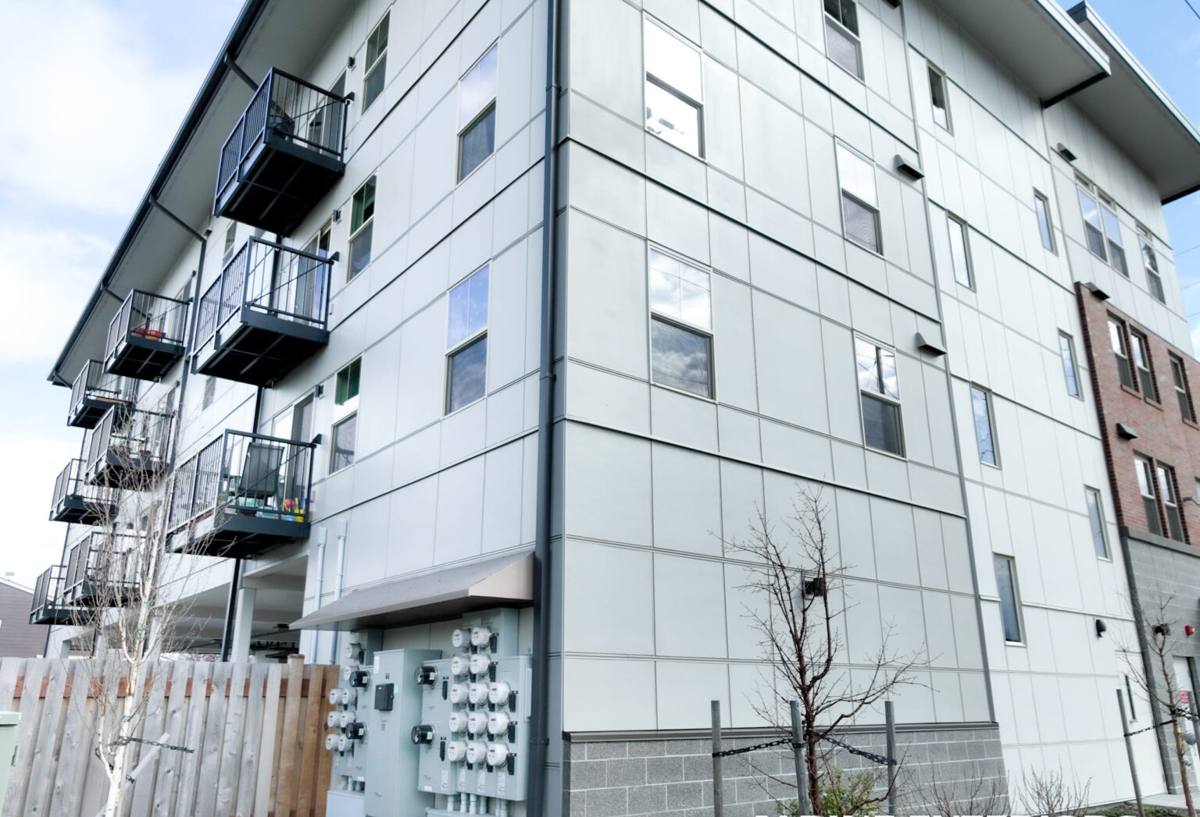
What a Correct Siding Installation Actually Involves
Siding is a system, not a single layer. A house that leaks, rots, or moss-stains within a few years almost always has a failure somewhere in the system underneath the visible boards, not a failure of the boards themselves. Getting it right in this climate means paying attention to every layer:
- Weather-resistive barrier — a continuous, properly lapped moisture barrier behind the siding, with no gaps at seams or penetrations.
- Flashing at every penetration — windows, doors, hose bibs, vents, and anywhere else something passes through the wall need flashing that sheds water outward, not just caulk covering a gap.
- Proper clearances — siding held up off decks, patios, roofs, and grade by the manufacturer's minimum gap, so standing water and splash-back don't sit against the bottom edge of the boards.
- Correct fastening — the right fastener type, spacing, and depth for the product and wall assembly, driven with the right tools and pressure.
- Sealed and primed cut edges — factory edges are one thing, but every field cut needs to be treated so it doesn't become the weak point in the system.
Skip or rush any one of these steps and the siding may look fine at the walkthrough, then start showing problems in two to five years — right around when a lot of complaints start rolling in on siding jobs done by out-of-area crews who aren't around to fix what they installed.
Why We Install James Hardie Fiber Cement — And Nothing Else
We made a deliberate decision to install James Hardie fiber cement siding exclusively. We don't install vinyl, LP SmartSide, cedar, primed spruce, or other fiber cement brands like Allura or Cemplank. That's not a marketing position — it's a standard we hold because of what we've seen these products do over time in this specific climate.
Wood-based siding products, including engineered wood, rely on factory sealing and careful field maintenance to keep moisture out. In a climate with a real moss season and sustained damp periods, any lapse in that maintenance — a missed touch-up coat, a cracked seal at a cut edge — opens the door to swelling and rot. Vinyl handles moisture fine on its own, but it's a poor match for driving coastal rain and wind because its interlocking panels rely on tight, consistent installation to stay weathertight, and it can warp or become brittle with age and temperature swings. Other fiber cement brands may look similar to Hardie on a spec sheet, but manufacturing consistency, factory finish quality, and the strength of the transferable warranty vary by brand — and we'd rather stand behind one product we know inside and out than juggle several.
James Hardie fiber cement is non-combustible, dimensionally stable in wet climates, and available in HZ product lines engineered for specific climate zones, which matters in a region that sees both heavy rain and real temperature swings. The ColorPlus factory finish is baked on under controlled conditions, which holds up better against salt air and UV than field-applied paint, and it comes with a warranty that's actually meaningful because the manufacturer stands behind both the product and the finish.
What Hardie Gets Right for This Climate Specifically
| Concern | How Hardie Fiber Cement Handles It |
|---|---|
| Driving rain / moisture intrusion | Dimensionally stable board that doesn't swell or warp when wet, paired with correct flashing and clearances |
| Salt air corrosion | Installed with corrosion-resistant fasteners; the board itself doesn't corrode |
| Moss and sustained damp shade | Fiber cement doesn't rot; factory finish resists staining better than field-painted wood |
| UV fading over decades | Factory-applied ColorPlus finish holds color longer than site-applied paint |
| Fire exposure | Non-combustible material, unlike wood or vinyl siding |
Our Installation Process for a Blanchard Home
Site Assessment and Existing Condition Check
Before any siding comes off, we walk the exterior and check for what's actually going on underneath — soft spots, prior water damage, existing flashing condition, and how the current siding was terminating at decks, roofs, and grade. This matters more on homes with mature tree cover or north- and west-facing exposures, where moss and damp shade have had the most time to do damage.
Tear-Off and Sheathing Inspection
Once the old siding is off, we inspect the sheathing and structural wall behind it. Any rot, soft sheathing, or compromised framing gets addressed before anything new goes up — installing new siding over a damaged wall just hides the problem for a few more years.
Weather-Resistive Barrier and Flashing
We install a continuous weather-resistive barrier and flash every window, door, and penetration before the first board goes up. This is the step that determines whether the wall actually sheds driving rain or just looks like it does.
Hardie Installation to Manufacturer Spec
Boards are installed with correct fastener spacing, proper clearances at decks and grade, and sealed field cuts. We follow James Hardie's published installation guidelines because that's what keeps the manufacturer's warranty valid — a warranty is only as good as the installation behind it.
Trim, Caulking, and Final Walkthrough
Trim work and caulking finish the weatherproofing at transitions and penetrations, and we walk the finished exterior with the homeowner to review the work before calling the job done.
Trouble Spots We Watch For on Local Homes
A few conditions show up repeatedly on homes in this area, and we plan for them rather than treating them as afterthoughts.
North- and West-Facing Walls
These walls dry out slower and hold moss and mildew longer than south-facing exposures. Correct ventilation behind the siding and a durable factory finish both matter more here.
Deck and Roof Intersections
Anywhere siding meets a deck ledger, roofline, or lower roof is a common leak point if clearances and flashing aren't handled correctly. We pay close attention to these transitions specifically because they're where most callback issues on older homes originate.
Fastener and Hardware Corrosion
Salt-influenced air moving up from the water can corrode standard fasteners and hardware over years. We use fasteners rated for the exposure so hardware isn't the first thing to fail.
What Drives Cost on a Blanchard Siding Job
| Factor | Why It Matters |
|---|---|
| Tear-off scope | Removing existing siding and disposal adds labor versus a bare-wall install |
| Sheathing or framing repair | Damage found underneath old siding needs to be fixed before new siding goes on |
| Wall complexity | Dormers, multiple gables, and cut-up elevations take more time and material than flat wall runs |
| Hardie product line and profile | Lap siding, shingle-style panels, and trim boards vary in material cost |
| Access and site conditions | Steep grade, tree cover, and staging access affect labor time |
We provide a written estimate after seeing the actual condition of your home — broad ranges without an on-site look aren't useful to you, and we'd rather give you a number you can trust.
Maintaining Hardie Siding in This Climate
Fiber cement is low-maintenance compared to wood, but "low-maintenance" isn't "no-maintenance," especially with a real moss season in play. A simple annual routine keeps a correctly installed job performing for decades:
- Rinse the exterior annually to clear pollen, salt residue, and organic buildup before it takes hold
- Check and clear gutters before the fall rains so overflow doesn't run down the wall face
- Watch shaded and north-facing sections for early moss growth and address it before it spreads
- Re-caulk trim joints if you notice cracking or separation, rather than waiting for a leak
- Keep vegetation trimmed back from exterior walls to improve airflow and drying time
Why a Crew That Already Works Blanchard Matters
Siding installed to spec on paper still has to account for the specific microclimate of the wall it's going on — how much sun a given elevation gets, how close it sits to tree cover, how exposed it is to weather coming off the water. A crew that already works this part of Whatcom County has seen how these conditions play out on real homes over real years, not just in a manufacturer's installation manual. That's the difference between siding that's technically installed correctly and siding that's installed correctly for this house, in this location, in this climate.
If you're weighing a siding replacement or new install on a Blanchard home, we're happy to take a look and walk you through what we'd recommend and why. Reach out for a free, no-pressure estimate using the form below.