 Chuckanut Exterior
 Siding Built for Blanchard's Climate, Not Just Its Curb Appeal
Blanchard sits in one of the more punishing microclimates for exterior siding in Whatcom County. Homes here take on a steady combination of salt-laden air moving in off the water, wind-driven rain that hits walls sideways instead of straight down, and a moss season that can run most of the year in shaded, north-facing spots. None of that is dramatic on any given day. It's the cumulative effect — years of it, on the same wall — that separates siding that lasts from siding that quietly fails behind a coat of paint.
This page is about one job done right: siding replacement on a Blanchard home. Not a general overview of siding, and not a sales pitch for a product line. It's what local conditions actually do to exterior walls, what a correct replacement involves, and why the crew doing the work matters as much as the material going up.
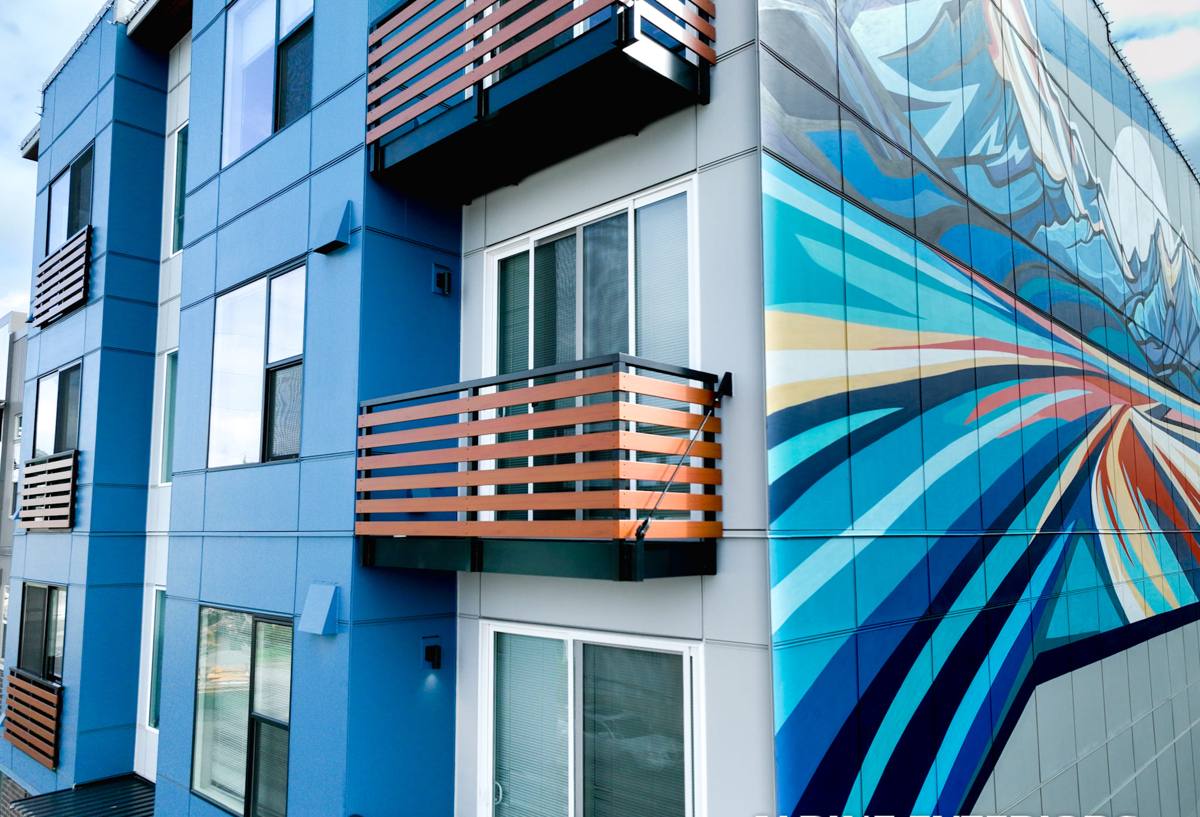
What Salt Air, Driving Rain, and Moss Actually Do to Siding
Salt Air
Airborne salt doesn't need to be blowing off a beach to matter. It travels on marine air and settles on exterior surfaces, where it holds moisture against the wall longer than plain rainwater would. On siding materials that aren't dimensionally stable or that rely on a surface coating to keep water out, that constant low-grade exposure accelerates coating breakdown, swelling, and — on the wrong products — rot.
Driving Rain
Blanchard's exposure to wind off the water means rain doesn't just fall on a roof and run off — it gets pushed horizontally into wall assemblies, especially on gable ends and any wall facing the prevailing weather. Siding systems and installation details that work fine in a sheltered inland yard can leak here if laps, flashing, and drainage planes aren't built for wind-driven water.
Moss and Sustained Moisture
Tree cover and marine humidity keep siding damp longer after every rain event than it would stay in a drier climate. Moss and algae take hold in those damp, shaded zones, and once established they hold even more moisture against the surface. On paint-dependent or moisture-sensitive materials, that's a slow path to soft spots, delamination, and premature repainting. On the wrong siding, it's a path to structural damage under the surface long before it's visible from the yard.
Signs a Blanchard Home Needs Siding Replacement, Not Another Repair
Spot repairs make sense for isolated damage. Full replacement becomes the right call when the problems are systemic — which, given the climate here, they often are by the time a homeowner calls.
- Soft, spongy, or visibly swollen sections of siding, especially near the ground, around windows, or under roof lines
- Paint that won't hold — recurring peeling or bubbling within a few years of repainting
- Persistent moss or algae growth that comes back within a season of cleaning
- Visible gaps, warping, or cupping in boards, particularly on walls that face prevailing wind and rain
- Rising energy bills with no other explanation, which can point to a compromised weather barrier behind the siding
- Siding original to a home built more than 20-25 years ago, nearing or past its practical service life
Why We Install James Hardie Fiber Cement — And Only Hardie
Our company made a deliberate call some time ago to standardize on James Hardie fiber cement siding and stop installing vinyl, LP SmartSide, cedar, primed spruce, or other fiber cement brands. That's not a marketing position — it's a judgment call based on what actually holds up under the conditions described above.
Vinyl siding is inexpensive and low-maintenance in mild climates, but it's a thin material that expands, contracts, and can distort in temperature swings, and it does nothing to resist the driving rain and wind loads common to exposed Blanchard lots. Engineered wood products like LP SmartSide perform reasonably well when detailed and maintained precisely, but they remain wood-based — meaning ongoing sealing and edge maintenance is not optional in a climate that stays damp this long each year. Cedar and primed spruce are attractive but require the most maintenance of all, and moss-prone shade combined with salt air is a difficult combination for any wood product to outlast without frequent upkeep.
James Hardie fiber cement is non-combustible, dimensionally stable, and doesn't feed moss or rot the way wood-based sidings can. Its ColorPlus factory finish is baked on rather than field-applied, which matters directly here — a factory finish holds up to marine air and UV exposure far longer than field-applied paint has to fight recurring moisture cycles. Hardie's HZ5 product line is specifically engineered for wetter, colder climates like ours, and the transferable warranty backs a product designed to actually perform under these conditions, not just look good on install day.
What a Correct Siding Replacement Involves
The material is only part of the job. Most siding failures we see in this climate trace back to installation shortcuts, not the product itself. A correct replacement means:
- Full tear-off and substrate inspection — removing old siding to check the sheathing and framing underneath for hidden moisture damage before anything new goes up
- Repair of any compromised sheathing or framing found during tear-off, rather than covering it over
- A continuous water-resistive barrier installed and lapped correctly, so water that gets past the siding drains out instead of pooling behind it
- Proper flashing at every penetration — windows, doors, vents, and any trim transition — since these are the points where driving rain finds its way in
- A drainage plane that lets any incidental moisture escape rather than trapping it against the wall
- Correct fastening and clearances per manufacturer specification, including ground clearance and gaps at butt joints, which is what keeps a wind-driven rain event from becoming a leak
- Factory-finished panels and trim installed with matched, warranty-compliant accessories, so the finished wall performs as a system rather than a patchwork of parts
Skip any one of those steps and you can end up with siding that looks right for a few years and fails from behind — which is exactly the failure pattern this climate produces when jobs are rushed.
Our Process for a Blanchard Siding Replacement
We run the same disciplined process on every siding replacement, adjusted for the specifics of the home:
- On-site assessment — we look at existing siding, exposure direction, moss and moisture patterns, and any visible damage before quoting anything
- Written scope — a clear plan covering tear-off, substrate repair allowances, flashing details, and the specific Hardie products and colors involved
- Weather-aware scheduling — we plan tear-off and dry-in around forecasted rain windows rather than leaving a home's structure exposed to the elements longer than necessary
- Tear-off and inspection — old siding comes off, sheathing gets inspected, and any hidden damage is addressed before we move forward
- Weather barrier and flashing installation — done to manufacturer and code specification, not shortcuts
- Hardie installation — panels, planks, and trim installed to spec, including fastening, clearances, and joint treatment
- Final walkthrough — we review the finished work with the homeowner before considering the job done
What Siding Replacement Costs Depend On
Every home is different, but the same factors drive cost on almost every Blanchard project we've priced. This isn't a quote — it's what to expect the estimate to weigh:
| Factor | Why It Matters Here |
|---|---|
| Home size and wall complexity | More corners, gables, and trim transitions mean more flashing detail and labor |
| Substrate condition | Hidden moisture damage found during tear-off can add repair scope before new siding goes up |
| Hardie product line and profile | Plank, panel, and shingle profiles carry different material and labor costs |
| Color and finish selection | ColorPlus factory finishes vary by line and color availability |
| Access and site conditions | Slope, landscaping, and setback affect staging and labor time |
| Removal and disposal | Old siding, especially if damaged or moss-laden, adds disposal cost |
Why a Crew That Already Works Blanchard Matters
Siding installation is detail work, and the details that matter change with the climate. A crew that installs mostly in drier, more sheltered parts of the country can put up a technically fine wall that still leaks here, simply because they weren't thinking about wind-driven rain hitting a gable end or how long a north-facing wall in tree shade stays wet after a storm. A crew that already works this stretch of Whatcom County knows which walls need the most flashing attention, which exposures see the worst moss growth, and how to schedule tear-off around the area's weather rather than gambling on a dry window that doesn't show up.
That local judgment doesn't show up on a spec sheet, but it shows up ten years later in whether the siding is still doing its job.
Questions Worth Asking Before You Sign a Contract
- Will the crew do a full tear-off, or are they covering existing siding?
- What happens if they find moisture damage in the sheathing — is that priced up front or handled as a change order?
- What specific flashing details will be used around windows and doors?
- Which Hardie product line and finish are being quoted, and is it appropriate for a wetter, colder climate?
- Is the installer a certified Hardie installer, and does the quote include the manufacturer's warranty terms in writing?
If your Blanchard home's siding is showing its age — or you'd just like an honest read on whether it's a repair situation or a replacement situation — we're glad to take a look. Request a free, no-pressure estimate using the form below.