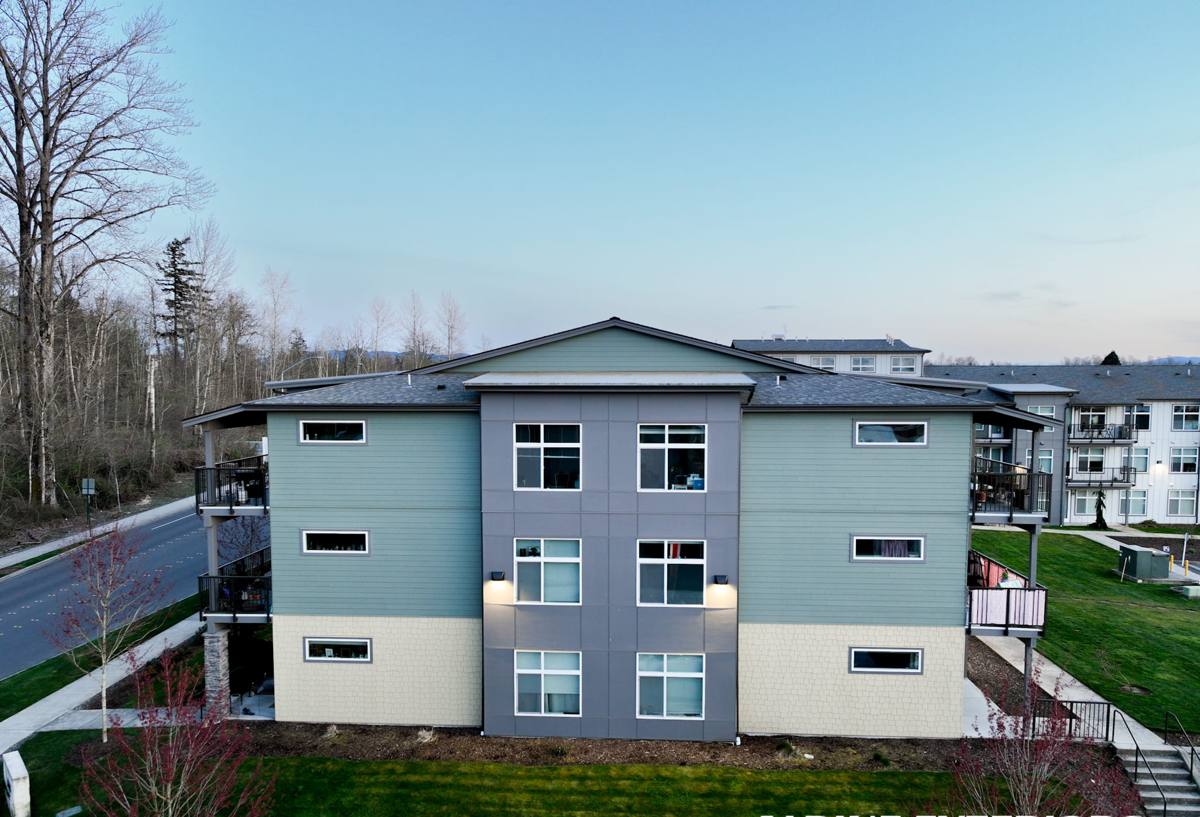
 Chuckanut Exterior
 Why Roof Quotes Vary So Much
Ask three roofing contractors for a bid on the same house in Chuckanut and you'll often get three different numbers, sometimes with a few thousand dollars between the low and the high. That's not one of them trying to rip you off (usually). Roofing bids swing on a handful of real, measurable factors — material choice, roof complexity, what's underneath the existing shingles, and how the crew plans to handle access, tear-off, and disposal. Once you understand what's actually driving the number, you can compare bids that look wildly different and figure out which one is actually the better deal.
This page walks through the real cost drivers for a roof replacement in Whatcom County, without throwing out fake price tags. Every roof and every house is different, and anyone who quotes you a firm number over the phone without seeing your roof is guessing.
Material Costs: The Biggest Lever
Material is usually the single largest line item, and it's also where homeowners have the most control. Here's how the common options compare in general terms:
| Material | Relative Cost | Typical Lifespan | Notes for This Climate |
|---|---|---|---|
| 3-tab asphalt shingle | Lowest | 15-20 years | Cheapest upfront, but shortest lifespan in wet, wind-exposed conditions |
| Architectural (dimensional) shingle | Moderate | 25-30 years | Better wind rating and a heavier profile that sheds water more reliably |
| Standing seam metal | High | 40-50+ years | Excellent in driving rain and moss resistance; higher install skill required |
| Synthetic/composite shake | Moderate-High | 30-40 years | Cedar look without the moisture absorption of real wood shakes |
| Cedar shake (natural) | High | 20-30 years with maintenance | Attractive but needs regular treatment to resist moss and rot here |
| TPO/membrane (low-slope roofs) | Moderate | 20-25 years | Used on flat or near-flat sections; seam quality matters more than brand |
Notice the pattern: the cheapest material up front is often the most expensive over 30 years, because you're paying for two or three roof replacements instead of one. In a climate that stays wet for months at a stretch, the gap between a budget shingle and a well-rated architectural shingle tends to close fast once you factor in how many years each one actually lasts here.
Warranty Language Worth Reading
Shingle warranties are prorated, meaning the payout shrinks every year after installation — a "50-year" warranty rarely pays anywhere near full replacement cost by year 20. Read the actual warranty document, not just the marketing sheet, and ask your contractor to explain what's covered by the manufacturer versus what's covered by their own workmanship warranty. Those are two different guarantees.
Roof Complexity: Pitch, Layers, and Layout
Two roofs with the same square footage can cost very different amounts to replace. What changes the number:
- Pitch: Steep roofs require more safety equipment, slower work, and often a higher labor rate. A flat, walkable roof is simply faster and safer to work on.
- Number of layers: If your home already has two layers of old shingles, both need to come off before new roofing goes down — that's extra labor and disposal weight most homeowners don't budget for.
- Valleys, dormers, and roof lines: Every valley, chimney, skylight, and dormer is a place water can find its way in if it's not flashed correctly. More of these features means more detail work and more time.
- Roof access: Steep driveways, tight side yards, or roofs surrounded by mature trees can make it harder to stage materials and set up safe access, which affects labor time.
What's Under the Shingles Matters Just as Much
The visible shingles get all the attention, but the materials underneath them do most of the actual water-stopping work over the life of the roof.
Underlayment
Traditional felt paper is the old standard; synthetic underlayment is more tear-resistant, sheds water better during a multi-day install, and holds up longer if it's exposed to weather before the shingles go on — which happens more often than you'd think in a region where dry work windows aren't guaranteed.
Ice and Water Shield
This self-adhering membrane goes in vulnerable spots — eaves, valleys, around penetrations — where wind-driven rain is most likely to work its way under shingles. Given how often Whatcom County sees sustained, sideways rain off the water, this isn't an optional upgrade; it's cheap insurance in exactly the places your roof is most likely to fail.
Decking Condition
You often can't know the condition of the plywood or OSB decking until the old roofing comes off. Soft, rotted, or delaminated decking has to be replaced before new roofing goes down — a contractor can't safely nail into it otherwise. A fair contract should spell out a per-sheet replacement price up front, so if bad decking turns up, you're not negotiating blind mid-project.
Local Climate Factors That Push Costs Up
Chuckanut and the surrounding Whatcom County coastline put a roof through a specific kind of punishment. Salt air off the water accelerates corrosion on exposed fasteners and metal flashing, so fastener and flashing quality matter more here than in a dry inland climate. Driving rain, especially in fall and winter storms, tests every seam, valley, and penetration on the roof — which is exactly why underlayment and flashing details deserve real attention rather than the cheapest option available. And the long, damp moss season stresses roofs in a way many homeowners underestimate: moss holds moisture against the roofing surface, works its way under shingle edges, and shortens the effective life of whatever material is up there if it isn't kept in check.
None of this means you need the most expensive option on the market. It does mean the "climate-rated" details — underlayment, flashing, ventilation — are worth spending on even if you go with a mid-range shingle.
Permits, Disposal, and Access Costs
These are the line items homeowners most often forget to ask about:
- Permits: Most jurisdictions require a roofing permit and inspection; this is a small but real cost, and skipping it can create problems when you sell the house.
- Tear-off disposal: Old shingles are heavy. Dumpster or haul-away fees scale with the square footage and number of layers coming off.
- Ventilation upgrades: If your attic is under-ventilated, a roofer may recommend adding ridge or soffit vents during the tear-off — worth doing while the roof is already open, since poor ventilation shortens the life of whatever goes back on.
- Gutter and flashing replacement: Old, rusted flashing or gutters in poor shape are often more cost-effective to replace during the roofing project than to work around.
Hidden Costs Homeowners Forget to Budget For
- Rotted decking discovered after tear-off (ask for the per-sheet rate in writing)
- Chimney or skylight flashing that needs full replacement, not just resealing
- Extra layer removal if the house has old, undisclosed roofing underneath
- Driveway or landscaping protection during the project
- Attic ventilation corrections uncovered mid-project
- Matching or upgrading gutters to the new roofline
Getting an Apples-to-Apples Quote
The reason two bids can look so different is often that they're not actually quoting the same job. Before comparing price, make sure each bid specifies:
- Exact shingle or material brand and product line, not just "architectural shingle"
- Underlayment type (felt vs. synthetic) and where ice-and-water shield will be installed
- Number of layers being removed and where the debris goes
- A stated per-sheet price for any decking replacement found during tear-off
- Ventilation scope — is anything being added, repaired, or left as-is
- What's covered under the manufacturer's warranty versus the contractor's workmanship warranty
If you're already planning to replace worn siding around the same time as your roof, it's worth discussing both projects together — coordinating flashing details where roof and wall systems meet is easier to get right when one contractor is planning the whole envelope. For siding, we install James Hardie fiber cement exclusively; it's a decision built around long-term performance in exactly this kind of wet, moss-prone coastal climate, and we're glad to explain the reasoning if it's relevant to your project.
Timing Your Roof Replacement
Roofing can technically happen in most conditions short of active storms, but scheduling around the wettest stretch of the year reduces the odds of a mid-project weather delay and gives underlayment and adhesive strips the chance to seal properly. If your roof is showing granule loss, curling edges, or visible moss buildup, it's better to plan a replacement before the next wet season than to wait for an active leak — emergency repairs during a storm cost more and give you far less say over material and scheduling decisions.
If you'd like an honest look at what your specific roof needs — no pressure, no inflated urgency — we're happy to walk the roof with you and put together a clear, itemized estimate. The form below gets you started.