 Chuckanut Exterior
 Exterior Work Built for Sehome's Conditions
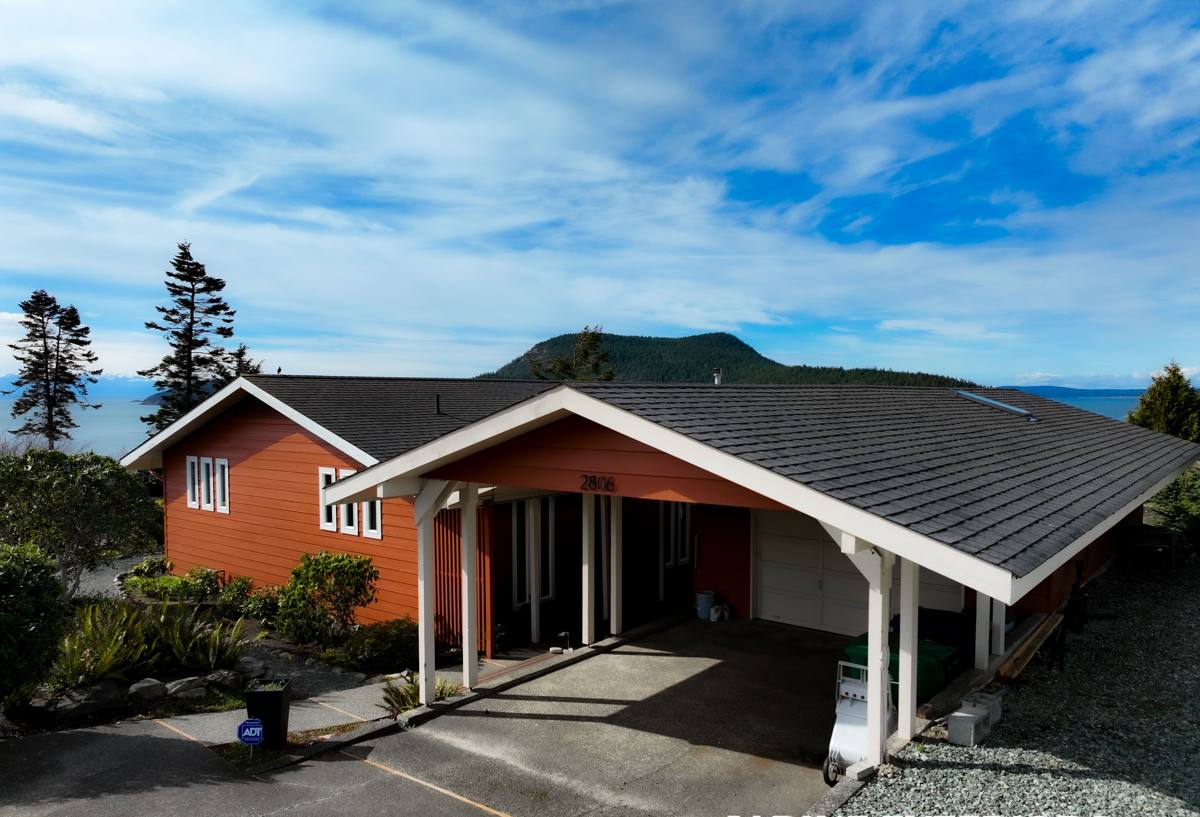
Sehome sits in that stretch of Whatcom County where the exterior of a house is never really left alone. Between the salt-tinged air rolling in off the water, long stretches of driving rain through fall and winter, and a moss season that seems to start earlier every year, the outside of a home here is working overtime compared to a house inland. We've built our business around exteriors that hold up to exactly that kind of pressure, and Sehome is one of the areas we work in regularly.
This page walks through what we actually see on homes in this part of the county, how our siding, roofing, window, and deck work is approached for local conditions, and why we standardized on one siding product instead of offering a menu of options.
What the Climate Does to a House Here
Salt Air and Moisture
Homes closer to the water deal with a slow, steady form of wear that's easy to miss year to year. Salt-laden air accelerates corrosion on fasteners, flashing, and any exposed metal trim. It also interacts with certain siding materials in ways that shorten their useful life — moisture gets pulled into seams, paint fails faster than the manufacturer's warranty assumes, and caulking joints that were fine at installation start failing within a few seasons.
Driving Rain
Whatcom County doesn't just get a lot of rain — a good portion of it comes in sideways during winter storms. That matters more than total rainfall for exterior durability, because wind-driven rain finds its way into laps, seams, and butt joints that would stay dry in a straight-down rain. Siding, trim, and roofing details that aren't installed with wind-driven exposure in mind tend to show water staining, swelling, or rot at those joints first.
Moss and Shade
Sehome has enough tree cover and cloud cover that roofs and north-facing siding stay damp far longer than they would in a drier climate. Moss doesn't just look bad — it holds moisture against roofing material and siding surfaces, and on the wrong substrate that constant dampness accelerates rot, delamination, or paint failure.
Siding: Why We Only Install James Hardie
We get asked fairly often why we don't offer vinyl, LP SmartSide, or a lower-cost fiber cement alternative alongside James Hardie. The honest answer is that we used to see the long-term problems those products create in exactly this climate, and we decided we'd rather install one product well than several products with caveats attached.
Vinyl
Vinyl siding is inexpensive and low-maintenance in dry climates, but it's a petroleum-based product that expands, contracts, and can warp with temperature swings, and it doesn't hold paint — so if it fades or gets damaged, your only real option is replacement, not refinishing. In a marine climate with wind-driven rain, vinyl's seams and J-channels are also a common water-entry point if installation isn't precise.
Wood-Based Composite Siding (LP SmartSide)
Engineered wood siding has improved a lot over the years, but it's still a wood-strand product with a resin binder, which means it's inherently more moisture-sensitive than fiber cement. In a climate with a long wet season and heavy moss exposure, any breach in the factory coating — a missed caulk joint, a nail popped by wind, a scratch from a ladder — gives water a path into the substrate, and that's where swelling and edge deterioration start.
Cedar and Primed Spruce
Real wood siding has a genuine appeal, but it demands a maintenance schedule most homeowners don't keep up with — recoating every few years, constant caulk inspection, and vigilance about moss and mildew. In Sehome's shade and moisture conditions, that maintenance window shrinks even further.
Why James Hardie
James Hardie fiber cement is cement, sand, and cellulose fiber — non-combustible, dimensionally stable, and engineered specifically for wet climates through its HZ5 product line. The factory-applied ColorPlus finish is baked on under controlled conditions, which gives it better fade and adhesion performance than field-applied paint, and it comes with a genuinely strong, transferable limited warranty. It isn't the cheapest siding option on the market, and we say that plainly — but it's the one we're willing to put our name behind after seeing how the alternatives perform over a decade or two in this climate.
| Material | Moisture Tolerance | Maintenance | Typical Lifespan Here |
|---|---|---|---|
| Vinyl | Moderate (seam-dependent) | Low, but not repairable if damaged | 15-25 years |
| LP SmartSide / wood composite | Moderate; fails at coating breaches | Moderate; caulk and touch-up upkeep | 15-30 years |
| Cedar | Low without upkeep | High; recoating and moss control | Highly variable, maintenance-dependent |
| James Hardie fiber cement | High; engineered for wet climates | Low | 30+ years, factory-finish backed |
Roofing for a Moss-Heavy, High-Rainfall Area
Roofing in Sehome has to account for both volume of water and the shade that keeps a roof from drying out between storms. We look at more than just the shingle or panel choice — proper underlayment, ice-and-water protection at eaves and valleys, and flashing detail at every penetration matter as much as the roofing material itself. A roof that's correctly flashed and ventilated will shed wind-driven rain and resist moss buildup far better than one where the material is upgraded but the details underneath are generic.
Ventilation Matters More Than People Think
Poor attic ventilation traps moisture underneath the roof deck, which shows up as premature sheathing rot or interior moisture problems long before the roofing material itself fails. On a shaded, damp lot, a ventilation mistake compounds faster than it would on a drier property.
Windows: Sealing Out Wind-Driven Rain
Window failures in this area are rarely about the glass — they're almost always about the flashing and sealing around the frame. Wind-driven rain will find a gap in flashing tape or a poorly sealed nailing flange, and once water gets behind a window it can travel and cause rot well beyond the window opening itself before anyone notices a problem inside. We flash every window opening to shed water outward and downward, lapped correctly with the surrounding weather-resistive barrier, regardless of what window brand is going in.
What Correct Window Installation Involves
- Sloped sill pan flashing so any water that gets past the window drains back out, not into the wall
- Properly lapped flashing tape integrated with the house wrap, shingle-style from bottom to top
- Sealant at the right points only — over-sealing can trap moisture instead of letting it drain
- Squared, shimmed installation so the window operates correctly and the seal isn't stressed unevenly over time
Decks: Built to Handle Standing Moisture
Decks in shaded, damp yards deal with a different set of problems than decks in full sun — slower drying time, more moss and algae growth, and joists and ledger connections that stay damp longer after a storm. Proper flashing at the ledger board where a deck attaches to the house is one of the most important and most commonly shortcut details in deck construction; a poorly flashed ledger is one of the most common sources of hidden rot on older decks in wet climates. We pay close attention to ledger flashing, joist protection, and drainage gaps between decking boards so water moves off the structure instead of sitting on it.
What a Local Crew Actually Changes
A crew that works Whatcom County exteriors regularly isn't guessing at how a house will perform here — they've seen what happens to siding, roofing, and trim over the following ten or twenty years, not just at the point of installation. That shows up in small decisions: how far flashing gets lapped, where extra sealant is skipped rather than added, and which details get extra attention because they're known trouble spots in a marine climate. It also means faster response if something needs a look after a bad storm, without the delay of coordinating a crew that's based somewhere drier and farther away.
How We Approach a Sehome Project
- On-site assessment of the existing exterior, including moisture, ventilation, and flashing condition, not just the surface material
- Straightforward recommendation based on what the house actually needs, not a standard package
- Clear scope and honest pricing range before work begins
- Installation to manufacturer spec, with attention to the local-climate details that generic installation guides don't emphasize
- Walkthrough at completion so you understand what was done and why
Signs Your Exterior Needs a Closer Look
- Dark streaking or moss buildup that keeps returning shortly after cleaning
- Soft or spongy spots on decking, siding, or around window trim
- Paint that's bubbling, peeling, or failing faster than expected
- Visible gaps or separation at siding seams, window trim, or roof flashing
- Interior signs like musty smells or discoloration near exterior walls or ceilings
None of these are emergencies on their own, but they're worth a professional look before they turn into structural repairs. Catching a flashing or moisture issue early is almost always cheaper than fixing what it causes after a few more wet seasons.
Get a Straightforward Estimate
If you're in Sehome and dealing with siding, roofing, window, or deck questions, we're happy to take a look and give you an honest read on what your home actually needs. Reach out for a free, no-pressure estimate — the form below gets you started.