 Chuckanut Exterior
 Windows Built for the York Stretch of Chuckanut
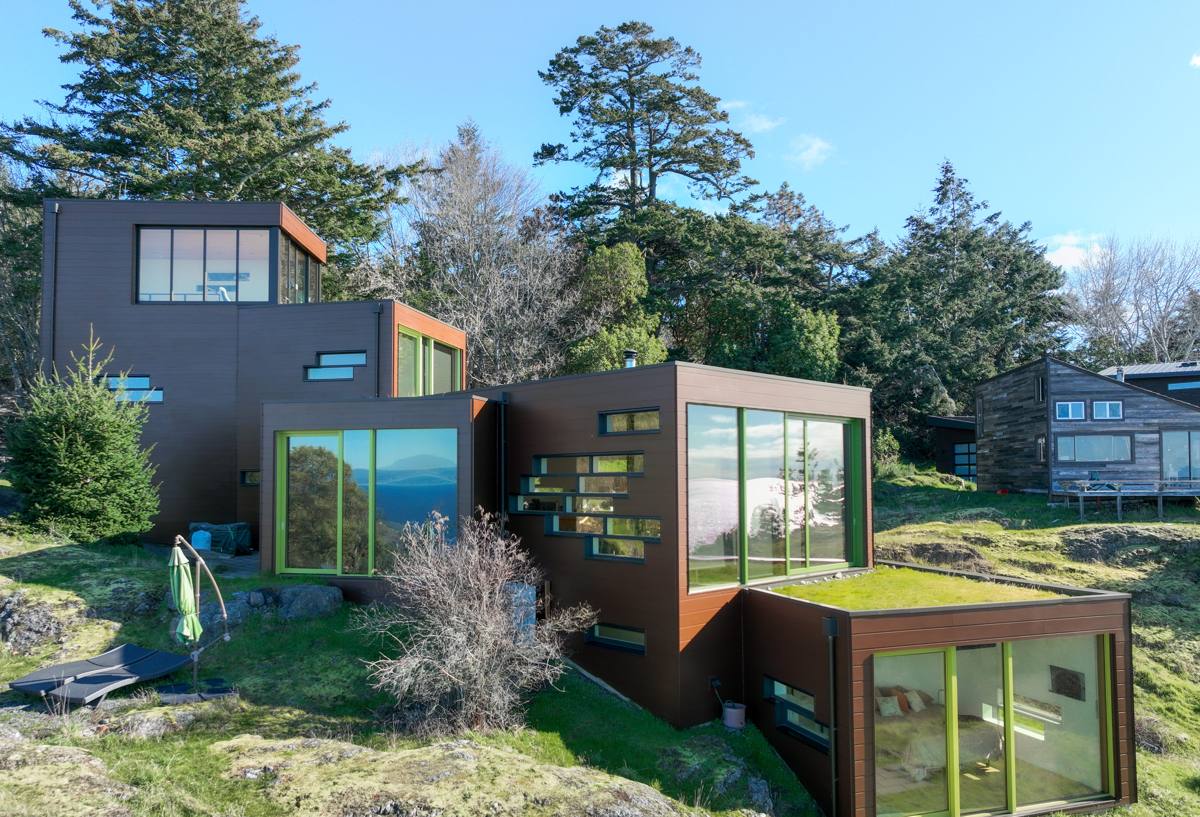
Homes in the York area sit close enough to the water and the tree line that windows take a beating most inland houses never see. Salt-laden air off the bay works into aluminum frames and hardware year-round. Driving rain off Puget Sound tests every seal, sash, and sill during the wet months. And Whatcom County's long moss season blankets anything with a north or shaded exposure, holding moisture against trim and frames long after a storm has passed. If you've noticed fogging between panes, drafts around the sash, or wood that's gone soft at the sill, your windows are telling you something about how this specific stretch of coastline treats building materials.
We replace windows in York and the surrounding Chuckanut area on a regular basis, which means we're not guessing at what holds up here. This page covers what correct window replacement actually involves in this climate, what to expect from our process, and why local experience matters more than it might seem.
What This Climate Does to Windows Over Time
Salt Air and Metal Components
Salt air is corrosive to unprotected metal — that includes window hardware, aluminum cladding, and even the fasteners holding a frame together. Over years, this shows up as pitted or seized locks, cranks that won't turn smoothly on casement windows, and cladding that discolors or corrodes at the seams. Vinyl and properly finished wood frames handle salt exposure better than bare or poorly coated aluminum, which is a real factor in what we recommend for homes closer to the water.
Driving Rain and Wind-Driven Water
Rain that falls straight down is easy to manage. Rain that's being pushed sideways by wind off the water is a different problem — it finds any gap in flashing, sealant, or a compromised weep system and pushes water where it doesn't belong. Older window installations, especially ones done without proper flashing integration into the wall assembly, are the first to leak under these conditions. This is often less about the window itself and more about how it was originally installed.
Moss, Shade, and Trapped Moisture
Chuckanut's tree cover is part of what makes the area attractive, but it also means long stretches of shade on north- and east-facing walls where moss and mildew take hold and stay damp for weeks at a time. Wood sills and trim in these locations are especially vulnerable to rot if they're not sealed and maintained. When we replace windows in shaded, moss-prone spots, we pay close attention to sill pitch, drainage, and the materials used at the base of the frame — details that matter far more here than they would on a sunny, exposed wall.
Signs a York Home Needs Window Replacement, Not Just Repair
- Fogging or a visible haze between the panes of a double-pane window — the seal has failed and the gas fill is gone
- Frames that feel soft, spongy, or show dark staining at the corners or sill, especially on shaded walls
- Noticeable drafts or cold spots near the window even with it fully closed and locked
- Hardware that's corroded, seized, or requires real effort to lock and unlock
- Paint or finish that's bubbling or peeling repeatedly at the sill, often a sign moisture is getting behind the surface
- Visible daylight or gaps around the frame where it meets the siding or trim
- A noticeable jump in heating costs without any other explanation
Repair makes sense for isolated hardware issues or a single failed seal on an otherwise sound frame. Once you're seeing rot, persistent leaking, or multiple failure points on the same window, replacement is almost always the more honest recommendation — patching a frame that's already compromised by moisture just delays the same conversation.
What Correct Window Replacement Actually Involves
A window replacement done right is mostly about what happens before and around the window unit itself — the window is the easy part.
Removal and Inspection
We remove the old window carefully and inspect the rough opening underneath. This is where hidden problems show up: soft framing, missing or failed flashing, insulation that's compressed or wet. In a climate that drives rain sideways and holds moisture in shade for weeks, we've found that skipping this step is exactly how a brand-new window ends up leaking within a year or two.
Flashing and Water Management
Proper flashing integration — tying the window's flashing into the building's water-resistive barrier correctly — is what actually keeps wind-driven rain out, not the window's own weatherstripping alone. This is one of the most commonly rushed steps in window installation generally, and it's the step that matters most given the weather York sees.
Sealing and Insulation
The gap between the new frame and the rough opening gets properly insulated and sealed, not just stuffed with excess foam that can bow the frame. Sealant selection matters too — a sealant that stays flexible through Whatcom County's temperature swings and long wet seasons holds up better than one that hardens and cracks within a few years.
Interior and Exterior Finish Work
Trim, sill work, and paint or caulk lines are finished cleanly so the new window looks intentional, not patched in. On the exterior, we make sure sills are pitched to shed water away from the frame rather than letting it pool.
Choosing the Right Window for a York Home
There's no single "best" window material — the right choice depends on the home's exposure, budget, and how much maintenance the owner wants to take on. Here's how the common options actually compare for a home dealing with salt air, driving rain, and shade-driven moss:
| Frame Material | Salt Air Resistance | Moisture/Rot Resistance | Maintenance |
|---|---|---|---|
| Vinyl | Very good — won't corrode | Good, doesn't rot; seals are the main wear point | Low — occasional cleaning |
| Fiberglass | Excellent — very stable in coastal air | Excellent, dimensionally stable when wet or dry | Low |
| Wood (unclad) | Fair — needs consistent finish upkeep | Requires diligent sealing, especially in shaded spots | High — repainting/sealing on a schedule |
| Wood-clad (vinyl or aluminum exterior) | Good on the clad side, interior wood still needs some care | Good if cladding seams are sealed well | Moderate |
| Aluminum | Poor to fair unless well-finished — prone to corrosion and condensation | Fair; thermally conductive, can promote interior condensation | Moderate to high |
For homes with direct water exposure or heavy shade, we lean toward vinyl or fiberglass for the frame, paired with glass packages rated for the wind and moisture this area sees. We're honest that bare aluminum frames, while sometimes cheaper upfront, tend to show corrosion and condensation issues sooner in this specific climate — that's a maintenance and longevity trade-off worth knowing about before you buy, not a knock on any particular manufacturer.
Glass Options Worth Understanding
Beyond the frame, the glass package affects comfort and energy performance:
- Double-pane with low-E coating — the standard baseline for this climate; reduces heat loss and UV fading
- Triple-pane — better insulation and sound dampening, worth considering for street-facing or particularly exposed walls, at added cost and weight
- Argon or krypton gas fill — improves insulation between panes; this is the fill that eventually leaks out and causes the foggy-window look when a seal fails
- Impact-resistant or laminated glass — an option for homes with more direct wind and storm exposure, though not necessary for every property in the area
We'll walk through which combination makes sense for your home's specific exposure rather than defaulting to the most expensive package — a shaded, sheltered window doesn't need the same spec as one facing open wind off the water.
Our Process, Start to Finish
1. On-Site Assessment
We look at each window individually — exposure, current condition, framing, and any signs of past water intrusion — rather than quoting a blanket price sight unseen.
2. Honest Recommendation
We'll tell you plainly which windows need replacing now, which can wait, and which just need a repair. We're not incentivized to replace more than necessary.
3. Product Selection
We go over frame material, glass package, and finish options based on your budget and each window's actual exposure, not a one-size-fits-all recommendation.
4. Installation
Careful removal, opening inspection, correct flashing, proper insulation and sealing, and clean finish work — every step covered above, done in sequence, not skipped for speed.
5. Walkthrough and Cleanup
We check operation on every window before we consider the job done and leave the site clean.
Why Local Experience in Chuckanut Matters
A crew that mostly works dry inland climates can install a window that looks fine and still fails within a couple of years, because the failure points here aren't obvious until you've seen them repeatedly. Knowing how far wind-driven rain travels off the water, which walls hold moss and moisture the longest, and how salt air shortens the life of certain hardware isn't something you learn from a manual — it's something you learn by working this specific area over time. That's the experience we bring to every window we replace in York and the rest of Chuckanut.
Get a Free, No-Pressure Estimate
If your windows are showing signs of wear, fogging, drafts, or moisture damage, we're happy to take a look and give you a straight assessment — no pressure, no obligation. Use the form below to request a free estimate for your York-area home.