 Chuckanut Exterior
 Storm Damage Roof Repair for York Homes
York sits close enough to the water and the tree line that its roofs take a different kind of beating than homes further inland. Wind comes off the water with real force during winter storms, rain arrives sideways more often than straight down, and the tree cover that makes the area attractive also means shade, needle debris, and moss that never fully dries out. When a storm passes through, the damage isn't always obvious from the driveway. A few missing shingles or a dented gutter can be hiding a slower problem underneath, and that's the gap we're brought in to close.
This page is specifically about storm damage roof repair for homes in York, not a general overview of roofing services. If a recent windstorm, heavy rain event, or falling branch has left your roof looking off, here's what actually needs to happen next, and why the details matter more than the speed of the fix.
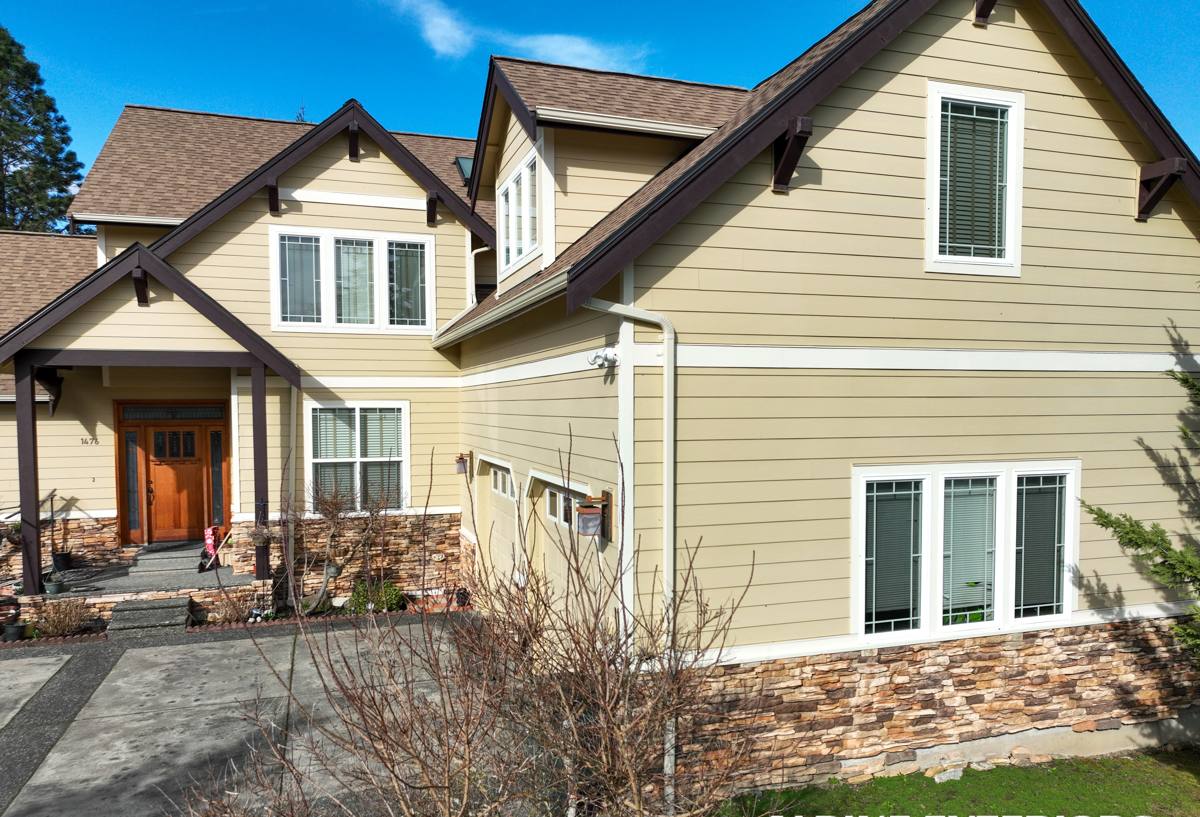
Why York's Climate Is Hard on Roofs
Whatcom County weather is wet for most of the year, and York's position means homes here deal with a mix of driving rain, salt-tinged air, and heavy tree cover that keeps roof surfaces damp longer than homes in more open, sun-exposed areas. None of these factors cause damage on their own in a single storm — the real damage builds up over repeated cycles.
Wind-Driven Rain
Standard shingle installation assumes rain falls mostly straight down. When wind pushes rain sideways and upward under the shingle tabs, water can find its way past flashing and seams that would otherwise hold up fine. This is the single biggest cause of the "mystery leak" calls we get after a storm — the entry point is rarely where the stain shows up inside.
Salt Air and Metal Fatigue
Homes with any water exposure in this region see faster corrosion on exposed metal — flashing, fasteners, gutter hangers, and vent caps. Corroded metal doesn't fail all at once; it thins out over years and then gives way during exactly the kind of wind event that a storm brings. A roof that looked fine the week before can suddenly have a flashing failure once a gust finds the weak point.
Extended Moss Season
Shade and moisture together mean moss has a long growing season here. Moss holds water against the roof surface, works into shingle edges, and lifts tabs enough that wind can get underneath them during a storm. A roof with moss buildup is measurably more vulnerable to wind damage than a clean one, which is why moss condition is one of the first things we check during a storm damage inspection, even if the moss itself isn't the thing that failed.
What Actually Counts as Storm Damage
Storm damage isn't limited to the dramatic stuff. Some of the most common issues we find after a wind or rain event in York are easy to miss on a casual look from the ground.
- Shingles that are lifted, cracked, or creased but not fully torn off
- Flashing pulled loose around chimneys, skylights, or roof-to-wall transitions
- Gutters pulled away from the fascia or bent from wind load or debris
- Granule loss from shingles, visible as grit buildup in gutters or downspouts
- Small punctures or bruising from branch impact that don't leak right away
- Ridge cap shingles loosened or missing along the roof peak
- Soft spots in decking from slow leaks that predate the storm but got worse
The pattern across all of these is that visible damage and the actual entry point for water are often in two different places. A missing shingle three feet from a leak stain is normal — water travels along the underlayment and decking before it finds a way through the ceiling.
What a Correct Storm Repair Involves
A repair that only replaces what's visibly missing is a temporary fix, not a real one. Doing it right means understanding how water moved during the storm and fixing that path, not just the symptom.
Checking the Underlayment, Not Just the Shingles
Shingles are the visible layer, but the underlayment underneath is what actually keeps a roof dry when a shingle fails. After storm damage, we check whether water reached the underlayment and whether it's still doing its job, especially around the damaged section. Replacing shingles over compromised underlayment just delays the next leak.
Matching Materials Honestly
Shingle color and profile fade and change over a few years, so a patch repair on an older roof will rarely be invisible. We tell homeowners this upfront rather than promising a seamless match we can't deliver. On a roof under 5 years old, matching is usually close. On an older roof, we'll talk through whether a visible patch is acceptable or whether a larger section should be replaced for consistency.
Flashing and Fasteners Get the Same Attention as Shingles
Given how much salt-air corrosion affects fasteners and flashing in this region, we don't just re-nail loose material back down. Corroded fasteners get replaced, not reused, and flashing that's thinned or pitted gets swapped rather than resealed. Sealant is a short-term patch on failing metal, not a fix.
Our Repair Process
Storm repair calls move faster than a routine roofing project because water intrusion is time-sensitive, but we don't skip steps just to move quickly.
1. Inspection and Documentation
We inspect the full roof, not just the area you noticed damage in — storms rarely damage only one spot. We photograph everything before touching anything, which matters if you're filing an insurance claim.
2. Temporary Protection If Needed
If there's active or likely water entry, we'll tarp or temporarily seal the affected area the same visit to stop further damage while the permanent repair is scheduled. This isn't billed as a separate large project — it's a stopgap, not a substitute for the real fix.
3. Written Scope Before Work Begins
You get a clear, written explanation of what failed, what's being repaired, and what materials are being used, before any permanent work starts. No verbal-only estimates.
4. The Repair Itself
Decking is checked and replaced if soft or delaminated, underlayment is restored, flashing and fasteners are addressed as described above, and shingles are matched as closely as the roof's age allows.
5. Cleanup and Final Walkthrough
Debris, old materials, and displaced fasteners are cleared from the yard and gutters before we call the job done, and we walk the repair with you so you know exactly what was done.
Insurance Claims: What We Can and Can't Do
Many storm repairs in York are covered in part by homeowners insurance, depending on your policy and the cause of damage. We're glad to provide the documentation, photos, and a written repair estimate that your adjuster will want to see. What we won't do is inflate a scope of work to match a settlement number or claim damage exists where it doesn't — that's not a service we offer, and any contractor who suggests it is putting your claim and your roof's actual condition at risk. Our job is an honest assessment; the insurance conversation is between you and your carrier, and we'll support that conversation with accurate information.
What Storm Repair Typically Costs
Costs vary a lot based on how much of the roof is affected and whether the decking underneath needs work. The table below gives a general sense of scope, not a quote — every roof is different, and the only way to know your actual cost is a physical inspection.
| Repair Type | Typical Scope | What Drives the Price |
|---|---|---|
| Spot shingle repair | A few shingles, one section | Access, roof pitch, material match |
| Flashing replacement | Chimney, skylight, or wall transition | Number of penetrations, metal condition |
| Gutter reattachment or replacement | One run or full perimeter | Length, fascia condition underneath |
| Decking repair | Localized soft spot to larger section | Extent of water damage found once opened up |
| Full section re-roof | One roof plane or slope | Underlying decking condition, material grade |
Why a Crew That Already Works in York Matters
Roofing conditions here aren't generic. A crew that regularly works this part of Whatcom County already knows how tree cover affects drying time after a repair, which fastener and flashing grades hold up against the salt air, and how steep, moss-prone roof sections in this area tend to fail first. That's not something you can fully substitute with a general estimate template.
Local familiarity also matters for practical reasons — knowing typical lot access, working around mature trees close to rooflines, and understanding how storms tend to move through this specific area so we can prioritize the most exposed sections of a roof first during an inspection. It also means faster response when a storm hits several homes in the same area at once, since we're not driving in cold from outside the region.
Reducing Repeat Storm Damage
A repaired roof is still vulnerable to the next storm if the underlying conditions that caused the first failure aren't addressed. A few maintenance habits make a real difference in this climate specifically.
- Keep gutters clear of needles and debris so water doesn't back up under the roof edge during heavy rain
- Have moss addressed before it builds up thick enough to lift shingle tabs, not after
- Trim back branches that overhang the roof, since falling limbs are a recurring cause of storm damage here
- Check flashing and exposed fasteners periodically for early corrosion rather than waiting for a leak
- After any significant windstorm, do a visual check from the ground even if you don't see an obvious leak
None of this prevents every storm issue, but it meaningfully reduces how often a routine storm turns into an emergency repair.
When to Call and When to Just Keep an Eye on It
Not every bit of post-storm debris or a single displaced shingle needs an emergency call. Active leaking, visible daylight through the roof deck from the attic, sagging in any section, or a large area of missing shingles are signs to call right away. A single lifted shingle tab or minor granule loss in the gutters is worth a call too, but it's reasonable to schedule that as a normal inspection rather than an emergency visit. If you're not sure which category your situation falls into, describing what you're seeing is enough for us to tell you which pace makes sense.
If a recent storm has left your York roof looking uncertain, we're happy to take a look and give you a straightforward assessment — no pressure, no inflated scope, just an honest read on what's actually going on. Use the form below to request a free estimate.