 Chuckanut Exterior
 Why Silver Beach Homes Take a Beating From the Elements
Homes in the Silver Beach area near Chuckanut sit in one of the harder spots in Whatcom County to keep exterior siding looking and performing well. Marine air moves in off the water, driving rain arrives sideways during fall and winter storms, and the heavy tree cover that gives the neighborhood its character also keeps siding shaded and damp for long stretches of the year. That combination — salt-laden air, wind-driven moisture, and a long moss season — wears down siding faster here than it does in drier, more open parts of the county.
Repair work in this area isn't just cosmetic. Left alone, small problems (a cracked board, a failed seam, a section that's pulled away from the wall) become entry points for moisture. Once water gets behind the siding, it doesn't dry out quickly under a tree canopy or in a shaded, salt-air environment — and that's when a small repair turns into a much larger one.
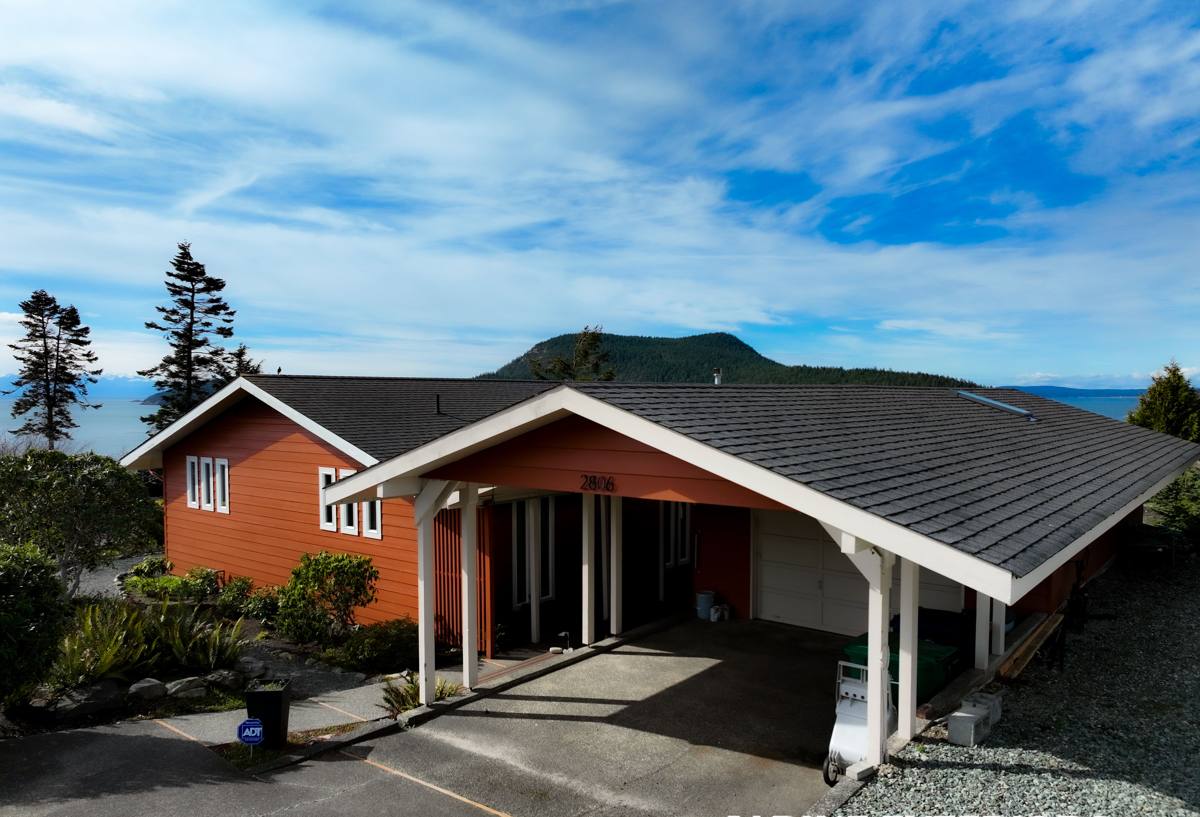
Common Signs Your Siding Needs Repair, Not Replacement
Most of the repair calls we get in Silver Beach fall into a handful of categories. Catching these early is the difference between a targeted repair and a much larger job.
- Cracked, split, or chipped boards, usually near corners or where two pieces meet
- Soft or spongy spots when you press on the siding, a sign moisture has gotten underneath
- Persistent moss or algae staining that keeps coming back after cleaning
- Gaps opening up at seams, trim, or window and door edges
- Fasteners backing out or rust streaks bleeding down from nail heads
- Paint that's bubbling, peeling, or failing in the same spots year after year
- Warping or bowing panels, particularly on north- and west-facing walls that stay damp longest
If you're seeing one or two of these on an otherwise sound wall, repair is usually the right call. If several of these show up across multiple walls, or the siding underneath is soft over a wide area, that's often a sign the whole section — or the whole house — is due for replacement rather than patchwork.
What a Correct Siding Repair Actually Involves
Diagnosing the Real Cause
A siding repair that just swaps a damaged board without figuring out why it failed is a repair that will fail again. Before we touch anything, we look at what's actually happening behind the siding — a failed flashing detail, a caulk joint that gave out, a downspout dumping water against the wall, or years of shade keeping that one section wet longer than the rest of the house. In a climate like this, treating the symptom without addressing the moisture source is how homeowners end up calling a second contractor a year later.
Matching the Existing Siding
Repairs stand out when the replacement piece doesn't match the existing siding's profile, reveal, and finish. We take care to match board width, exposure, and color as closely as the original material allows so the repaired section blends in rather than becoming an obvious patch. On older homes with discontinued siding profiles, the honest answer is sometimes that a full section replacement will look better and last longer than piecing in a mismatched board.
Sealing and Flashing Details
Most of the siding failures we see in this area trace back to a flashing or sealant detail that wasn't done right the first time — around a window, at a butt joint, or where siding meets trim. A correct repair re-establishes proper water-shedding at every one of these transitions, not just where the damage is visible. Skipping this step is the single most common shortcut that leads to repeat repairs.
Repair or Replace? How We Help You Decide
Not every damaged section needs to come down to bare studs, and not every house is a good candidate for spot repair. Here's how we generally think through it:
| Situation | Repair Usually Makes Sense | Replacement Usually Makes Sense |
|---|---|---|
| Damage extent | Isolated to one or two boards or a single wall section | Spread across multiple walls or the full exterior |
| Siding age | Newer siding, otherwise in good condition | Original siding is decades old and near the end of its service life |
| Moisture behind siding | Localized, source identified and fixable | Widespread soft sheathing or long-term water intrusion |
| Material match | Matching material is available or close enough | Discontinued profile, a patch will always look mismatched |
| Repair history | First repair on this wall | Repeated repairs on the same section year after year |
We'll always give you a straight answer on which category your home falls into, and we won't push a full replacement when a repair will genuinely hold up.
Our Process on Silver Beach Jobs
Assessment and Estimate
We walk the exterior, identify every problem area (not just the one you called about — a second trouble spot is common once we're up close), and check for moisture behind the siding at suspect locations. You get a written estimate that spells out what's being repaired and why, with no pressure to upsell into a full replacement if it isn't warranted.
The Repair Itself
Damaged material comes out, the sheathing and weather barrier underneath get inspected and repaired if needed, and new material goes in with correct fastening, flashing, and sealant at every joint. We match paint or finish as closely as possible to the surrounding siding.
Cleanup and Follow-Up
We clear debris, check that gutters and downspouts near the repair are directing water away from the wall (a common contributor to repeat damage on shaded, tree-lined lots), and walk the finished work with you before we call the job done.
Why James Hardie Is What We Use for Patches and Section Replacements
We install and repair with James Hardie fiber cement exclusively — we don't install vinyl, LP SmartSide, or wood siding. When a repair calls for new material, that's what goes on the wall. Hardie's fiber cement doesn't absorb water the way wood does, doesn't warp or buckle the way vinyl can in temperature swings, and holds its ColorPlus factory finish without the repeated repainting that wood and primed products need in a wet climate. For a neighborhood that deals with as much sustained moisture and shade as Silver Beach, that durability matters more than it does in drier parts of the state.
If you currently have wood, vinyl, or another fiber cement brand and need a repair, we'll patch it correctly with compatible material where that's the right call. But if a section has failed repeatedly, or a larger repair starts to approach the cost of replacement, we'll walk you through what switching that section — or eventually the whole house — to Hardie would look like, and let you decide.
Why a Crew That Already Works Silver Beach Matters
Siding repair in a neighborhood like this isn't quite the same job as siding repair on an open, sunny lot across the county. We already know which wall orientations hold moisture longest under the tree cover here, which older homes in the area were built with siding profiles that are harder to match, and how the combination of salt air and shade accelerates wear compared to other parts of Whatcom County. That local knowledge means fewer surprises once we open up a wall, and a repair that's built to handle this specific climate rather than a generic one.
It also means we're not learning the neighborhood on your project. We can talk through what we've seen on similar homes nearby, give you a realistic sense of how long a repair should last given your home's exposure, and flag problem areas before they become expensive ones.
Maintaining Your Siding After the Repair
A good repair still needs basic upkeep to get its full lifespan out of it, especially in a climate that stays damp as long as this one does.
- Rinse siding annually to keep moss and algae from taking hold, especially on shaded, north-facing walls
- Keep gutters clear so water isn't overflowing directly onto siding below
- Trim back trees and shrubs where you can to improve airflow and sun exposure
- Re-caulk joints and trim as they show wear, before gaps let water behind the siding
- Walk the exterior once or twice a year and catch small problems before they spread
Cost Factors for Siding Repair in This Area
Repair costs vary based on a handful of factors, and we'll give you specifics for your home during the estimate rather than a number pulled out of thin air. In general, expect these to move the price up or down:
| Factor | Effect on Cost |
|---|---|
| Size and number of damaged sections | More boards and more locations mean more labor and material |
| Hidden moisture damage | Rotten or soft sheathing behind the siding adds scope once uncovered |
| Accessibility | Second-story walls, steep grades, or tight side yards common on Silver Beach lots add time |
| Material match | Discontinued profiles or custom color matching can add cost or lead time |
| Underlying cause | Fixing a flashing or drainage problem behind the siding adds scope but prevents repeat failure |
We'd rather find hidden damage during the estimate walk-through than after we've opened up the wall, so we look closely before we quote.
If you're seeing damaged, stained, or failing siding on a Silver Beach home, we're happy to take a look and give you a straight, no-pressure estimate on what it would take to fix it right. Use the form below to request a free assessment from a crew that already knows this neighborhood's climate.