 Chuckanut Exterior
 Windows Built for Silver Beach's Weather, Not a Catalog Average
Silver Beach sits close enough to the water that the weather here isn't quite the same as it is a few miles inland. Homes take on salt-laden air, wind-driven rain that comes in sideways off the water, and long stretches of gray, damp months where moss and mildew get a real foothold on anything that stays wet. Windows are one of the first things on a house to show that wear — clouded glass, swollen sashes, frames that won't latch cleanly, or trim that's gone soft and dark at the corners.
We install custom windows for Silver Beach homes with that specific exposure in mind. That means paying attention to frame material, weatherstripping, flashing details, and how the window ties into the wall assembly — not just picking a size and dropping it in. A window that performs fine in a dry inland neighborhood can fail early here if it's not detailed for coastal moisture.
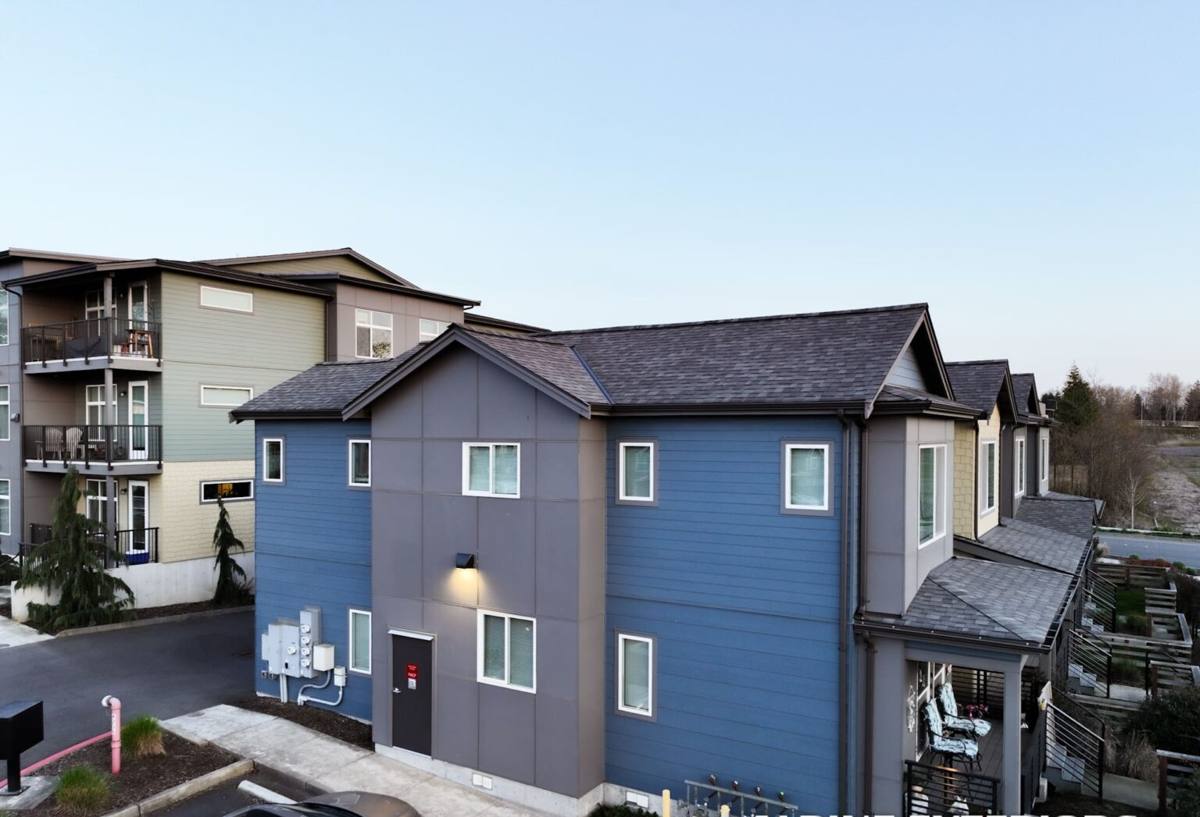
What Salt Air, Driving Rain, and Moss Season Actually Do to Windows
It helps to understand the specific ways this climate attacks a window, because it explains why some products and installation shortcuts don't hold up long term.
Salt Air
Airborne salt is corrosive to unprotected metal hardware — hinges, locks, and cheaper aluminum components can pit and stiffen faster near the water than they would a few miles inland. It also accelerates the breakdown of some sealants and finishes over time.
Driving Rain
Wind-driven rain doesn't just fall on a window, it gets pushed into every gap, seam, and fastener hole under pressure. A window that's watertight in a calm rain test can still leak in a real Whatcom County storm if the flashing and sill pan weren't detailed to shed water actively, not just passively.
Moss and Sustained Dampness
Our long wet season means wood trim, sills, and even some composite products stay damp for days at a time in shaded or north-facing spots. That's exactly the environment moss, algae, and mildew need to establish. Once organic growth gets into a seam or a joint, it holds moisture against the material and speeds up rot or finish failure.
Signs Your Silver Beach Home Needs Window Attention
Most window problems don't show up as one dramatic failure — they build slowly. Homeowners in this neighborhood typically notice one or more of the following before calling us:
- Fogging or a permanent haze between the panes of a double-pane window (the seal has failed)
- Wood sills or frames that feel soft, spongy, or are visibly dark and swollen
- Green or black staining at corners and joints that keeps coming back even after cleaning
- Windows that are hard to open, close, or lock — often a sign the frame has shifted or swollen
- A noticeable draft or cold spot near the window in windy weather
- Paint or finish that's peeling specifically around the window, even if the rest of the siding looks fine
- Higher heating bills with no other obvious cause
Any one of these on its own isn't an emergency, but they're worth having looked at before the underlying wall framing gets involved — that's a bigger and more expensive repair than the window itself.
Choosing the Right Window Materials for This Climate
There's no single "best" window material for every home — it depends on the home's exposure, your maintenance preferences, and budget. Here's how the common options actually perform in a salt-air, high-rainfall environment like Silver Beach.
| Material | How It Handles This Climate | Maintenance |
|---|---|---|
| Vinyl | Doesn't rot or corrode from salt air; performs well if welded corners and quality weatherstripping are used | Low — occasional cleaning |
| Fiberglass | Very stable in temperature swings and moisture, strong resistance to warping | Low — durable finish |
| Wood (unclad) | Handsome, but most exposed to rot and moss growth in wet, shaded areas without diligent upkeep | High — regular painting/sealing |
| Wood-clad (aluminum or vinyl exterior) | Good compromise — wood interior warmth with a weather-resistant exterior shell | Moderate — check cladding seams periodically |
| Aluminum (uninsulated) | Can corrode faster near salt air and conducts cold, leading to condensation | Moderate to high |
We don't push one material on every home. Some Silver Beach houses are better served by low-maintenance vinyl or fiberglass, especially on wet or shaded elevations, while others — particularly homes with a wood-forward architectural style — do well with clad wood on the exterior and real wood inside, as long as the cladding and flashing are detailed correctly. We'll walk through the trade-offs for your specific house rather than defaulting to whatever's easiest to sell.
What a Correct Installation Involves
Most window failures we get called out to fix aren't a bad window — they're a window that was installed without proper attention to water management. In this climate, installation detail matters as much as the product itself.
Sill Pan Flashing
A sloped, sealed sill pan under the window gives any water that does get past the exterior a way to drain back out instead of pooling against the framing. This is one of the most commonly skipped steps in budget installs, and it's one of the most important in a high-rainfall area.
Integrated Water-Resistive Barrier Tie-In
The window's flashing needs to be properly lapped into the house wrap or building paper above and below the opening, following a shingle-style layering so water is always directed outward and down, never trapped behind the siding.
Fastening and Shimming
A window that's not shimmed square and fastened per the manufacturer's spec can warp slightly over time, which stresses the seal and leads to air and water infiltration years before it should. Proper shimming also keeps the sash operating smoothly.
Sealant Selection
Not every exterior sealant is rated for the temperature range and UV exposure we get here. We use products matched to the window manufacturer's requirements so the warranty stays intact and the seal actually lasts.
Our Process, Start to Finish
Homeowners generally want to know what to expect, so here's the shape of a typical Silver Beach window project:
- On-site assessment. We look at each window's current condition, the wall assembly behind it, and the specific exposure of that elevation (a north-facing wall that stays shaded and damp gets treated differently than a sun-exposed south wall).
- Material and style discussion. We go over frame material, glass package, and grille/style options based on your home's architecture and your maintenance preferences, with honest trade-offs — not upsells.
- Measurement and ordering. Custom windows are measured precisely for each opening; lead times vary by manufacturer and product line.
- Removal and prep. Old windows are removed carefully, and we inspect the framing underneath for any hidden rot or moisture damage before anything new goes in — this is often where older Silver Beach homes reveal problems that had been hidden behind trim.
- Flashing and installation. Sill pan, flashing tie-in, shimming, and fastening are done to manufacturer and code specification, not shortcuts.
- Sealing and finish work. Interior and exterior trim, caulking, and paint or finish touch-up to match the surrounding siding.
- Final walkthrough. We check operation, locking, and weatherseal on every window before calling the job done.
Maintenance That Actually Extends Window Life Here
Even the best window benefits from a little seasonal attention in a climate like ours. This is the routine we recommend to homeowners in the Silver Beach area:
- Rinse salt residue and grime off exterior glass and frames a few times a year, especially after storms
- Keep gutters and downspouts clear so runoff isn't sheeting directly across window heads
- Trim back vegetation that keeps a window shaded and damp — moss needs sustained moisture to take hold
- Check and re-caulk any cracked or gapped exterior sealant before the wet season sets in
- Lubricate hardware (locks, hinges, tracks) periodically to counter salt-air stiffness
- Wipe down sills after heavy rain events if water tends to pool there
- Have seals and flashing inspected every few years, especially on older or wood-framed windows
Why a Crew That Already Works Silver Beach Matters
General window installation knowledge only goes so far here. A crew that regularly works this neighborhood already knows which elevations tend to take the worst weather, how moss establishes itself in the shaded, damp corners typical of homes near the water, and what flashing details actually hold up through a full Whatcom County winter — not just what looks right on installation day. That local pattern recognition is the difference between a window that's watertight for one season and one that's still performing correctly ten years from now.
We also stand behind our own installation work, which matters more in this climate than almost anywhere else in the region — a window product warranty typically covers the unit itself, not water damage from a flashing mistake, so installation quality is where the real long-term protection comes from.
Get a Straightforward Estimate
If your Silver Beach home has windows that are fogging, drafting, sticking, or just showing their age, we're glad to come take a look. There's no pressure and no sales script — just an honest assessment of what your windows need and what it would take to fix it right. Use the form below to request a free estimate.