 Chuckanut Exterior
 Asphalt Shingle Roofing Built for Silver Beach Conditions
Silver Beach homes sit in a stretch of Whatcom County where roofs rarely get a break. Salt-laden air moves in off the water, driving rain comes in sideways for months at a time, and the moss season stretches longer here than it does further inland. An asphalt shingle roof that would hold up fine in a drier climate can start showing granule loss, algae streaking, and soft spots within a few years if it wasn't installed with this specific environment in mind. We install and repair asphalt shingle roofing for homes in Silver Beach and the surrounding Chuckanut area, and our approach is shaped around what actually happens to a roof here over time, not just what a shingle warranty says on paper.
Asphalt shingles remain the most practical roofing choice for the vast majority of homes in this area. They're durable when installed correctly, repairable in sections rather than requiring a full tear-off for minor damage, and available in a wide range of price points and appearances. The key word is "installed correctly" — in a climate this wet, the difference between a roof that lasts its full expected lifespan and one that fails early almost always comes down to installation detail, not the shingle brand itself.
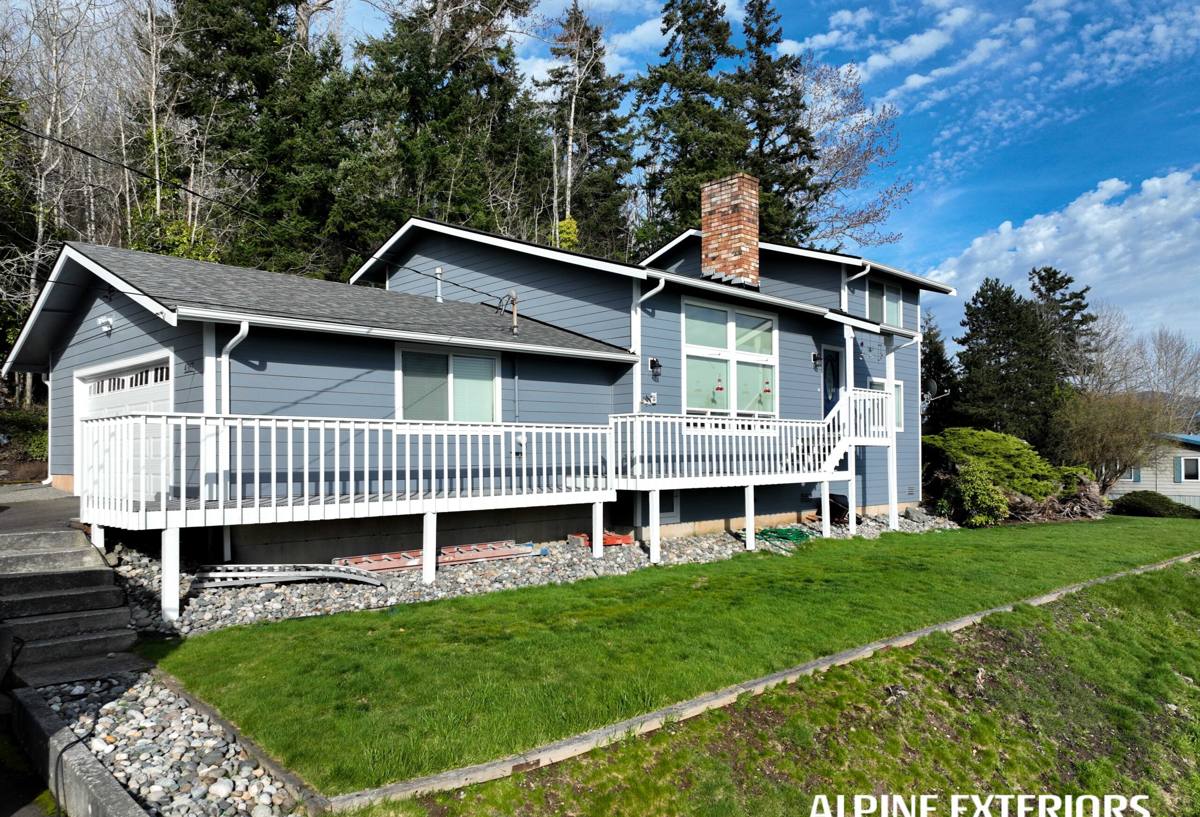
What Silver Beach's Climate Actually Does to a Roof
Three conditions define roofing wear in this part of Whatcom County, and each one demands something specific from a shingle roof:
Salt Air
Airborne salt accelerates corrosion on any exposed metal — nail heads, flashing, and fasteners. Over years, this can lead to premature rusting at flashing points and around penetrations like vent pipes and chimneys, which is often where leaks start even though the shingles themselves look fine.
Driving Rain
Rain that comes in at an angle, rather than falling straight down, gets pushed under shingle edges, into valleys, and around flashing far more aggressively than vertical rainfall. This makes underlayment quality, valley detailing, and flashing overlap far more important here than in calmer climates.
Extended Moss Season
Shade from mature trees, persistent moisture, and cooler temperatures for much of the year create ideal conditions for moss and algae growth on north-facing and shaded roof slopes. Moss doesn't just look bad — it holds moisture against the shingle surface, lifts shingle edges as it grows, and shortens the roof's usable life if left unaddressed.
What a Correct Shingle Roof Installation Involves
A shingle roof is only as good as the layers underneath it. When we install or replace a roof in Silver Beach, the shingles are the visible finish — but most of the work that determines how long the roof actually lasts happens before a single shingle goes down.
Tear-Off and Deck Inspection
We remove the old roofing down to the deck rather than layering new shingles over old ones. This lets us inspect the sheathing for soft spots, rot, or water staining that a layover would simply hide. Any damaged decking gets replaced before anything new goes on.
Underlayment
Given how much driving rain this area sees, underlayment choice matters more here than in drier regions. We use synthetic or ice-and-water shield underlayment at vulnerable areas — eaves, valleys, and around penetrations — to create a backup barrier in case wind-driven rain gets past the shingles themselves.
Flashing
Flashing around chimneys, skylights, vent pipes, and roof-to-wall transitions is where most leaks originate, not the open field of shingles. We install new flashing rather than reusing old, corroded pieces, and pay particular attention to overlap and sealant at these joints given the corrosive effect of salt air on metal over time.
Ventilation
Proper attic ventilation keeps moisture from condensing under the roof deck from the inside, which is just as damaging as leaks from the outside. Balanced intake and exhaust ventilation also helps regulate temperature swings that stress shingles over time.
Nailing Pattern
Manufacturer-specified nailing patterns matter for wind resistance, and this area sees its share of winter storms. Improper nailing is one of the most common causes of premature shingle blow-off, and it's invisible from the ground until it fails.
Choosing the Right Shingle for a Silver Beach Home
Not every asphalt shingle is built the same way, and the right choice depends on your roof's exposure, budget, and how long you want it to go before the next replacement. Here's how the common tiers compare for this specific climate:
| Shingle Type | Typical Lifespan | Moss/Algae Resistance | Best For |
|---|---|---|---|
| 3-Tab Asphalt | 15-20 years | Standard, no built-in resistance | Budget-conscious replacements, secondary structures |
| Architectural (Laminate) | 25-30 years | Better if algae-resistant granules specified | Most Silver Beach homes; balance of cost and durability |
| Algae-Resistant Architectural | 25-30 years | Copper or zinc granules resist streaking | Shaded lots, north-facing slopes, homes near mature trees |
| Premium/Designer Shingle | 30+ years | Varies by product line | Homeowners prioritizing appearance and longevity together |
For most Silver Beach properties, we recommend at minimum an architectural shingle with algae-resistant granules, particularly on any slope that sits in shade for a meaningful part of the day. The upcharge over a standard shingle is modest compared to the maintenance and premature wear it prevents.
Moss and Algae: Prevention Matters More Than Cure
Because moss season runs long here, we treat moss and algae resistance as a design consideration, not an afterthought. That means specifying algae-resistant shingles on shaded slopes, keeping overhanging branches trimmed back where we can advise on it, and, where a homeowner wants it, installing zinc or copper strips near the ridge that release trace amounts of metal ions with each rain to inhibit regrowth. None of these measures make a roof maintenance-free — nothing does in this climate — but together they significantly slow how fast moss and algae come back after a cleaning.
We don't recommend pressure washing shingle roofs. It's an aggressive method that strips protective granules and can shorten shingle life faster than the moss it's removing. Soft washing or manual moss removal, done carefully and on a reasonable schedule, is the safer approach for asphalt shingles specifically.
Repair or Replace: How We Help You Decide
Not every roofing problem in Silver Beach means a full replacement. A localized leak, a section of storm-damaged shingles, or deteriorating flashing around a single penetration can often be repaired without touching the rest of the roof. The factors that push toward full replacement are different from what pushes toward a targeted repair:
| Factor | Favors Repair | Favors Replacement |
|---|---|---|
| Roof age | Under 15 years | Approaching or past expected lifespan |
| Damage extent | Isolated to one area or slope | Widespread granule loss, curling, or multiple leak points |
| Deck condition | Sound, no rot found | Soft spots or water staining across multiple areas |
| Moss/algae history | First occurrence, manageable | Recurring heavy growth despite past cleaning |
| Underlying materials | Underlayment and flashing still sound | Original underlayment aged out or improperly installed |
We inspect before we recommend either path, and we'll tell you honestly if a repair is the right call even when a replacement would be the larger job. A roof that only needs a repair doesn't need to become a sales opportunity.
Signs a Silver Beach Roof Needs Attention
Because so much roof damage in this climate starts hidden — under moss, behind flashing, inside the attic — it helps to know what to watch for before a small issue becomes a ceiling stain. Signs worth calling about include:
- Granules collecting in gutters or at downspout outlets
- Shingles that appear cupped, curled, or cracked, especially on south- or west-facing slopes
- Visible moss growth, particularly on shaded or north-facing sections
- Dark streaking that doesn't wash away with light rain
- Rust staining near vent pipes, flashing, or chimney bases
- Daylight visible through the roof deck from inside the attic
- Soft or spongy feeling decking noticed during any attic access
- Higher-than-usual heating bills, which can point to attic moisture or ventilation problems
Our Process, Start to Finish
We keep the process straightforward because a roofing project is disruptive enough without added confusion. It starts with an on-site inspection where we look at the shingles, flashing, and — where accessible — the attic and decking from underneath. From there we give you a clear, written scope of what needs to happen and why, along with shingle options suited to your roof's exposure. Once a project is scheduled, we protect landscaping and gutters before tear-off begins, replace any compromised decking as it's found, install new underlayment and flashing, and finish with the shingle system you've chosen. We do a final walk-through and clean up the site, including a magnetic sweep for stray nails, before we consider the job done.
Why Local Experience in Silver Beach Matters
A roofing crew that regularly works in Silver Beach and the broader Chuckanut area already knows which slopes tend to hold moss longest, how far driving rain typically pushes under poorly sealed valleys, and which flashing details fail first under salt air exposure. That familiarity shows up in the details — the underlayment choice at a shaded valley, the extra attention on north-facing flashing, the shingle recommendation for a lot surrounded by mature trees. It's the difference between a roof that's technically installed to code and one that's actually built for how this specific stretch of Whatcom County weathers a house year after year.
If your roof is showing wear, due for replacement, or you just want an honest read on its condition, we're glad to take a look. Reach out for a free, no-pressure estimate using the form below.