 Chuckanut Exterior
 Siding Repair in Sehome: What Local Homes Are Up Against
Homes in and around Sehome deal with a specific combination of weather that doesn't let up for long. Salt-laden air off the water works into seams and fasteners year-round. Driving rain, pushed sideways by wind off the Salish Sea, finds every gap in flashing and caulk that a calmer climate would never expose. And Whatcom County's long, damp moss season keeps north- and shade-facing walls wet for weeks at a stretch, even when it isn't actively raining. Siding here isn't just a design layer — it's the thing standing between that weather and the framing, sheathing, and insulation underneath it.
When siding fails in this climate, it rarely fails all at once. It starts as a soft spot behind a downspout, a hairline crack that lets water track behind a board, or a patch of moss holding moisture against the wall longer than the material was built to handle. By the time a homeowner notices a visible problem, there's usually been months or years of slow water intrusion happening out of sight. That's the reality any honest siding repair in Sehome has to be built around.
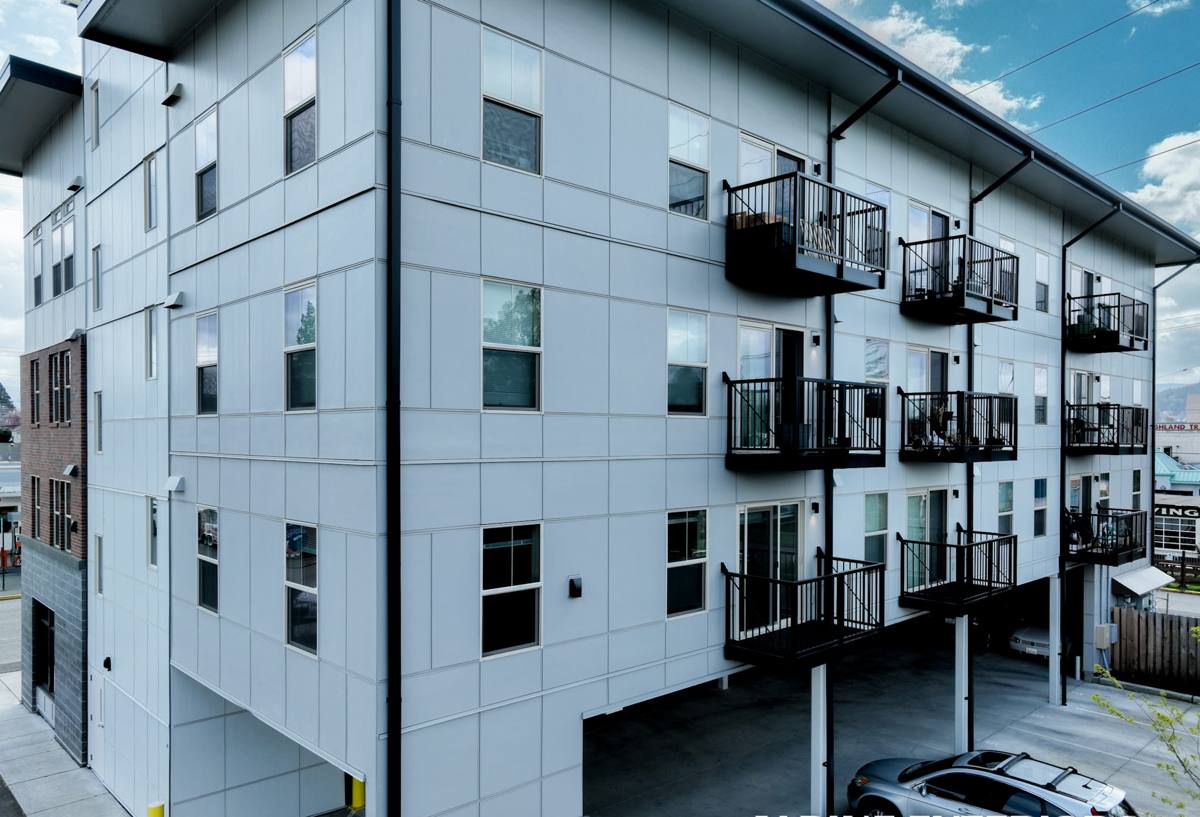
Signs Your Sehome Home Needs Siding Repair
Some damage is obvious. Some isn't — and the damage you can't see is usually the kind that costs the most to ignore. Here's what we look for, and what we recommend homeowners check for themselves between visits.
Visible warning signs
- Cracked, warped, or buckled siding panels or boards, especially near corners and window trim
- Soft or spongy spots when you press on the siding, particularly low on the wall or below windows
- Paint that's bubbling, peeling, or failing faster than the rest of the house
- Persistent moss, algae, or dark streaking on shaded or north-facing walls
- Gaps opening up around trim, window frames, or where two siding pieces meet
- Visible staining or discoloration that spreads rather than staying in one spot
Signs the damage has gone deeper
If you notice sagging siding, a musty smell near an exterior wall, interior drywall staining on a wall that backs up to problem siding, or soft trim boards, the moisture has likely reached the sheathing or framing behind the siding. That's no longer a cosmetic repair — it's a moisture intrusion problem that happens to show up as damaged siding.
What a Correct Siding Repair Actually Involves
A repair that just covers the visible damage without addressing why it happened will fail again, often faster the second time. A repair done right starts with diagnosis, not demolition.
Finding the actual cause
Before we touch a single board, we're looking at what let water in: failed caulking, damaged flashing above a window or door, a gap where two dissimilar materials meet, a downspout dumping water against the wall, or a section of siding installed too close to grade or a deck surface. Replacing the damaged panel without fixing the cause just resets the clock on the same failure.
Checking what's behind the siding
Once damaged material is removed, we check the weather-resistive barrier and flashing underneath. If the barrier is torn, improperly lapped, or missing at a critical point like a window head, that gets corrected before anything new goes back on. This is the step that separates a repair that lasts from one that just looks fixed.
Matching material and finish
A repair that stands out as an obvious patch isn't a good repair, even if it's structurally sound. Matching board profile, reveal, and factory finish color matters — both for the home's appearance and for making sure the new section performs the same way as the surrounding siding under the same weather load.
Why We Repair With James Hardie Fiber Cement
We only install James Hardie fiber cement siding, and that includes repair work. It's a deliberate standard, not a brand preference. In a climate defined by salt air, sustained rain, and moss, the material doing the repair needs to hold up the same way the original siding was expected to.
Fiber cement doesn't rot, and it isn't a food source for the moss and mildew that thrive in shaded, damp corners of a Sehome lot. It's also non-combustible, which matters more each year as wildfire smoke seasons stretch later into the summer across the Pacific Northwest. James Hardie's HZ5 product line is engineered specifically for climates like this one — freeze-thaw cycling, sustained moisture exposure, and coastal air — rather than a one-size-fits-all national spec. And because it comes with a factory-applied ColorPlus finish, a well-matched repair holds its color the same way the original installation does, instead of weathering differently and becoming a visible patch within a year or two.
We don't repair Hardie siding with vinyl, LP SmartSide, or other engineered wood patches, even when it would be faster or cheaper in the moment. Mixing materials on a wall almost always means mixing failure rates — one section starts showing wear while the rest of the wall is still solid, and you're back to patching again sooner than you should be.
Repair Material Comparison
| Material | Moisture Behavior in This Climate | Moss/Algae Resistance | Finish Match Over Time |
|---|---|---|---|
| James Hardie fiber cement | Does not absorb and swell; dimensionally stable | Not an organic food source; cleans up easily | Factory ColorPlus finish weathers evenly with existing siding |
| Engineered wood (e.g., LP SmartSide) | Wood-based; vulnerable if edges or seals are compromised | Requires diligent maintenance to prevent growth | Field-applied paint can weather differently than factory finish |
| Vinyl | Doesn't rot, but can warp or gap with age and temperature swings | Moderate; growth sits on the surface | Color is baked into the panel but fades unevenly over years |
Repairing vs. Replacing: How We Make the Call
Not every damaged section needs a full re-side, and not every repair is worth doing on its own. We look at the extent and pattern of the damage before recommending either path.
| Factor | Points Toward Repair | Points Toward Replacement |
|---|---|---|
| Extent of damage | Isolated to one wall or a few boards | Recurring across multiple elevations |
| Age of existing siding | Relatively young, still under warranty | Near or past expected service life |
| Underlying sheathing condition | Sound, dry, no rot found on inspection | Soft, delaminated, or water-stained sheathing found |
| Cause of failure | A single fixable source (flashing, caulk, downspout) | Systemic issue — original installation defects or wrong material for the site |
We'll always tell you honestly which category your home falls into. If a targeted repair will genuinely hold, that's what we recommend — a full replacement isn't the right answer just because it's the bigger job.
Our Process for Sehome Siding Repair Jobs
- On-site inspection. We walk the exterior, check problem areas you've flagged, and look for damage patterns you may not have noticed — especially on shaded or north-facing walls where moss and moisture linger longest.
- Diagnosis and a clear plan. We explain what caused the damage, what repair scope actually addresses it, and give you a straightforward estimate before any work starts.
- Removal and inspection behind the siding. Damaged panels come off, and we check the weather-resistive barrier and flashing underneath before closing anything back up.
- Correcting the root cause. Flashing gets repaired, gaps get properly sealed, and any drainage issue contributing to the damage gets addressed — not just papered over.
- Installing matched James Hardie material. New boards or panels are installed to match the existing profile, reveal, and finish color as closely as possible.
- Final walkthrough. We go over the completed work with you and point out anything else worth keeping an eye on going forward.
Why a Crew That Already Works Sehome Matters
Siding repair done by someone unfamiliar with this specific stretch of Whatcom County often misses the local pattern — treating every job like a generic repair instead of accounting for how salt air, wind-driven rain, and moss actually behave against a Sehome-area home. A crew that regularly works this neighborhood already knows which elevations tend to take the worst weather, how moss builds up differently depending on tree cover and sun exposure, and what a properly detailed repair needs to look like to actually hold up through another wet season.
There's also a practical advantage to working with a crew based nearby: faster response when you spot a problem, easier scheduling for a follow-up look, and a contractor who's still around next year if a question comes up — not a crew that did one job in the area and moved on.
A Few Things to Check Before You Hire Anyone for Siding Repair
- Are they diagnosing the cause of the damage, or just quoting to replace the visible boards?
- Do they check the weather-resistive barrier and flashing behind removed siding, or just close it back up?
- Will the repair material and finish actually match what's already on the wall?
- Are they licensed and insured to do exterior work in Washington?
- Can they explain, plainly, why they're recommending repair over replacement (or vice versa) for your specific situation?
Get a Straightforward Look at What Your Siding Needs
If you're seeing cracked boards, soft spots, spreading moss, or paint that's failing faster than it should on a Sehome-area home, it's worth getting a professional look before the damage spreads further behind the wall. We'll give you an honest assessment of what's actually going on, what a proper repair involves, and a straightforward estimate — no pressure, no upsell. Use the form below to request your free estimate.