 Chuckanut Exterior
 Why Sehome Windows Wear Out Faster Than the Warranty Says
Every window comes with a manufacturer warranty that assumes a fairly ordinary climate. Sehome doesn't have an ordinary climate. Between the salt-laden air moving in off the water, the long stretches of driving, wind-pushed rain, and a moss season that can run half the year in shaded lots, windows here are asked to do more than the spec sheet accounts for. Seals get tested more often. Sills stay damp longer between dry spells. Hardware corrodes faster than it would fifty miles inland.
None of that means windows fail quickly in Chuckanut. It means the margin for a sloppy install is smaller. A window that's slightly under-flashed or caulked instead of properly sealed might go five years without an obvious problem in a dry climate. In Whatcom County, the same shortcut usually shows up as rot, fogging, or a drafty room well before that.
What "Custom" Actually Means on a Job Like This
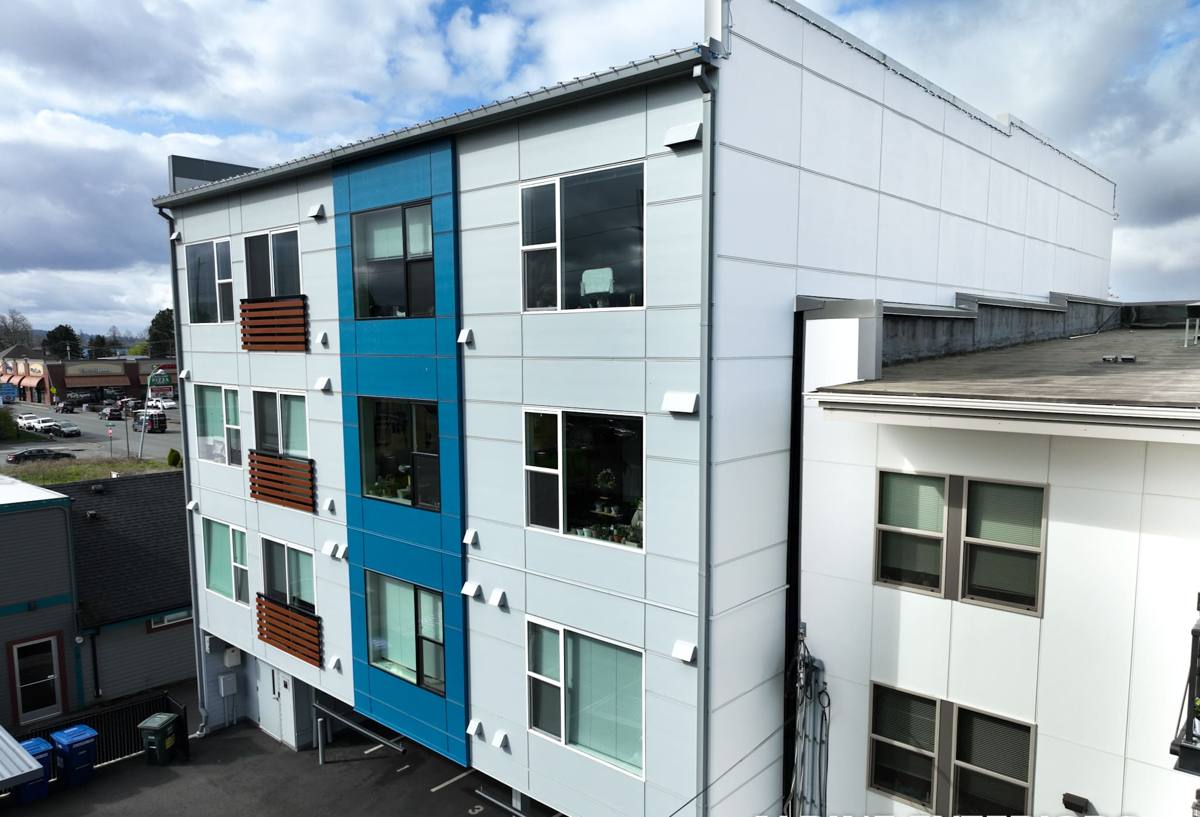
Custom windows aren't just about odd shapes or oversized openings, though we do plenty of that in Sehome's older homes where rough openings were never standard sizes to begin with. Custom means the window is built and installed to match the actual wall it's going into — the exact opening dimensions, the existing siding profile, the direction it faces, and how much weather that side of the house actually takes.
A window on a wall that catches wind-driven rain off the water needs different sealing and flashing detail than one tucked under a deep eave on the leeward side of the same house. Treating every opening the same way is how call-backs happen.
Window Styles That Actually Hold Up Here
- Casement windows — the crank mechanism pulls the sash tight against the frame, which compresses the seal harder than a double-hung sash resting under gravity. That matters when wind is pushing rain sideways.
- Fixed and picture windows — fewer moving parts, fewer seals to fail, good for walls that take heavy weather but don't need to open.
- Double-hung windows — still the right call for a lot of homes, especially where matching an existing architectural style matters, but they need a well-detailed sill pan since water can sit against the bottom rail.
- Awning windows — useful on lower walls where you want ventilation but not a direct path for rain to blow in, since the sash hinges at the top and sheds water outward.
The Parts of an Install That Actually Determine How It Performs
The window unit itself is maybe half the job. The other half is what happens at the opening before and after that unit goes in, and it's the part homeowners can't easily inspect once the trim is back on.
Flashing and the Sill Pan
A sill pan under the window opening gives any water that gets past the exterior seal somewhere to go besides the wall framing. In a climate with this much sustained rain, we treat a sill pan as standard, not an upgrade. Combined with correctly lapped flashing tape at the head, jambs, and sill — in the right order, so upper layers overlap lower ones — this is what actually keeps water out over the life of the window, not the caulk bead.
Sealant Selection and Placement
Not every sealant is rated for constant damp exposure, and even a good sealant fails if it's the only thing keeping water out. We treat sealant as backup to proper flashing, applied at the right joints, not as the primary weather barrier. Cheap or misapplied sealant is one of the most common reasons a five-year-old window starts leaking.
Insulation Around the Frame
Gaps between the window frame and the rough opening need to be filled with a material that stays flexible and doesn't compress permanently — not stuffed with fiberglass batting, which holds moisture against the frame if any water does get through. This is also where a lot of the draft complaints homeowners have about "bad windows" actually originate.
Material Comparison for a Salt-Air, High-Moss Climate
| Frame Material | Salt Air / Moisture Behavior | Maintenance Load | Where It Fits Best in Sehome |
|---|---|---|---|
| Vinyl | Won't corrode or rot; can discolor over many years of UV and salt exposure | Low — occasional cleaning | Most standard replacements, budget-conscious projects |
| Fiberglass | Very stable in moisture and temperature swings, resists warping | Low | Larger openings, homes with more direct weather exposure |
| Wood | Needs a well-maintained exterior finish or cladding or it will absorb moisture and rot | High — repainting/resealing on a cycle | Historic or architecturally specific homes where wood interior trim matters |
| Aluminum-clad wood | Cladding protects the exterior face from moisture and salt; interior stays wood | Moderate | Homes wanting a wood interior look without the full wood maintenance burden |
We don't push one material as universally "best" — we size the recommendation to the wall, the exposure, and what the homeowner is willing to maintain. A wood window on a wall that takes direct, driving rain is a maintenance commitment we make sure the homeowner understands going in, not a surprise two years later.
How We Approach a Sehome Window Project
- On-site assessment — we look at each opening individually: which direction it faces, current condition of the sill and framing, signs of past water intrusion, and how the existing siding meets the window.
- Measurement and product selection — exact rough opening dimensions, matched to a frame material and glass package suited to that wall's exposure.
- Removal and opening inspection — once the old unit is out, we check the framing underneath for rot or moisture damage before anything new goes in. This is often where problems from a prior install get found.
- Sill pan and flashing installation — done in the correct shingle-lap order so water sheds outward at every layer.
- Window installation and shimming — set plumb, level, and square, with proper fastening per the manufacturer's instructions so the warranty stays valid.
- Insulation, interior and exterior sealing, trim — closing up the opening correctly on both sides.
- Final check — operation, seal, and drainage test before we call it done.
Signs Your Current Windows Are Losing the Fight
- Fogging or moisture between the panes — the seal on the insulated glass unit has failed
- Visible moss or algae growth on the sill, frame, or exterior trim around the window
- Soft or discolored wood trim near the window, inside or out
- A draft you can feel even with the window fully latched
- Difficulty opening, closing, or latching — often a sign the frame has shifted or swollen
- Paint or finish peeling specifically around the window opening rather than the wall generally
- Condensation forming on the interior glass regularly through fall and winter
Any one of these on its own isn't necessarily urgent. Several showing up on the same window, or on multiple windows on the same exposed wall, usually means the water management around the opening has broken down and it's worth having someone look before it reaches the framing.
What Actually Drives Cost
We're not going to quote a number here that doesn't mean anything without seeing the openings, but the real cost drivers on a Sehome project are consistent enough to lay out plainly:
| Factor | Why It Matters |
|---|---|
| Frame material | Vinyl is generally the least expensive; wood and larger fiberglass units cost more |
| Opening condition | Rot or moisture damage found during removal adds repair work before the new window goes in |
| Glass package | Low-E coatings and gas fill add cost but pay back in comfort and condensation control in this climate |
| Number and size of openings | Larger or non-standard sizes cost more per unit than stock sizes |
| Exterior finish work | Matching existing siding or trim around a resized opening adds labor |
Living With Windows in a Moss-Prone, Salt-Air Climate
Even a well-installed window benefits from a little seasonal attention here. Clearing moss and debris off sills and tracks before it holds moisture against the frame, checking that exterior caulking hasn't cracked after a hard winter, and making sure gutters aren't overflowing onto window heads all extend the life of the install well past what the manufacturer warranty covers. We walk homeowners through this after every install — it's a five-minute check a couple times a year, not a maintenance program.
Why It Matters That We Already Work in This Neighborhood
A crew that's worked openings in Sehome has already seen how the specific exposure in this part of Chuckanut treats a window over time — which walls take the worst of the driving rain, which lots hold moss longest, where salt air does the most damage to hardware and screens. That's not something you get from a spec sheet; it's from having pulled old windows out of these walls and seen exactly what failed and why. It shapes how we flash an opening, which sealant we trust for that exposure, and which material we'll actually recommend instead of just what's cheapest to install.
If you're weighing whether it's time to replace windows on your Sehome home, or you're planning a custom opening as part of a larger project, we're glad to come take a look. The estimate is free, there's no pressure, and you'll get a straight answer about what your specific walls actually need — use the form below to get started.