 Chuckanut Exterior
 Windows Built for the York Stretch of Chuckanut
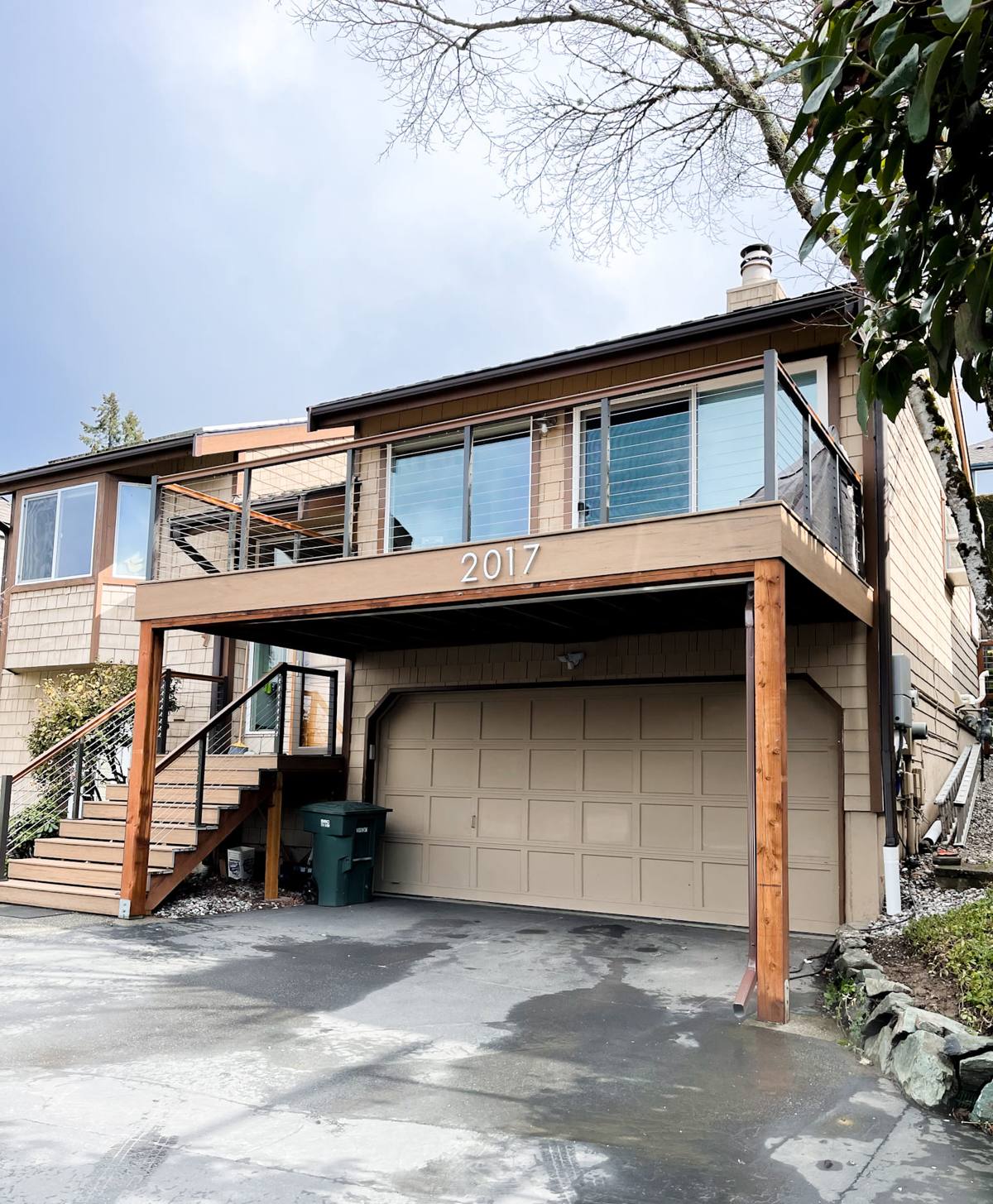
Homes in the York area near Chuckanut sit in one of the more demanding window environments in Whatcom County. You've got salt-laden air drifting in off the water, driving rain that hits siding and window walls sideways during winter storms, and a long stretch of the year when moss, moisture, and low sun combine to keep everything damp longer than it should be. Windows that would hold up fine in a drier inland climate often show their weaknesses here first — fogged glass, swollen sashes, corroded hardware, and cold drafts that show up well before the window is old enough to have earned them.
This page is about one thing: replacing windows the right way for a York-area home, with materials and installation details chosen for this specific climate, not a generic Pacific Northwest average.
What the Local Climate Actually Does to Windows
Salt Air
Even homes set back from the water pick up salt in the air, especially during winter storm systems. Salt accelerates corrosion on exposed metal hardware — hinges, locks, balance systems, and screen frames — years before it would fail in a non-coastal setting. It also degrades some sealants and finishes faster than manufacturers' standard warranties assume, which is why hardware quality and finish specification matter more here than the sales brochure numbers.
Driving Rain
Chuckanut's exposure to wind-driven rain means water isn't just falling on windows, it's being pushed sideways and upward into gaps that would stay dry in calmer weather. A window that's watertight in a lab test can still leak on this stretch of Whatcom County if the flashing, sill pan, and sealant details around it weren't done correctly. Most window leaks we're called out to fix are not a bad window — they're a bad installation around a fine window.
Moss Season
The long stretch of cool, wet months creates conditions where moss and mildew can take hold anywhere moisture sits — on sills, in corners, along trim, and inside poorly ventilated frame cavities. Wood components that aren't properly sealed or clad are especially vulnerable. Once moisture gets behind a window's exterior trim, it can sit there for months before anyone notices, which is why sealing details matter as much as the window unit itself.
What a Correct Installation Involves
The window product is maybe half the job. The other half is everything around it — and in a climate like this, that half determines whether you get twenty-plus years of trouble-free performance or a callback in three years.
- Sill pan flashing — a sloped, sealed pan under the window opening that directs any water that does get past the window back outside, instead of into the wall cavity.
- Proper flashing sequence — house wrap, flashing tape, and window flanges layered so water always sheds downward and outward, shingle-style, never trapped behind a layer above it.
- Correct shimming and square installation — a window that's not plumb, level, and square will bind, leak at the corners, and wear out its hardware and weatherstripping faster.
- Low-expansion foam and backer rod, not just caulk — caulk alone at the perimeter is not an air seal; it needs backing behind it to work and last.
- Exterior trim and caulk joints sized for movement — wood and composite trim expand and contract with our wet-to-dry cycles, and joints need room to move without cracking open.
Skipping any one of these doesn't usually cause a problem on day one. It causes a problem in year three or four, after a few full wet seasons have worked on the gaps — which is exactly why installation quality is harder to judge at the time of the sale than the window brand is.
Choosing the Right Window Material for This Climate
There's no single "best" window material for every home — it depends on your home's exposure, your budget, and how much upkeep you want to take on. Here's how the common options actually perform in a salt-air, high-rainfall setting like Chuckanut.
| Material | Behavior in Salt Air & Rain | Upkeep | Where It Fits Best |
|---|---|---|---|
| Vinyl | Good corrosion resistance since the frame itself doesn't rust; hardware quality still matters | Low — no painting or sealing needed | Most York-area homes wanting solid performance without ongoing maintenance |
| Fiberglass | Very stable in wet, salty conditions; expands and contracts close to glass, reducing seal stress | Low | Homes with direct wind and rain exposure, or larger window openings |
| Aluminum-clad wood | Exterior clad protects the wood from rain, but any breach in the cladding lets moisture reach wood underneath | Moderate — seams and joints need periodic inspection | Homes prioritizing a wood interior look, away from direct salt spray |
| Bare wood | Most vulnerable to moss, swelling, and rot in this climate without diligent upkeep | High — regular painting/sealing required | Historic homes where exterior wood profiles are a requirement, with a maintenance plan in place |
For most York-area replacements, we steer homeowners toward vinyl or fiberglass because they hold up with the least ongoing intervention in exactly the conditions this neighborhood sees most — driving rain and salt-laden air. When a home's character calls for a wood interior look, aluminum-clad options let you keep that while putting a weather-resistant material on the outside face.
Glass and Performance Factors That Matter Here
Whatcom County's climate is heating-dominated, not cooling-dominated, so the glass package should be chosen with that in mind:
- Low-E coatings tuned for heat retention keep warmth in during our long cool season, which is where most of the energy savings actually come from.
- Argon or krypton gas fills between panes add insulating value without adding meaningful cost or complexity.
- Warm-edge spacers reduce cold spots at the glass edge, which is where condensation and eventual seal failure typically start on lower-quality units.
- Tight air-infiltration ratings matter as much as the glass itself for cutting drafts in a windy, exposed location.
How We Handle a York Window Replacement
The process is straightforward, but we don't skip steps just to move faster:
- On-site assessment — we look at each opening individually. Sun exposure, wind exposure, existing water damage, and framing condition all affect the recommendation, even within the same house.
- Material and glass selection — matched to that specific opening's exposure, not a one-size answer for the whole house.
- Removal and opening inspection — old windows come out carefully so we can check the framing and sheathing underneath for hidden moisture damage before anything new goes in.
- Flashing and sill pan installation — done to the sequence described above, every time, regardless of whether the old installation had it.
- Window setting, shimming, and fastening — plumb, level, square, and fastened per the manufacturer's wind and structural requirements for our exposure.
- Insulation, sealing, and interior/exterior trim — sealed for air and water, then finished to match the home.
- Final walkthrough — every window operated, checked, and cleaned before we consider the job done.
Signs Your Current Windows Are Already Costing You
A lot of window problems in this climate show up gradually, so homeowners get used to them before recognizing they're a symptom of a failing window. Worth checking for:
- Visible fog or moisture between panes of double- or triple-glazed windows (a failed seal)
- Drafts you can feel near the frame edges on a windy day
- Sashes that stick, drag, or won't stay open on their own
- Soft or discolored wood trim around the window, inside or out
- Moss or dark staining building up on sills or exterior trim
- Noticeably higher heating bills compared to similar-sized homes nearby
- Condensation forming on the inside of the glass in cold weather
Any one of these on its own might not mean much. Several together, especially on windows original to an older home, usually means the frame and seal system is past the point where caulking or weatherstripping fixes will hold.
Why Hiring a Crew That Already Works in York Matters
Window installation done "by the book" for a generic climate isn't the same as installation done right for this one. A crew that regularly works the Chuckanut area already knows which details can't be shortcut here — the flashing sequence that actually sheds wind-driven rain, the hardware finishes that hold up against salt air, and the trim details that don't trap moisture through a wet season. That's not something you get from a manufacturer's install manual alone; it comes from having done the work on homes with the same exposure, season after season.
It also means someone accountable for the work is close by if a question comes up after the install — not a call center, and not a crew that only passes through the area once.
Caring for New Windows After Installation
Energy-efficient windows installed correctly need very little upkeep, but a little seasonal attention goes a long way in this climate:
- Rinse frames and tracks periodically to clear salt residue and debris before it accumulates
- Clear moss or organic buildup from sills and adjacent trim before it holds moisture against the surface
- Check exterior caulk joints once a year for cracking or separation, especially after a hard winter
- Operate every window through its full range a few times a year so hardware doesn't seize from disuse
Get a Straightforward Estimate
If your windows are original to the house, feeling drafty, or showing the early signs listed above, it's worth having someone look at them in person rather than guessing from the outside. We'll walk your York-area home, tell you honestly which windows need attention and which can wait, and put together a no-pressure estimate using the form below.