 Chuckanut Exterior
 Why Roof Repair Looks Different in Sedro-Woolley
A roof in Sedro-Woolley works harder than most people realize. Between the salt-laden air drifting in off the Chuckanut coastline, long stretches of driving rain, and a moss season that can run nine or ten months out of the year, roofing materials here age on a different clock than they do further inland. Fasteners corrode faster. Underlayment stays damp longer between storms. Moss doesn't just sit on the surface — it works its way under shingle tabs and around flashing, holding moisture against the deck long after the rain has stopped.
That climate reality is exactly why roof repair in this area isn't a one-size-fits-all job. A patch that would hold up fine in a dry, low-wind region can fail here within a season if it doesn't account for wind-driven rain finding its way under laps, or moss regrowth undoing a repair from the inside out. Good repair work in Whatcom County starts with understanding how the local weather attacks a roof, not just what's visibly broken today.
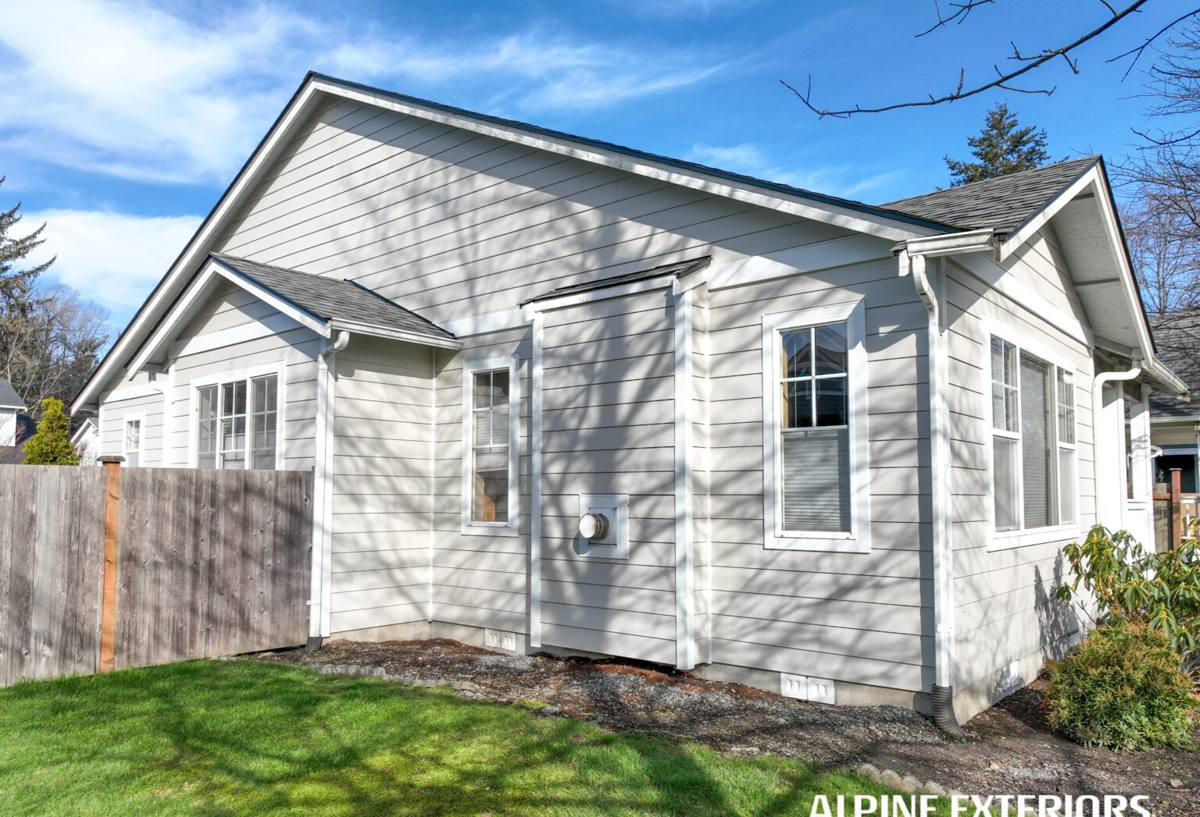
Signs a Sedro-Woolley Roof Needs Repair
Most roof problems in this region show up as slow, quiet damage rather than a dramatic failure. Homeowners usually notice one of these first:
Interior and Attic Clues
Water stains on ceilings or upper walls, a musty smell in the attic, or insulation that feels damp to the touch are all signs that water is getting past the roof covering somewhere — often at a flashing point rather than in the open field of the roof.
Exterior Clues
Look for shingles that are cupping, curling, or missing granules; dark green or black streaking that signals algae and moss growth; sagging sections along valleys or eaves; and rusted or lifted flashing around chimneys, skylights, and vent pipes. Any one of these is worth a look before the next round of heavy rain.
Moss and Debris Buildup
Moss holds water against the roofing material and, over time, lifts shingle edges as it grows. A moss-covered roof isn't automatically failing, but it's a roof that's aging faster than it should — and it often hides smaller repair issues underneath until they've had time to grow.
What a Correct Repair Actually Involves
A repair that lasts starts with an accurate diagnosis, not a guess based on where the stain shows up inside the house. Water travels along the underlayment and framing before it drips, so the visible leak point is often several feet from the actual entry point. We trace it back to the source before doing any work.
Matching the Existing Material
Whenever possible, repairs should use materials that match the existing roof in type, profile, and where practical, color and age — a mismatched patch stands out and can also create a slightly different drainage path than the surrounding shingles were designed for.
Flashing and Underlayment First
The majority of leaks we find in this area trace back to flashing — around chimneys, skylights, dormers, and roof-to-wall transitions — rather than failed shingles themselves. A proper repair replaces or re-seals the flashing and underlayment underneath, not just the shingles on top. Covering a bad flashing detail with new shingles is a temporary fix at best.
Addressing the Cause, Not Just the Symptom
If moss buildup, poor ventilation, or clogged gutters contributed to the damage, we address that root cause as part of the repair. Patching a leak without dealing with the moss or drainage issue that caused it usually means calling a roofer back out within a year or two.
Roofing Materials Common in the Area & How Repairs Differ
The right repair approach depends heavily on what's already on the roof. Here's how the materials we most commonly work on in Whatcom County hold up to salt air, rain, and moss, and what that means for repair work:
| Material | Common Issue in This Climate | Repair Approach | Moss & Moisture Notes |
|---|---|---|---|
| Asphalt composition shingle | Granule loss, curling, algae staining | Section replacement matched to existing shingle, flashing re-seal | Moss lifts tabs at the edges first; easiest material to spot-repair |
| Wood shake/shingle | Moss and moisture retention, splitting | Individual shake replacement, targeted moss removal | Most moss-prone material; needs closer, more frequent monitoring |
| Metal roofing | Fastener corrosion from salt air, seam wear | Fastener replacement, sealant renewal at seams and penetrations | Sheds moss well but fasteners are the weak point near the coast |
| Flat/low-slope membrane | Ponding water, seam separation | Seam re-welding or patching, drainage correction | Poor drainage compounds moss and algae growth on low-slope areas |
Whatever the material, the underlying goal is the same: stop water intrusion at its source and restore the roof's ability to shed rain and resist moss the way it was designed to.
Our Repair Process
1. Inspection and Honest Assessment
We walk the roof (weather permitting) and check the attic from the inside, looking for the actual source of any leak rather than just the symptom. We'll tell you plainly if what you're dealing with is a straightforward repair or if the roof is old enough that repair money would be better put toward replacement.
2. Clear, Written Scope and Estimate
You get a written explanation of what we found, what we recommend, and why — before any work starts. No pressure to upsell a full replacement when a repair will genuinely hold up.
3. The Repair Itself
We remove the damaged material down to sound decking, address the flashing and underlayment, install matching material, and re-seal all penetrations. Any moss in the repair area is cleared as part of the work, not left in place around a fresh patch.
4. Cleanup and Follow-Up
We clear debris and old material from the property, do a final check for any missed spots, and let you know what to watch for going forward — including how the local moss season may affect maintenance timing.
Moss Prevention and Maintenance Between Repairs
A repair holds up longer when it isn't fighting moss regrowth from day one. A few habits make a real difference in a climate like this one:
- Keep overhanging branches trimmed back so the roof gets more sun and air movement, which slows moss growth.
- Clear gutters and valleys of needles and debris each fall, since trapped organic material holds moisture against the roof edge.
- Have moss physically removed rather than just treated when it's built up — chemical treatment alone doesn't fix material that's already been lifted or damaged.
- Check attic ventilation; poor airflow traps moisture from inside the house against the underside of the roof deck.
- Schedule a walk-through inspection after major wind or rain events, since flashing and fasteners are where damage shows up first.
- Address small leaks immediately — a small flashing repair now is far cheaper than deck and insulation replacement later.
What Affects the Cost of a Roof Repair
Every repair is different, but the price is generally driven by a handful of factors rather than the roof's overall size:
Scope of Damage
A single flashing re-seal costs far less than a repair that involves replacing damaged decking underneath, which only becomes clear once the old material is removed.
Roof Access and Pitch
Steep pitches, multiple stories, or roofs surrounded by landscaping that limits ladder and equipment placement add time and cost to otherwise straightforward repairs.
Material Match
Matching an older or discontinued shingle profile can take more time to source than a common, current product — this is worth discussing honestly if your roof is older.
Moss and Debris Removal
Roofs with heavy moss buildup need that material cleared before repair work can even begin, which is additional labor beyond the repair itself but necessary for a lasting fix.
We walk through these factors with you during the estimate so there are no surprises once work begins — broad ranges only, with specifics once we've actually seen the roof.
Why a Crew That Already Works in Sedro-Woolley Matters
Roofing crews unfamiliar with this stretch of Whatcom County sometimes underestimate how aggressively salt air and moss attack a roof compared to drier regions. A crew that regularly works Sedro-Woolley and the surrounding Chuckanut area already knows which flashing details tend to fail first in this climate, how quickly moss regrows without maintenance, and how local permitting and material availability actually work — not from a manual, but from doing the work here repeatedly.
That familiarity shows up in small but meaningful ways: knowing which underlayment holds up best against sustained driving rain, recognizing early moss damage before it becomes a structural issue, and setting realistic maintenance expectations for a roof that will see a long wet season every year. It's the difference between a repair that's technically correct and one that's actually built for where it sits.
Get an Honest Look at Your Roof
If you're dealing with a leak, visible moss damage, or just want a second opinion before winter storms roll through, we're glad to take a look. The estimate is free, there's no pressure to do more work than the roof actually needs, and you'll get a straight answer about whether you're looking at a repair or something bigger. Use the form below to request a time that works for you.