 Chuckanut Exterior
 Why Decks in the Mount Vernon Area Fail Sooner Than Homeowners Expect
Mount Vernon sits in the part of Skagit County where marine air off the Salish Sea, low winter sun, and long stretches of drizzle combine into one of the harder climates in the state for exterior wood structures. It's not any single storm that ends a deck's life out here — it's the accumulation. Salt-tinged air corrodes fasteners and connectors from the inside out, driving rain gets pushed sideways under flashing and railings by wind, and a moss season that can run from October well into April keeps every horizontal surface damp far longer than manufacturers ever tested for.
A deck built to a generic national spec, without those local conditions in mind, tends to show real problems inside eight to twelve years: soft joists near the ledger, rusted-through hardware, and boards that stay slick with algae no matter how often they're power-washed. A deck built for this specific climate — right materials, right drainage details, right fastener grade — should give you decades, not a decade.
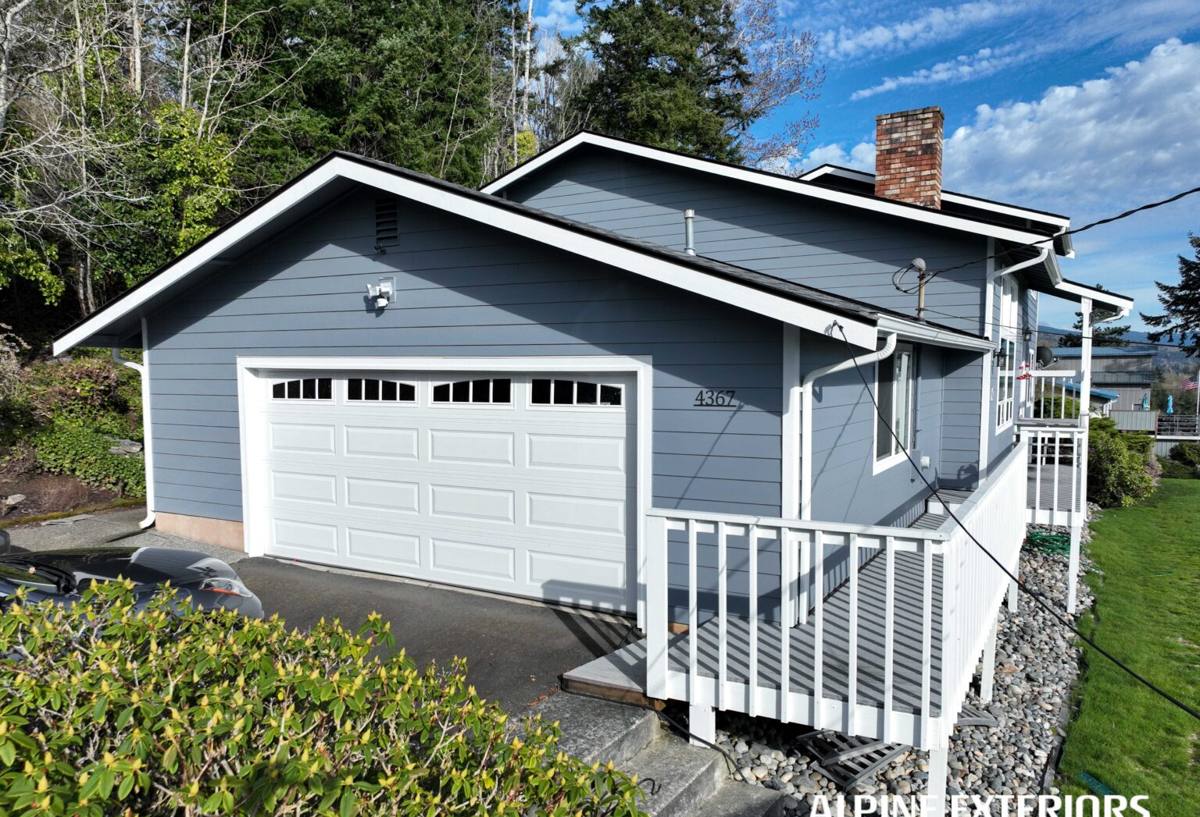
Signs You're Looking at Replacement, Not Repair
Not every tired-looking deck needs to come out. But there's a point where patching boards is just delaying a bigger problem, and spending money past that point is money wasted. Here's what tells us a deck is past the repair stage:
- Soft or spongy decking near the house, especially close to the ledger board where water collects
- Visible rot, rust streaks, or crumbling wood at post bases and stair stringers
- A ledger board that's separating from the house rim joist, or flashing that's clearly failed
- Railings that flex or feel loose when you lean on them — a structural issue, not a cosmetic one
- Persistent green or black moss growth that returns within weeks of cleaning, even on newer boards
- Joists or beams that show rot, splitting, or insect damage when you look underneath the deck
- A deck that predates current connection and flashing standards, even if the surface boards look fine
That last point matters more than most homeowners realize. A deck can have brand-new decking on top and still be unsafe underneath if the ledger attachment, joist hangers, or post footings were never built to today's standard. Surface repairs don't fix structural problems — they just hide them until they can't be hidden anymore.
What a Correct Deck Replacement Actually Involves
The Ledger and Structural Connection
The single most common failure point on any deck in a wet climate is the ledger board — the piece that bolts the deck to your house. Water that gets behind a poorly flashed ledger has nowhere to go, and it will quietly rot the rim joist and even the house framing behind it long before anything looks wrong on the surface. A correct replacement means proper ledger flashing, code-compliant lag bolts or through-bolts (not just nails), and in many cases a small air gap or flashing detail that lets water drain instead of pooling against the house.
Footings and Post Bases
Ground contact is where moisture and freeze-thaw cycling do the most damage over time. We check that footings sit below frost depth, that posts are held up off the concrete with proper post bases rather than buried or set directly on grade, and that any existing footings we're reusing are actually sound before we build on top of them again.
Framing and Fasteners
In a salt-air, high-moisture environment, fastener grade isn't a place to cut corners. Standard galvanized hardware corrodes faster here than it would inland — we use hot-dip galvanized or stainless connectors and coated structural screws rated for the treated lumber and decking material being used, so the frame doesn't become the weak point ten years from now.
Choosing the Right Decking Material for This Climate
There's no single "best" decking material — there's a best material for your budget, your maintenance appetite, and how much shade and moss exposure your specific yard gets. Here's how the common options actually perform once they've been through a few Skagit County winters:
| Material | Upfront Cost | Maintenance | Moss & Algae Behavior | Typical Lifespan Here |
|---|---|---|---|---|
| Pressure-treated wood | Lowest | Annual cleaning and periodic sealing required | Absorbs moisture; needs regular cleaning to stay ahead of growth | 10-15 years |
| Cedar | Moderate | Sealing every 1-2 years to hold color and resist moisture | Naturally more rot-resistant but still needs upkeep in shade | 15-20 years |
| Composite decking | Higher | Occasional washing, no sealing or staining | Won't rot, but surface can still grow algae in shaded, damp spots | 25-30+ years |
| PVC/capped polymer | Highest | Lowest maintenance of the group | Best resistance to moisture absorption and staining | 25-30+ years |
Composite and capped polymer boards handle standing moisture better than any wood product because they don't absorb water the way wood fibers do — that's the main reason they've become the default recommendation for decks that get heavy shade or run close to grade in this region. That said, we don't push one material on every homeowner. A well-detailed cedar or treated-wood deck, properly ventilated underneath and kept up with, is still a legitimate choice if you prefer the look and don't mind the maintenance rhythm.
How We Handle a Deck Replacement, Start to Finish
Assessment and Planning
We start underneath the deck, not on top of it. That means checking the ledger connection, footings, joists, and any hidden moisture damage before we ever talk materials or design. You get a straight answer on what's actually wrong, what's driving the cost, and what your realistic options are — not a sales pitch for the most expensive board on the truck.
Permitting and Demo
Once the scope is set, we handle the permit paperwork for the jurisdiction your property falls under and schedule the required inspections. Demo comes next — full removal of decking, railings, and any framing that isn't sound, with reusable structural elements kept only if they genuinely pass inspection.
Framing, Flashing, and Structural Rebuild
This is the stage that determines whether your new deck lasts 10 years or 30. Ledger flashing, joist hangers, post bases, and fastener grade all get built to current code, sized for this climate rather than the bare minimum.
Decking, Railings, and Finish Work
With the structure sound, we install your chosen decking material, railings, and stairs, then do a final walk-through covering drainage, gaps for seasonal wood movement, and any maintenance notes specific to the material you picked.
Permits and Inspections in the Mount Vernon Area
Most attached decks and any deck built above a certain height off grade require a building permit and inspection in Skagit County and within Mount Vernon city limits — the exact thresholds and process depend on your specific jurisdiction and property. Skipping this step is one of the more common shortcuts homeowners run into with unlicensed or out-of-town crews, and it can turn into a real problem at resale, since an unpermitted structural deck often has to be opened up and re-inspected before a sale can close. We pull the correct permit and schedule inspections as part of the job, not as an afterthought.
Why a Crew That Already Works Mount Vernon Matters Here
Deck-building advice that's generic to "the Pacific Northwest" isn't specific enough for this stretch of Skagit County. A crew that regularly works Mount Vernon knows which yards sit in enough shade to need extra attention to moss and drainage, which properties get the fuller brunt of wind-driven rain off the water, and which local building department contacts and typical turnaround times to plan around. That local familiarity shows up in small decisions — board spacing that accounts for our humidity, flashing details sized for our rain volume, fastener grade chosen for salt-air exposure — that a crew passing through the area for one job is less likely to get right by default.
Living With a New Deck Through Moss Season
Even a well-built, well-drained deck benefits from some seasonal attention here. A light sweep and rinse before the wet months set in, keeping gutters and downspouts clear so they're not dumping extra water onto the deck surface, and trimming back overhanging branches that keep boards shaded and damp all go a long way toward keeping moss from taking hold in the first place. Composite and PVC decking need far less of this than wood, but "low maintenance" isn't the same as "no maintenance" in a climate this wet.
If your current deck is showing soft spots, rusted hardware, or moss that keeps coming back no matter what you do, it's worth getting a straight assessment before another winter goes by. We're happy to take a look and put together a free, no-pressure estimate — just fill out the form below and we'll get in touch.