 Chuckanut Exterior
 Roof Replacement in Happy Valley: Built for This Stretch of the Whatcom County Coast
Homes in Happy Valley sit close enough to the water that the air itself works against a roof, year-round. Salt-laden air off the bay corrodes exposed metal faster than it would a few miles inland, driving rain off the water finds every weak seam in a roof system, and the long, damp shoulder seasons here in Whatcom County keep moss and moisture active on rooflines for most of the year. A roof replacement done right in this neighborhood isn't the same job as a roof replacement in a drier, inland part of the county. It has to account for what this specific stretch of coastline actually does to a roof over twenty, thirty, or forty years.
This page covers what Happy Valley homeowners should know before replacing a roof: what the local climate actually does to roofing materials, what a correct replacement involves, how our process works, and why it matters to hire a crew that already knows this neighborhood rather than one working here for the first time.
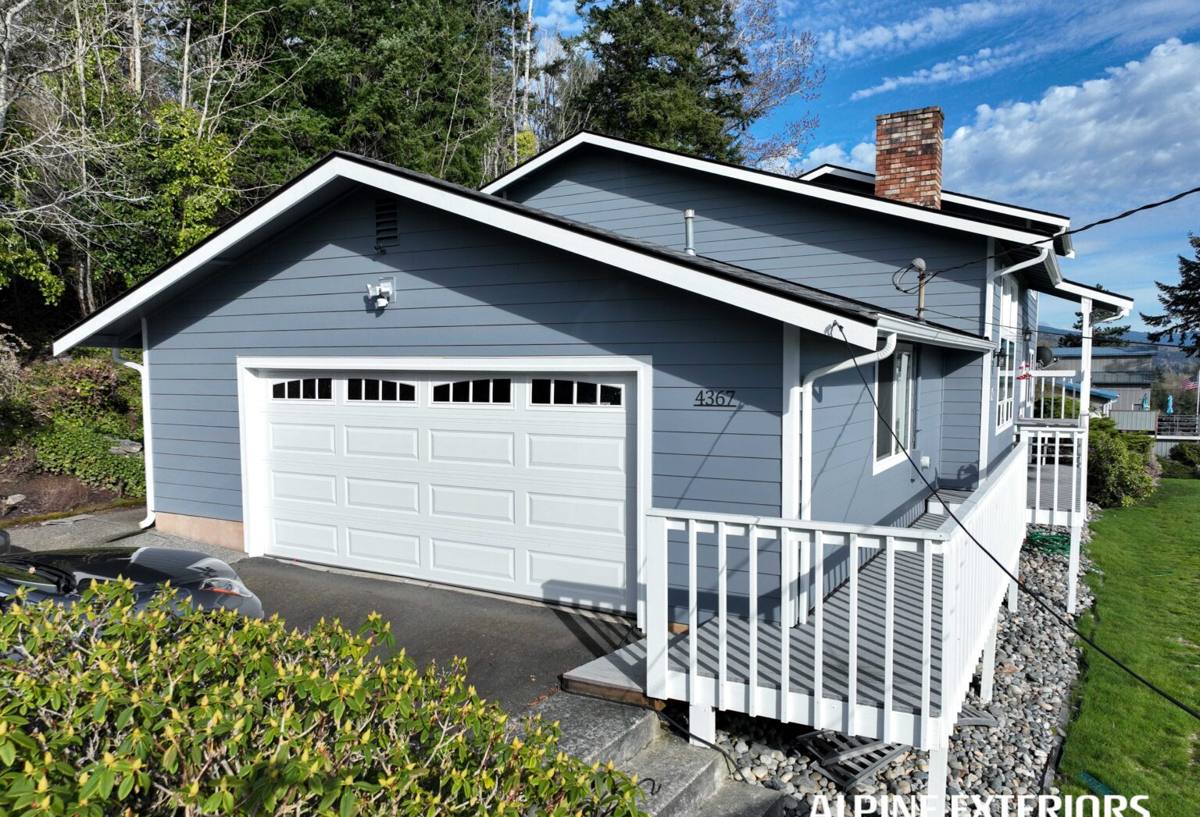
What Happy Valley's Climate Does to a Roof Over Time
Salt Air and Metal Components
Flashing, fasteners, vents, and any exposed metal on a roof are the first things to show wear near the water. Salt air accelerates corrosion on standard fasteners and untreated flashing, which is why the grade of metal used in a replacement matters more here than it would twenty miles inland. Cheap galvanized fasteners can start showing rust streaks in a fraction of the time it takes in a drier, inland location. This is a material choice, not a workmanship issue, and it's one of the first things that separates a roof that ages well here from one that doesn't.
Driving Rain and Wind-Driven Water
Chuckanut and the surrounding coastal areas of Whatcom County get rain that doesn't just fall straight down — storms off the water push it sideways under wind. That kind of driving rain finds gaps that a calmer climate would never test: under-lapped shingles, poorly sealed step flashing, valleys that weren't detailed correctly, and nail penetrations that weren't sealed. A roof that would perform fine in a low-wind, low-rain region can leak here simply because it wasn't built to handle water moving horizontally, not just down.
Moss Season and Roof Deck Moisture
Whatcom County's damp, mild climate keeps moss and moss-favorable conditions active for much of the year, not just a short window. Moss holds moisture against the roofing surface, works its way under shingle edges, and — left unchecked — can lift material and create paths for water to reach the deck. On older roofs, moss growth is often the first visible sign that a roof is past the point where cleaning and spot repair still make sense.
Signs Your Happy Valley Home Needs a Roof Replacement, Not Another Repair
Not every roof problem means a full replacement. But there's a point where patching becomes a way of postponing the same job at a higher long-term cost. Signs worth taking seriously include:
- Granule loss showing up in gutters or at downspout discharge points
- Moss or algae returning within a season or two of being cleaned
- Curling, cracking, or lifted shingle edges, especially on slopes facing prevailing wind and rain
- Soft spots or sagging when walked on, which can indicate deck damage underneath
- Water stains on interior ceilings or in the attic, particularly near valleys, chimneys, or vents
- Daylight visible through the roof deck from inside the attic
- A roof nearing or past the manufacturer's expected service life for this climate
- Repeated repairs to the same area over multiple seasons
If more than one or two of these apply, a straightforward inspection will usually tell you whether repair still makes sense or whether you're better off putting that money toward a full replacement.
What a Correct Roof Replacement Involves Here
A roof replacement is really a system, not a single product. The shingles or metal panels get the attention, but the underlayment, flashing, ventilation, and fastener choices are what determine whether that system holds up against salt air, driving rain, and moss over the long run. In this climate, we treat those components as the parts of the job that matter most, not the parts that get skipped to save time.
| Component | Why It Matters in Happy Valley | Our Standard |
|---|---|---|
| Underlayment | Backstop against wind-driven rain that gets past the surface layer | Synthetic, fully sealed at laps and penetrations |
| Flashing (valleys, walls, chimneys) | Most common failure point for water intrusion in coastal storms | Corrosion-resistant metal, custom-fit and properly lapped |
| Fasteners | Salt air corrodes low-grade metal faster near the water | Corrosion-resistant fasteners rated for coastal exposure |
| Ventilation | Poor airflow traps moisture, feeding moss and shortening deck life | Balanced intake and exhaust sized to the roof, not a single vent added as an afterthought |
| Roofing material | Needs to resist moisture uptake and hold up to wind exposure | Product matched to the home's slope, exposure, and budget |
Every one of these choices affects how well the roof performs ten and twenty years out, not just how it looks the day it's finished. A replacement that skips corrosion-resistant fasteners or under-details the flashing to save a day of labor will show it first in exactly the areas this climate stresses hardest.
Our Roof Replacement Process, Start to Finish
1. Inspection and Estimate
We start by getting on the roof, not just looking at it from the ground. That includes checking the deck condition, existing ventilation, flashing details, and any signs of moisture intrusion already underway. You get a straightforward estimate that explains what we found and why we're recommending what we're recommending.
2. Tear-Off and Deck Inspection
Once the old roofing is removed, we inspect the deck itself. Any soft, rotted, or water-damaged sheathing gets replaced before anything new goes down — installing a new roof over a compromised deck just hides the problem for a few more years.
3. Underlayment, Flashing, and Ventilation
This is where a roof either gets built to handle Happy Valley's weather or doesn't. Underlayment gets sealed at every lap and penetration, flashing is custom-fit rather than reused or generic, and ventilation is balanced to keep moisture from building up under the new roofing.
4. Installation
Materials go down to manufacturer specification, with fastener placement and spacing that hold up to wind exposure — not just the minimum needed to pass a quick look.
5. Cleanup and Final Walkthrough
We clear debris and fasteners from the property, including a magnetic sweep, and walk the finished roof with you so you know exactly what was done and what to expect going forward.
Ventilation and Moss Prevention Built Into the Job
A new roof is also a chance to fix the conditions that let moss take hold in the first place. Poor attic ventilation traps warm, moist air against the underside of the roof deck, which keeps the roofing surface from drying out fully between rain events — exactly the condition moss needs to establish itself. Overhanging branches and heavy shade do the same thing from the outside. As part of a replacement, we look at whether the current ventilation is doing its job and recommend adjustments where it isn't, rather than installing new roofing over the same airflow problem that shortened the last roof's life.
Why Hiring a Crew That Already Works Happy Valley Matters
A roofing crew that mostly works drier, inland areas of Whatcom County isn't wrong about roofing in general — they're just not calibrated to this specific exposure. A crew that regularly works Happy Valley and the surrounding coastal areas knows which fastener grades hold up, which flashing details actually stop wind-driven rain, and which roofs in this neighborhood are showing early moss return versus normal wear. That local pattern recognition is hard to replicate from a single inspection, and it shows up in fewer callbacks and a roof that ages the way it should.
It also matters for practical reasons: familiarity with local permitting, typical roof pitches and styles in the area, and realistic scheduling around this region's wetter months. A crew that knows the neighborhood plans the job around the weather instead of getting caught by it.
Cost Factors to Expect
Every roof replacement is priced around the specifics of the home, but a few factors consistently move the number in this area:
- Roof size and number of slopes, valleys, and penetrations
- Extent of deck repair needed once old roofing is removed
- Roofing material selected and its expected performance in coastal exposure
- Complexity of flashing details around chimneys, skylights, and walls
- Current ventilation and whether it needs to be corrected as part of the job
- Access and site conditions
We walk through each of these during the estimate so you understand exactly what's driving the cost, not just a final number with no explanation behind it.
Get a Straightforward Estimate
If your roof in Happy Valley is showing moss that keeps coming back, granule loss, or signs of age, it's worth having someone look at it before another wet season adds to the damage. We offer free, no-pressure estimates and will tell you honestly whether you need a full replacement or whether repair still makes sense. Use the form below to get started.