 Chuckanut Exterior
 Roof Replacement Built for Fairhaven's Marine Climate
Fairhaven sits close enough to the water that homes here take a different kind of weathering than roofs even a few miles inland. Salt-laden air off the bay, wind-driven rain that comes in sideways during winter storms, and long stretches of shade and dampness that keep moss growing nearly year-round all add up to roofs that age faster than the manufacturer's warranty label suggests. A roof replacement done right for this neighborhood accounts for all three factors, not just the shingle color.
This page covers what actually goes into a correct roof replacement for a Fairhaven home, what our process looks like from first call to final walkthrough, and why local experience matters more here than it does in a lot of other parts of Whatcom County.
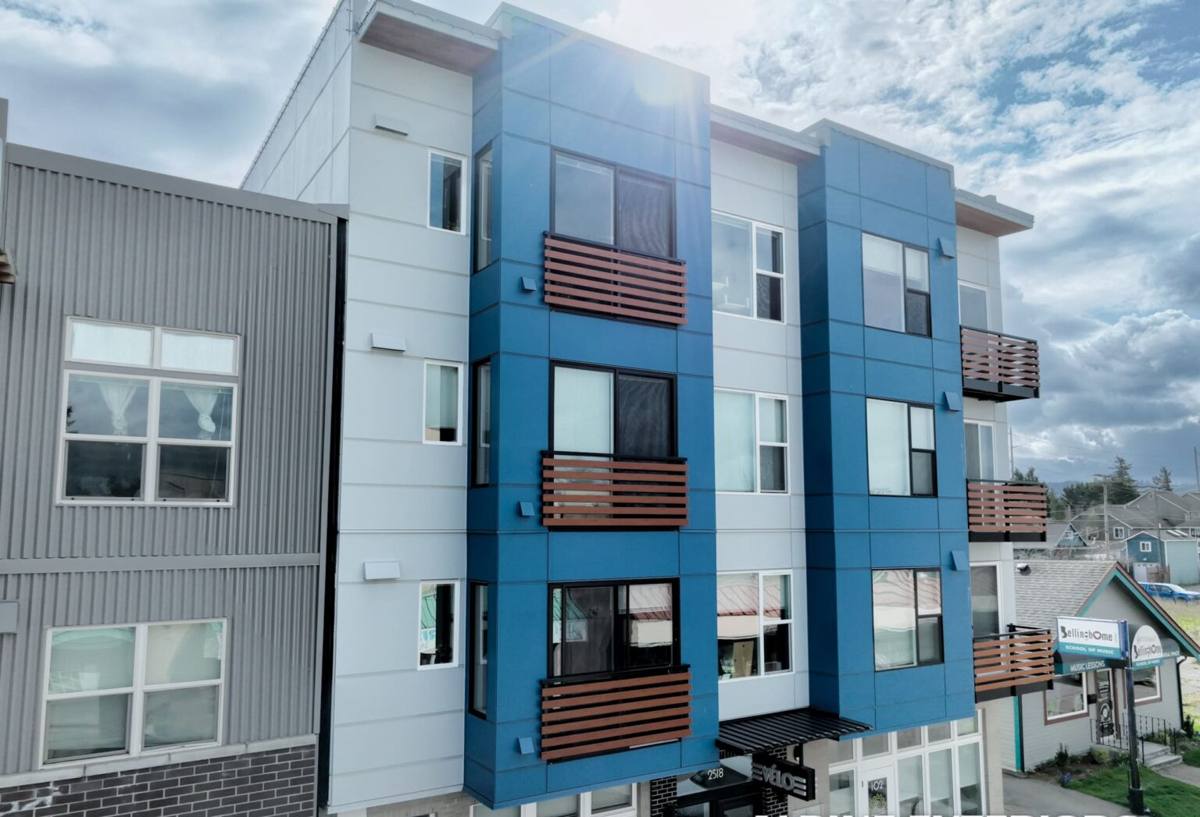
What Salt Air, Rain, and Moss Do to a Roof Over Time
None of these three forces destroy a roof on their own overnight. They work together, and slowly, which is exactly why so many roofs get replaced later than they should.
Salt Air
Airborne salt accelerates corrosion on any exposed metal — flashing, fasteners, vents, and gutter hardware. Once corrosion starts at a nail head or a flashing seam, water finds a path in long before a leak shows up inside the house.
Driving Rain
Rain that falls straight down mostly runs off. Rain that's pushed sideways by wind off the bay works its way under shingle tabs, around vent boots, and into any flashing detail that was installed with even a small gap. Over enough winters, marginal details become failures.
Moss and Shade
Moss holds moisture against the roofing material far longer than the material was designed to handle. It also grows into shingle texture and lifts tabs slightly, which gives wind-driven rain an easier way in. A roof that stays damp under moss for months at a time ages differently than one that dries out between storms.
Signs a Fairhaven Home Needs Roof Replacement, Not Another Repair
Repairs make sense when a roof has isolated damage and years of usable life left. Replacement makes sense once the underlying material has aged out, even if the roof "looks fine" from the ground. Here's how we tell the difference on an inspection.
- Granule loss heavy enough that you can see bare, shiny patches on multiple slopes, not just one spot
- Shingles that are cupping, curling, or cracking when you walk the roof
- Moss that has come back within a year or two of being cleaned off, especially on north-facing slopes
- Soft spots in the decking found during inspection, which usually means moisture has been getting through for a while
- Flashing around chimneys, skylights, or valleys that's rusted, lifted, or was patched with sealant instead of proper metal
- Repeated repairs to the same section of roof over the last several years
- Daylight visible through the roof deck from the attic, or damp insulation below
If a roof is only showing one or two of these, a targeted repair may still be the honest recommendation. We'll tell you that directly rather than push a full tear-off a home doesn't need yet.
What a Correct Roof Replacement Involves
A roof replacement is only as good as the parts nobody sees once the new shingles go down. In a salt-air, high-rain environment, these details matter more than the shingle brand printed on the wrapper.
Tear-Off and Deck Inspection
We remove old roofing down to the deck rather than layering over it. That's the only way to actually see the plywood or plank decking underneath, catch any soft or delaminated sections, and replace them before new material goes on top of a compromised base.
Underlayment and Water-Entry Protection
Synthetic underlayment across the full roof, with self-adhering ice-and-water membrane at eaves, valleys, and any low-slope transition, gives the roof a second line of defense if wind-driven rain gets past the shingles themselves — which it eventually will, in this climate, at some point in the roof's life.
Ventilation
Balanced intake and exhaust ventilation keeps the attic dry and close to outside temperature. Poor ventilation traps moisture under the deck, which shortens the life of the new roof from underneath — the same slow damage moss causes from above, just on the other side of the plywood.
Flashing, Valleys, and Penetrations
Every chimney, skylight, pipe boot, and valley is a place where two roof planes or materials meet, and it's where the vast majority of leaks originate. We use formed metal flashing tied properly into the underlayment layers, not sealant as a substitute for correct flashing geometry.
Choosing Roofing Materials for a Salt-Air, Moss-Prone Area
There's no single "best" roofing material for every home — it depends on the roof's pitch, how much shade it gets, and the homeowner's budget and maintenance appetite. Here's how the common options actually perform under Fairhaven conditions.
| Material | Moss & Moisture Behavior | Salt-Air Durability | Typical Lifespan | Maintenance Note |
|---|---|---|---|---|
| Asphalt composition shingle (algae-resistant) | AR granules slow algae/moss growth on most of the roof, though heavily shaded slopes still need periodic cleaning | Good, with corrosion-resistant fasteners and flashing | 25–30 years, climate-dependent | Lowest upfront cost, widest style/color range |
| Standing-seam metal | Smooth surface sheds moss more easily than textured materials; sheds rain fast | Requires marine-grade coatings or coastal-rated finish near the water | 40–50+ years | Higher upfront cost, low ongoing maintenance |
| Cedar shake | Absorbs and holds moisture, making it the most moss-prone option in a shaded, damp yard | Fasteners need to be corrosion-resistant; wood itself isn't affected by salt directly | 20–30 years with diligent upkeep | Highest maintenance burden — regular cleaning and treatment needed to control moss and rot |
We install all of the above, but we'll tell you honestly when a homeowner's expectations (low maintenance, long lifespan, tight budget) point toward one material over another rather than just quoting whatever's asked for.
Our Fairhaven Roof Replacement Process
- On-site inspection. We walk the roof and the attic, not just look from the driveway, and document what we find with photos.
- Written estimate. Scope, material options, and price broken down clearly, with no vague allowances buried in the fine print.
- Scheduling around the weather. We plan tear-off days around forecasted dry windows and tarp exposed sections if conditions turn — a roof shouldn't sit open overnight in this climate.
- Tear-off and deck repair. Old material off, deck inspected and repaired as needed, debris hauled and property protected throughout.
- Installation. Underlayment, flashing, ventilation, and finish material installed per manufacturer specification.
- Final walkthrough. We review the finished roof with the homeowner and go over warranty paperwork before we consider the job done.
Roof Replacement Cost Factors in Fairhaven
Every roof is priced on its own specifics, but the following items are what actually move the number up or down on a Fairhaven job:
- Total roof area and how many planes, valleys, and penetrations it has
- Roof pitch and how safely and efficiently a crew can access every section
- Number of existing layers to remove and haul away
- Condition of the decking once the old roofing comes off
- Material chosen — asphalt, metal, or wood shake carry different material and labor costs
- Whether ventilation upgrades are needed to meet current standards
- Any additional flashing or drip-edge work at chimneys, skylights, or dormers
- Time of year — scheduling flexibility in drier stretches can sometimes help avoid weather delays
Maintaining Your New Roof Through Whatcom County's Moss Season
A new roof still needs upkeep in this climate. Keeping gutters and valleys clear of needles and debris prevents standing water from sitting against shingles. A gentle, low-pressure moss treatment on shaded slopes once a year keeps growth from establishing before it can lift material. Trimming back overhanging branches where practical reduces both shade and the steady drop of organic debris that feeds moss growth. None of this is complicated, but skipping it is how a well-installed roof ends up looking prematurely worn.
Why Hire a Crew That Already Works in Fairhaven
A roofer who works this neighborhood regularly already knows which details matter here — where wind-driven rain tends to find weak flashing, which slopes hold moss longest, and how the salt air off the water affects fastener and flashing choices. That's the difference between a roof that's installed to code and one that's installed for the specific conditions it has to survive for the next few decades. We're not guessing at what Whatcom County weather does to a roof — we see it on every job.
If your roof is showing its age or you just want an honest read on how much life it has left, we're happy to take a look. Reach out below for a free, no-pressure estimate — we'll give you a straight answer either way.