 Chuckanut Exterior
 Fairhaven's Coastline Puts Extra Demands on a Roof
Fairhaven sits close enough to the water that a roof here does more work than one a few miles inland. Salt-laden air off the bay accelerates corrosion on exposed metal, driving rain off the water finds its way into any gap in flashing or underlayment, and the mix of mature tree cover and damp winters gives moss months at a time to take hold on shaded slopes. None of that is unusual for homes in this part of Whatcom County — it's just what a roof has to be built to handle if it's going to last.
An asphalt shingle roof can absolutely hold up to this climate. It's still the most practical, cost-effective roofing option for most Fairhaven homes. But "asphalt shingles" covers a wide range of products and installation quality, and the difference between a roof that lasts its full warranty term and one that starts failing at flashing points in year eight usually comes down to details most homeowners never see once the shingles are down.
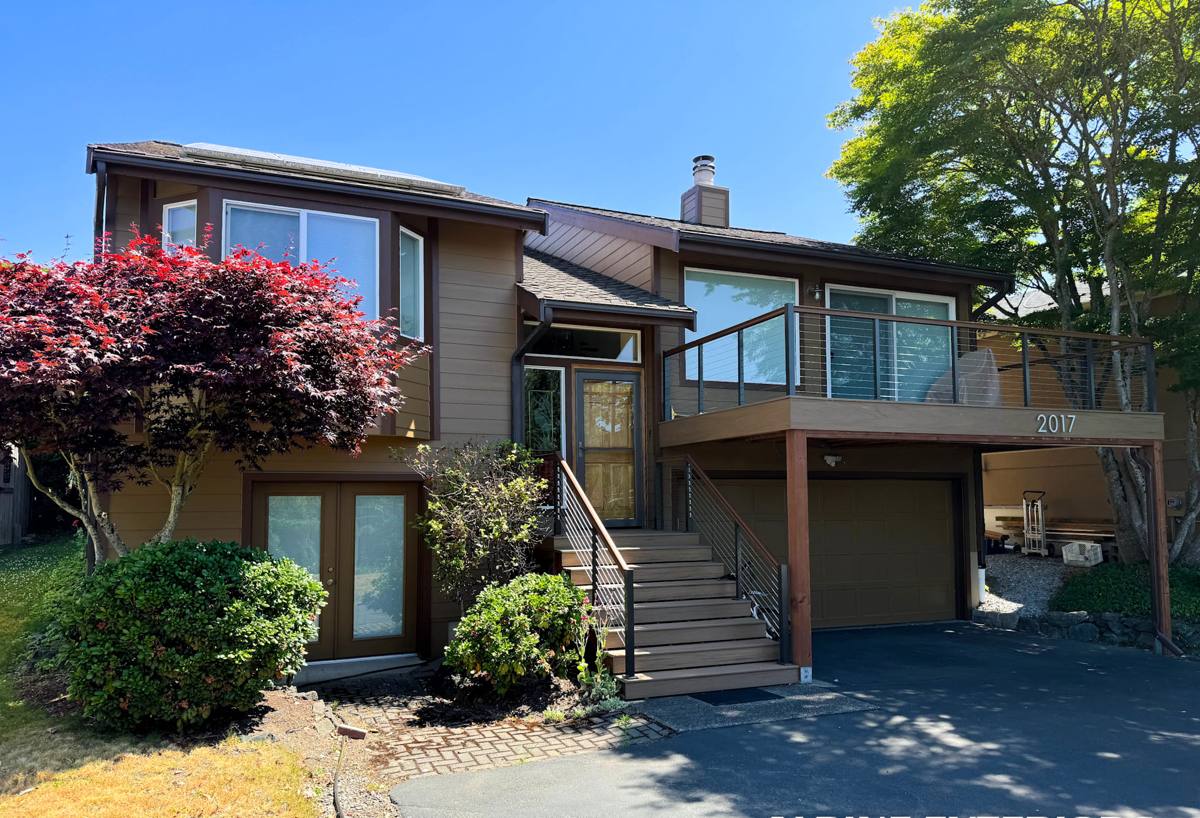
What Fairhaven's Climate Actually Does to a Roof
Salt Air and Metal Fatigue
Roofs aren't just shingles — they're also flashing, drip edge, roof vents, nail heads, and fasteners, almost all of which involve exposed metal. Salt air speeds up corrosion on anything that isn't properly coated or rated for coastal exposure. Cheap galvanized flashing or uncoated fasteners can start showing rust streaks and pinholes years before the shingles above them are due for replacement, and once flashing corrodes, water finds a way underneath it.
Moss on Shaded, North-Facing Slopes
Between fall and spring, Whatcom County gets long stretches of damp, mild weather with limited direct sun — exactly what moss needs to establish itself. North-facing slopes and roof sections shaded by trees are the usual starting points. Moss isn't just cosmetic: as it grows, it lifts shingle edges, holds moisture against the roof deck, and can work its way under tabs, which shortens the life of the shingle underneath it.
Driving Rain and Underlayment Quality
Wind-driven rain off the water doesn't fall straight down — it gets pushed sideways and upward under shingle tabs, especially around ridges, valleys, and anywhere the roofline changes. This is where underlayment and flashing quality matter more than shingle brand. A well-installed roof handles this without issue; a roof with minimal underlayment or a corner-cut flashing detail will eventually leak, usually at the least convenient time.
What a Correct Asphalt Shingle Installation Involves
A roof that's going to hold up in Fairhaven's conditions isn't just shingles nailed to a deck. Every layer underneath the shingles is doing part of the job, and skipping or shortcutting any of them shows up later as a leak, premature wear, or a shingle that blows off in the first real windstorm.
Tear-Off and Deck Inspection
We remove the old roofing down to the deck rather than layering over it. That lets us actually see the plywood or plank decking underneath and replace any sections that are soft, delaminated, or water-damaged before new shingles go down. Roofing over a compromised deck just hides a problem that gets more expensive to fix later.
Ice-and-Water Barrier and Underlayment
Self-adhered ice-and-water membrane goes in at eaves, valleys, and around every roof penetration — the spots most exposed to wind-driven rain and standing water. The rest of the deck gets synthetic underlayment as a secondary water barrier beneath the shingles. This layer is what keeps a small leak from becoming a deck problem.
Flashing at Every Transition
Step flashing at walls and chimneys, valley flashing, drip edge along eaves and rakes, and proper boots around every pipe penetration — these are the places roofs actually fail. We use corrosion-resistant flashing material given the salt air here, and we don't rely on caulk or roof cement to do a flashing detail's job.
Ventilation
Balanced intake and exhaust ventilation keeps the attic space at a reasonable temperature and moisture level year-round. Poor ventilation traps humidity, which shortens shingle life from underneath and can contribute to moss and algae growth on the roof surface. It also matters for most manufacturer warranties, which assume proper attic ventilation was part of the install.
Choosing the Right Shingle for This Climate
Most manufacturers offer several tiers of asphalt shingle, and the right choice for a Fairhaven roof depends on budget, roof complexity, and how much wind and algae resistance matters given the site's tree cover and water exposure.
| Shingle Type | Typical Lifespan | Wind Rating | Best Fit |
|---|---|---|---|
| 3-Tab | 15–20 years | Lower | Budget-focused projects, simple roof lines |
| Architectural (Laminate) | 25–30 years | Moderate to High | Most Fairhaven homes — better wind and impact resistance |
| Premium / Algae-Resistant | 30+ years | High | Shaded lots, moss-prone slopes, homes closer to the water |
For most homes in this area, we lean toward architectural shingles with algae-resistant granules built in. The upgrade cost over 3-tab is modest, and the added wind rating and moss resistance matter more here than in drier, less exposed parts of the state. We'll walk you through the real trade-offs for your specific roof rather than steering you toward whatever carries the best margin.
Our Process, Start to Finish
- Roof inspection. We walk the roof, or inspect from the eave and attic if conditions don't allow foot traffic, and check deck condition, flashing, ventilation, and moss or moisture damage.
- Written estimate. You get a clear scope of work and price before anything is scheduled — no pressure, and no surprise add-ons after the fact.
- Scheduling around weather. Asphalt shingle work needs a dry deck and reasonable temperatures to seal properly, so we schedule with Whatcom County's weather patterns in mind rather than forcing an install into a rain window.
- Tear-off and prep. Old roofing comes off, the deck gets inspected and repaired as needed, and the property is protected with tarps and plywood at landscaping and walkways.
- Installation. Ice-and-water barrier, underlayment, flashing, and shingles go in following manufacturer specifications, which is what keeps the warranty valid if you ever need it.
- Cleanup and magnetic sweep. Job site debris and stray nails are cleared before we consider the job finished.
- Final walkthrough. We go over the finished roof with you and answer any questions before wrapping up.
Maintenance That Actually Extends a Fairhaven Roof's Life
A correctly installed roof still benefits from basic seasonal upkeep, especially given the moss pressure and rain volume this area sees. None of this is complicated, but skipping it is the most common reason a shingle roof underperforms its expected lifespan.
- Clear gutters and downspouts before fall rains start, so water isn't backing up under the eave line
- Remove moss buildup on shaded slopes before it lifts shingle tabs — treat it rather than pressure-wash, which can strip granules
- Trim back tree branches that keep sections of roof shaded and damp longer than the rest of the roof
- Check flashing around chimneys, vents, and skylights annually for corrosion or lifted edges
- Have the attic checked periodically for ventilation issues or signs of trapped moisture
- Address small leaks right away — a stain on drywall is rarely the actual source point
What Affects the Cost of a Fairhaven Roofing Project
Every roof is priced individually after an on-site look, but the same handful of factors drive most of the variation in cost from one Fairhaven home to the next.
| Factor | Why It Matters |
|---|---|
| Roof size and pitch | Steeper roofs take longer and require more safety setup |
| Number of layers to remove | Tear-off of multiple old layers adds labor and disposal cost |
| Deck condition | Rotted or delaminated sheathing needs replacement before shingles go down |
| Roof complexity | Valleys, dormers, and multiple penetrations add flashing work |
| Shingle tier chosen | 3-tab, architectural, and premium products carry different material costs |
| Access and site conditions | Tight lots, mature landscaping, or difficult truck access can add setup time |
We'll walk through which of these apply to your specific roof during the estimate, so you know what's driving the number rather than getting a flat quote with no explanation behind it.
Why a Crew That Already Works in Fairhaven Matters
Roofing crews that work Fairhaven and the broader Chuckanut area regularly already know which details matter here — corrosion-resistant fasteners because of the salt air, algae-resistant shingles on shaded lots, and underlayment specs that account for how much wind-driven rain this coastline actually sees. That's not something you learn from a general roofing manual; it's something you learn from doing roofs in this exact environment, season after season.
Local familiarity also matters for practical reasons: understanding typical permitting expectations in Whatcom County, knowing how weather windows affect scheduling here, and being available quickly if a storm causes damage rather than being booked out for weeks from somewhere across the county. A crew with local roots has a reason to get the details right the first time — reputation in a community this size travels fast.
If you're weighing a roof replacement, dealing with moss or a slow leak, or just want a straight answer on how much life is left in your current roof, we're glad to take a look. The estimate is free, there's no pressure attached to it, and you'll get a clear explanation of what we find — just fill out the form below to get started.