 Chuckanut Exterior
 Why Decks in Burlington Wear Out Faster Than People Expect
If you own a home in the Burlington area near Chuckanut, you already know your deck doesn't get an easy life. Whatcom County's marine climate means moisture is almost always in the air, even on days it isn't actively raining. Add in salt-laden air off the nearby water, long stretches of overcast weather, and a moss season that can run from fall through spring, and you have a recipe for decks that age faster than the same structure would in a drier inland climate.
Most homeowners don't think about deck replacement until something fails — a soft board, a wobbly rail, a footing that's shifted. But by the time a deck is visibly failing, the damage is usually well past the point of a simple repair. Understanding what this climate does to a deck over time helps explain why replacement, done correctly, is often the more honest recommendation than patching.
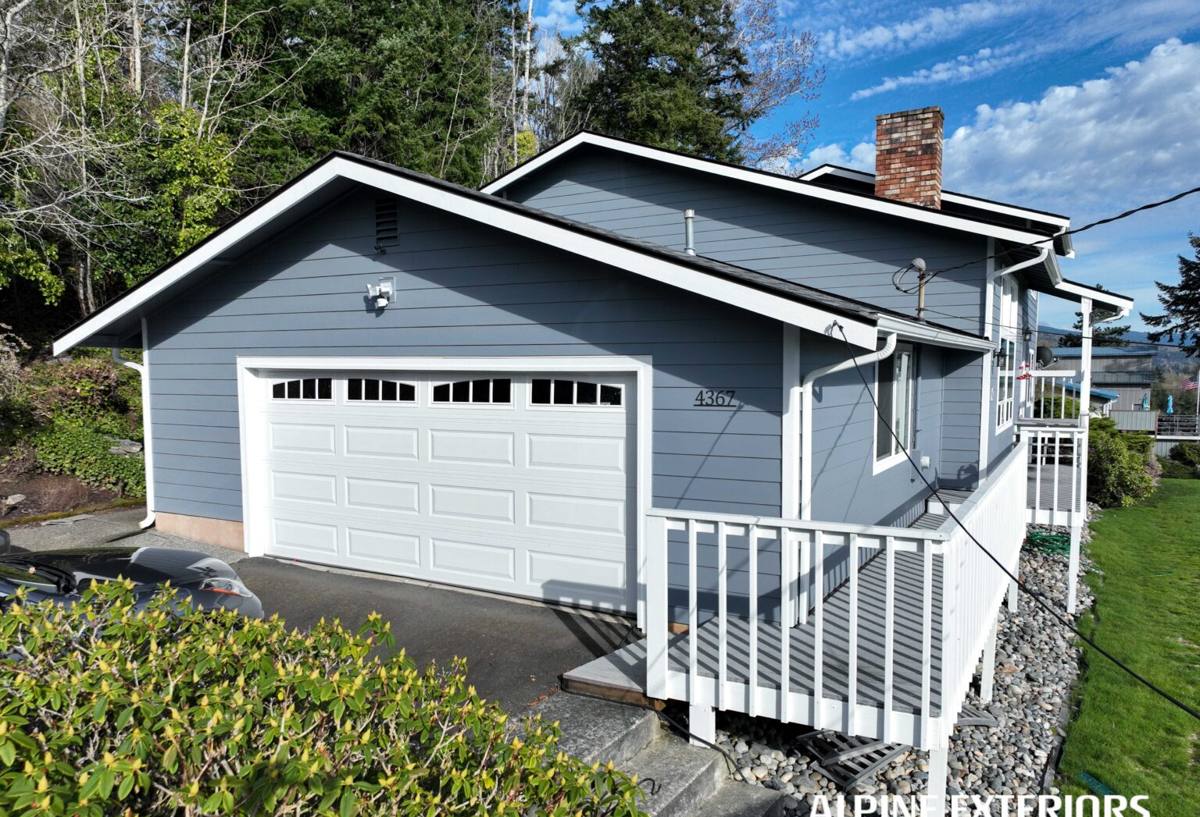
What Salt Air, Rain, and Moss Actually Do to a Deck
Moisture That Never Fully Leaves
Wood and even some composite decking need time to dry out between rain events to stay healthy. In Burlington's climate, that drying window is often too short. Moisture gets trapped in joints, fastener holes, and anywhere two boards meet, which is exactly where rot starts — usually from the inside out, so it's invisible until the wood gives way underfoot.
Salt Air and Metal Hardware
Proximity to the water means airborne salt settles on everything, including the metal that holds a deck together. Standard fasteners and connectors can corrode faster here than they would further inland, which weakens joist hangers, ledger bolts, and structural screws long before the visible decking shows its age.
Moss as a Structural Problem, Not Just a Cosmetic One
Moss isn't just an appearance issue. It holds moisture directly against the deck surface and, if it spreads into gaps between boards, keeps that moisture from draining and drying the way it's supposed to. A deck with a heavy moss season every year is a deck that's staying wet longer than its materials were designed to tolerate.
Signs a Deck Needs Replacement, Not Another Repair
Repairs make sense when the problem is isolated — a single damaged board, a loose rail cap, a stair tread that's cracked. Replacement becomes the honest answer when the problems are systemic. Here's a practical checklist we walk through with Burlington homeowners:
- Soft, spongy, or springy spots anywhere on the decking surface, not just at the edges
- Visible gaps or separation where the deck ledger meets the house
- Rust staining or corrosion around fasteners and structural connectors
- Persistent moss or algae growth that returns within weeks of cleaning
- Posts or footings that feel loose, sunken, or shift when the deck is loaded
- A deck older than 15-20 years that hasn't had structural framing inspected
- Multiple boards showing rot, cupping, or splitting rather than one or two isolated spots
If you're seeing two or more of these, it's worth having the structure evaluated before spending money on cosmetic fixes that won't hold.
What a Correct Deck Replacement Actually Involves
It Starts Below the Surface
A deck replacement that's done right isn't just swapping old boards for new ones. The framing, footings, and ledger connection are what actually carry the load and resist this climate's moisture — and they're the parts most likely to be quietly compromised on an older deck. We evaluate footing depth and condition, joist spacing and health, and how the ledger board is flashed and fastened to the house, since a poorly flashed ledger is one of the most common sources of hidden water damage in this region.
Drainage and Airflow Matter as Much as Materials
In a climate that stays damp this long, how a deck sheds water and breathes underneath it matters as much as what the decking boards are made of. Proper board spacing, joist tape on framing members, and grading that directs water away from the foundation all extend the life of a new deck significantly, regardless of which decking material you choose.
Fasteners and Hardware Built for the Coast
Given the salt air common around Burlington, we use corrosion-resistant structural hardware and fasteners rated for coastal or high-moisture exposure rather than standard-grade connectors. It costs a little more up front and saves homeowners from hidden hardware failure a few years down the road.
Choosing the Right Decking Material for This Climate
There's no single "best" decking material — there's a best material for your budget, maintenance appetite, and how the deck gets used. Here's how the common options compare for a home in this region:
| Material | How It Handles This Climate | Maintenance | Typical Lifespan |
|---|---|---|---|
| Pressure-treated wood | Affordable, but needs consistent sealing to resist the constant moisture and moss growth | Annual cleaning and resealing | 10-15 years with upkeep |
| Cedar | Naturally moisture- and insect-resistant, ages to a gray patina if left unsealed | Periodic cleaning, optional staining | 15-20 years with care |
| Composite (traditional) | Resists rot and moss better than wood, but uncapped boards can absorb moisture over time | Occasional washing | 20-25 years |
| Capped composite / PVC | Best moisture and moss resistance of the group, sheds water and resists staining | Simple rinse cleaning | 25+ years |
We're upfront about the trade-offs on each. Wood costs less initially but demands real upkeep to survive this many wet months a year. Composite and PVC cost more upfront but shift that cost away from ongoing maintenance — worth knowing before you commit either way, since the "cheaper" material on day one isn't always cheaper once you count years of sealing and repairs.
Our Deck Replacement Process
1. On-Site Evaluation
We inspect the existing deck's framing, footings, ledger connection, and overall condition, and give you a straight answer on whether replacement or repair actually makes sense — not just the answer that's easiest for us.
2. Material and Design Discussion
We walk through material options based on your budget, how the deck gets used, and how much upkeep you're willing to do, without pushing a specific product line.
3. Permitting
Most deck replacements involving structural changes to framing, footings, or height require a permit locally. We handle that process so you're not left guessing about what's required.
4. Demolition and Disposal
The old deck comes out, including hauling away the old material, so you're not left with a pile of rotted lumber in the yard.
5. Rebuild
New footings and framing go in where needed, followed by proper flashing at the ledger, corrosion-resistant hardware throughout, and the decking, railing, and stairs.
6. Final Walkthrough
We walk the finished deck with you, cover basic care for whatever material you chose, and answer any questions before we consider the job done.
Permits and Local Code Considerations
Deck replacement projects that involve rebuilding the structure — not just swapping surface boards — typically fall under local building code and often require a permit, particularly when footings, framing height, or railing changes are involved. Requirements can vary depending on the specifics of the property and the scope of work. We handle the permitting conversation as part of the job so you're not the one tracking down requirements or waiting on inspections alone.
Caring for a New Deck in Burlington's Climate
Whatever material you choose, a few habits go a long way toward getting the full lifespan out of a new deck in this climate:
- Clear leaves and debris out of board gaps regularly, especially through fall
- Address any moss growth early rather than letting it establish through a full wet season
- Keep gutters and downspouts clear so runoff isn't draining directly onto or under the deck
- Check railing and stair connections once a year for looseness
- Reseal wood decking on the schedule recommended for the specific product, not just when it looks worn
Why It Matters to Hire a Crew That Already Works in Burlington
A deck built to a generic spec sheet doesn't necessarily hold up here. Crews who work regularly in Burlington and the broader Chuckanut area already know which fastener grades hold up against the salt air, how deep footings need to go given local soil and moisture conditions, and which materials actually justify their cost once you factor in the region's long wet season. That local experience shows up in the parts of the job you won't see once it's finished — the flashing detail, the hardware grade, the drainage plan — which are exactly the parts that determine whether a deck lasts 10 years or 25.
If your deck is showing signs of age, or you're just ready to plan ahead before it becomes a safety issue, we're happy to take a look and give you a straightforward, no-pressure estimate. Use the form below to get started.