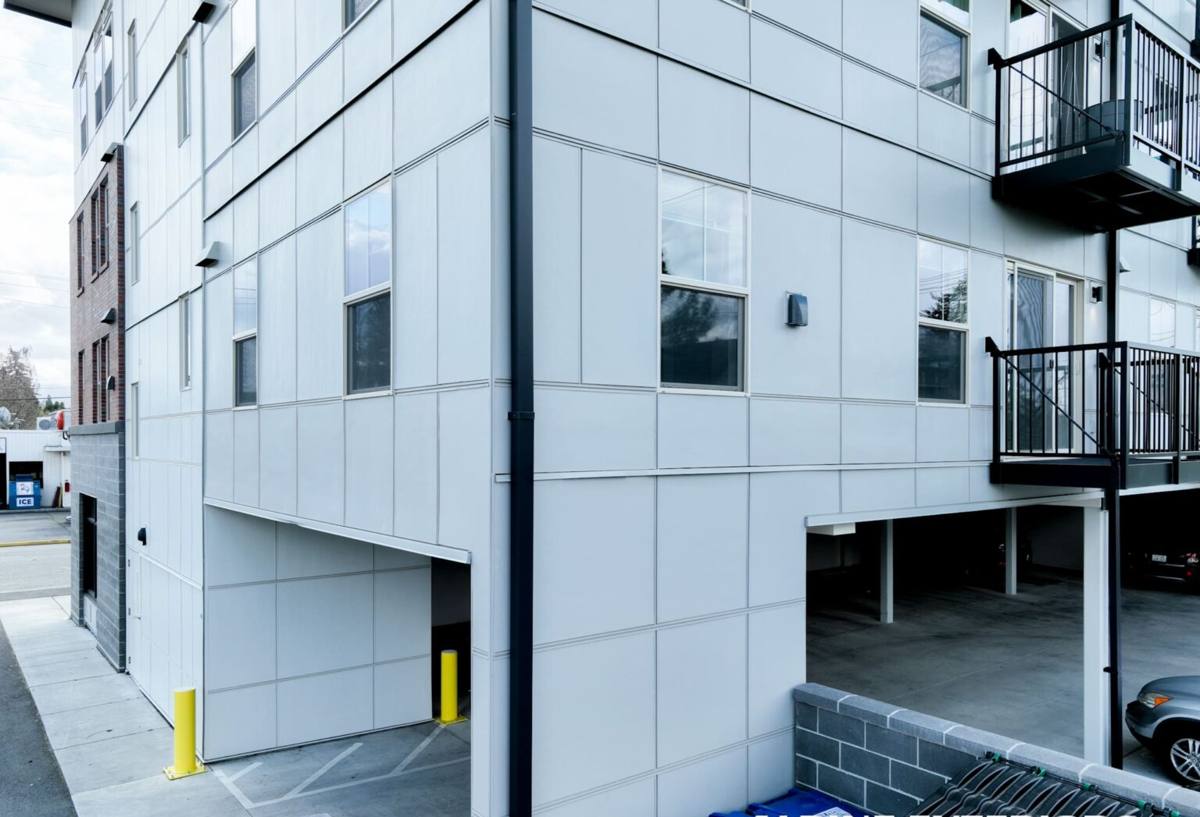
 Chuckanut Exterior
 Why Sehome Homes Wear Out Windows Faster Than You'd Expect
If you've owned a home in Sehome for more than a few years, you've probably noticed windows aging on a different timetable than the manufacturer's brochure promised. That's not bad luck. It's the environment. Whatcom County sits close enough to the water that salt-laden air reaches inland further than most homeowners assume, and it settles into every exposed seam, fastener, and finish on a window frame. Add in the driving rain that comes sideways off winter storms and a moss season that can stretch from late fall well into spring, and you have a climate that actively works against window hardware, sealants, and wood trim year-round.
None of this means Sehome is a bad place for windows — it just means the margin for error is smaller. A window that would coast along fine in a dry inland climate needs better flashing, better sealant choices, and more attentive installation here. That's the lens we bring to every replacement job in this neighborhood.
What the Local Climate Actually Does to a Window Over Time
Salt Air and Metal Components
Aluminum cladding, hardware, and fasteners are all vulnerable to the slow corrosion that salt-carrying air causes. It's rarely dramatic — you don't wake up one day to a ruined window. Instead, locks get stiff, hinges start to bind, and cladding finishes chalk or pit years ahead of schedule. Vinyl and fiberglass frames resist this better than bare aluminum, which is part of why we steer most Sehome homeowners toward those materials.
Driving Rain and Water Intrusion
Wind-driven rain doesn't just hit a window — it gets pushed sideways and upward into gaps that would never see water in a calmer climate. Flashing details and sill pan drainage matter more here than almost anywhere else in the state. A window installed without a proper sloped sill or with sealant standing in for flashing will eventually let water behind the wall assembly, and by the time you see a stain on the interior trim, the damage has usually been building for a while.
Moss, Algae, and Constant Dampness
A long moss season means extended stretches where wood trim, sills, and even some composite materials stay damp longer than they dry. That moisture cycle is what rots wood sills and swells poorly sealed frame joints. It also means any window with a wood component — sills especially — needs a finish and detailing that can handle sustained dampness, not just occasional rain.
Signs a Sehome Home's Windows Need Replacing
- Visible fogging or moisture between double-pane glass — the seal has failed and can't be repaired
- Soft or spongy wood at the sill or lower frame corners
- Windows that are noticeably harder to open, lock, or latch than they used to be
- Cold drafts near the frame edges even when the window is fully latched
- Visible moss or dark streaking building up on the sill or exterior trim faster than you can clean it off
- Condensation forming on the interior glass regularly during cooler months
- Noticeable outside noise that wasn't there when the windows were newer
Any one of these on its own might just mean a repair. Several together, especially on a home more than 15-20 years old, usually means the windows have reached the end of their useful service life for this climate.
What a Correct Window Replacement Involves Here
Swapping out a window sounds simple, and the product itself is only part of the job. In a climate like Chuckanut's, the installation details are what determine whether a window performs for twenty years or starts leaking in five.
Removal Without Hidden Damage
Before a new window goes in, we check the condition of the rough opening — sheathing, sill framing, and any existing flashing. In a wet climate, it's common to find some degree of moisture damage around older windows that was never visible from the outside. Catching and addressing that now is far cheaper than finding it later.
Flashing and Drainage First, Sealant Second
Sealant is a backup, not a strategy. A correct install uses proper flashing tape and a sloped sill pan so that any water that does get past the exterior finish drains back out instead of pooling against the frame. This is the single biggest factor in whether a window replacement holds up against driving rain.
Material Selection for This Environment
We generally recommend vinyl or fiberglass frames for Sehome homes over bare aluminum or unclad wood, specifically because of how they hold up to salt air and sustained moisture. This isn't a claim that other materials are unusable — it's a matter of long-term maintenance burden. Wood windows can absolutely work here, but they need a finish schedule and upkeep commitment that not every homeowner wants to take on.
Sealing the Interior and Exterior Correctly
Interior air sealing (low-expansion foam or backer rod plus sealant) controls drafts and condensation. Exterior sealant is finish-grade and rated for exterior exposure — a detail that's easy to skimp on and hard to notice until it fails.
Comparing Frame Materials for a Coastal Whatcom County Climate
| Frame Material | Salt Air / Moisture Resistance | Maintenance | Typical Trade-Off |
|---|---|---|---|
| Vinyl | Good — won't corrode or rot | Low | Limited color/finish options over time |
| Fiberglass | Very good — stable and durable | Low to moderate | Higher upfront cost |
| Wood (properly finished) | Fair — needs upkeep to hold up in moss season | High | Best appearance, most ongoing maintenance |
| Aluminum (uncoated/bare) | Poor in salt air over time | Moderate | Prone to pitting and hardware corrosion near the water |
This isn't a ranking of "best to worst" — it's a map of trade-offs. Some homeowners are glad to maintain a wood window for the look; others want to install it once and not think about it again. Both are reasonable choices as long as the trade-off is understood going in.
How Our Process Works
- On-site assessment — we look at existing windows, rough openings, and any visible moisture or hardware issues specific to your home
- Honest recommendation — frame material, glass package, and any repair work the opening needs before a new window goes in
- Written estimate — clear pricing with no surprise add-ons buried in fine print
- Scheduled installation — timed around weather where possible, since a dry install window matters for sealant cure and flashing work
- Proper flashing and sealing — following the drainage-first approach outlined above, not just caulk-and-go
- Final walkthrough — operation check on every window, plus a look at interior trim and sill finish
What Window Replacement Typically Costs
Pricing depends on window size, frame material, glass package, and how much rough-opening repair is needed once the old window comes out. As a broad guide, a straightforward vinyl replacement window runs toward the lower end of the range, while larger openings, fiberglass frames, or wood windows with custom finishes run higher. Any home with hidden moisture damage behind the old frame will add cost for the repair before the new window goes in — which is exactly why we check for it upfront rather than after we've already committed to a number.
We'd rather walk you through the actual factors driving your specific price than quote a number that doesn't hold up once we're on site.
Why a Crew That Already Works Sehome Matters
Window replacement isn't a one-size-fits-all trade. A crew that installs windows across a wide range of climates might do fine work in general, but they won't necessarily know that a sill detail that's adequate in a drier part of the state isn't adequate here. Working regularly in Sehome and the surrounding Chuckanut area means we've seen how driving rain actually behaves against these homes, how long moss season really runs, and which flashing and material choices hold up versus which ones need revisiting a few years down the road. That local pattern recognition is worth more than it sounds like on paper — it's the difference between a window that's installed correctly the first time and one that needs attention again sooner than it should.
Ready to Talk Through Your Windows?
If your Sehome home's windows are showing any of the wear signs above, or you're just planning ahead, we're happy to take a look and give you a straightforward, no-pressure estimate. Fill out the form below and we'll set up a time to assess your windows and walk you through your options.