 Chuckanut Exterior
 Why Larrabee's Setting Is Hard on Windows
Homes along the Chuckanut Drive corridor near Larrabee sit in one of the more demanding microclimates in Whatcom County. The forest canopy of fir, maple, and madrona that gives these properties their privacy also keeps them shaded and damp for months at a time. Add in the salt-laden air coming off Samish Bay and the driving rain that blows straight in off the water during winter storms, and you have a combination that finds every weak point in a window's seal, frame, and glazing.
Windows here don't fail the way they do in a drier, more open neighborhood. They fail from the outside in — moisture working behind trim, salt film breaking down finishes, and moss holding water against wood and vinyl surfaces that were never designed to stay wet as long as they do in this pocket of the county.
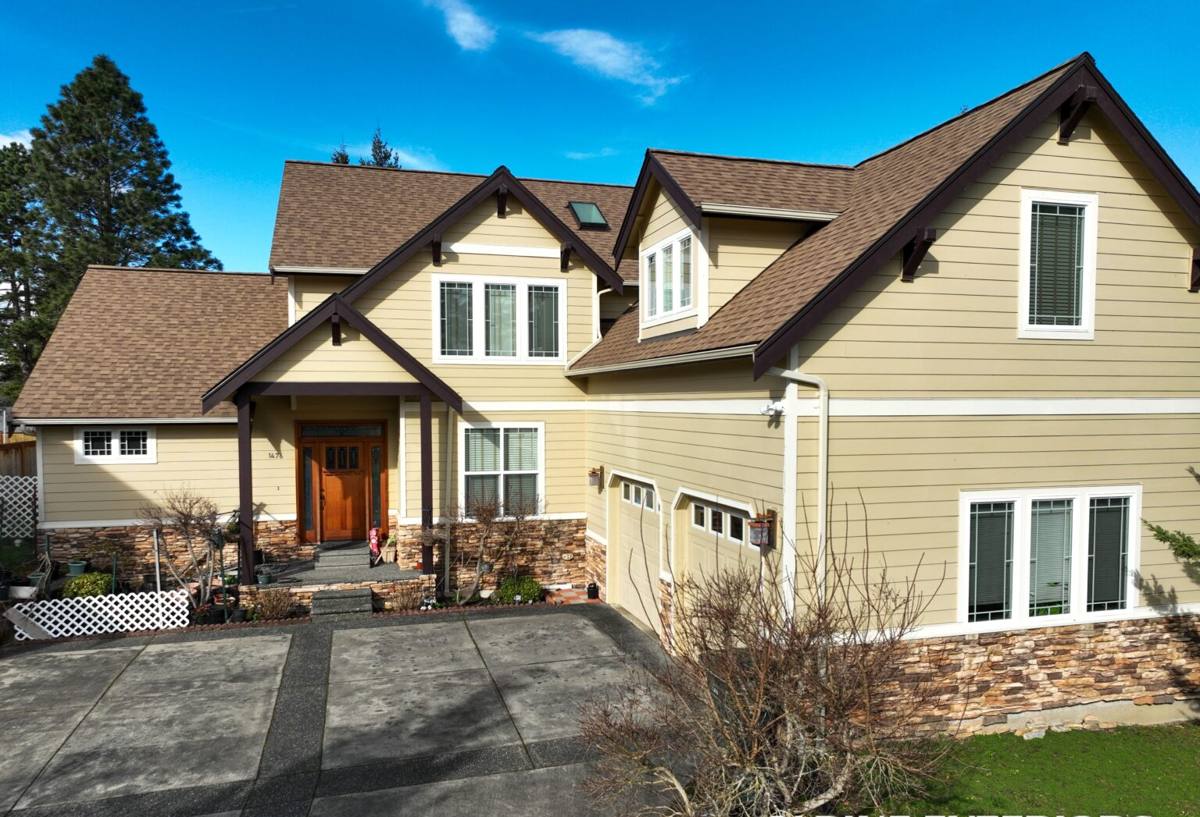
What Larrabee's Climate Actually Demands From a Window
A window replacement in this area has to do more than look good and open smoothly. It has to hold up to conditions that are genuinely different from a typical Whatcom County lot.
Constant moisture, not just occasional rain
Shaded, tree-covered lots near Chuckanut dry out slowly after a storm. That means window sills, corners, and any gap in the flashing stay wet longer than they would in full sun. Over a season, that translates into real wood decay and seal breakdown if the install wasn't done with drainage in mind from the start.
Salt air corrosion
Proximity to Samish Bay puts a fine mist of salt in the air on windy days. Salt accelerates corrosion on hardware, screens, and lower-grade metal components, and it breaks down cheap exterior finishes faster than inland installs ever see.
Moss and organic growth
Long moss season isn't just a roof problem. Moss and algae take hold on window sills, in corner joints, and along any horizontal surface that stays damp under tree cover. Left alone, that growth holds moisture directly against the frame material, which is exactly what accelerates rot and seal failure.
Signs a Larrabee Home's Windows Need Replacing
Because of the moisture load here, window problems often show up earlier and more visibly than they would elsewhere. Homeowners in this area should watch for:
- Soft or spongy wood at the sill or lower corners of the frame
- Persistent fogging or a visible haze between panes of double-glazed units — a sign the seal has failed
- Moss or dark staining building up on the sill or frame even after cleaning
- Drafts or a noticeable temperature drop near the window on windy days
- Difficulty opening, closing, or latching that didn't exist a few years ago
- Visible gaps between the frame and siding, or caulking that has cracked and pulled away
- Condensation forming consistently on the inside of the glass, not just on cold mornings
Any one of these on its own might just need attention. Several together, especially on the shaded or bay-facing side of the house, usually means the window and its surrounding flashing are past the point of a simple repair.
Materials and Glazing That Actually Hold Up Here
Not every window product sold in the Pacific Northwest is a good match for a shaded, salt-air, high-moisture lot. The table below reflects how common frame materials tend to perform under Larrabee's specific conditions, not a general national comparison.
| Frame Material | Moisture Performance | Salt Air Exposure | Maintenance Load |
|---|---|---|---|
| Vinyl | Good — won't rot, but seams need quality welds | Handles it well, minimal corrosion risk | Low |
| Fiberglass | Excellent — very stable in wet, humid conditions | Excellent — resists salt-driven degradation | Low |
| Wood (unclad) | Poor without diligent upkeep in a shaded, damp lot | Finish breaks down faster near the bay | High |
| Wood-clad (aluminum or vinyl exterior) | Good — cladding protects the wood core | Good, provided cladding seams are sealed properly | Moderate |
| Aluminum | Fair — prone to condensation without a thermal break | Needs a quality finish to resist pitting | Low to Moderate |
Glazing matters just as much as the frame. In a shaded, humid setting like Larrabee, we lean toward double- or triple-pane units with a low-E coating and argon or krypton gas fill. That combination cuts down on interior condensation, which is a bigger issue here than in a sunnier part of the county because the glass rarely gets a chance to warm up and dry out on its own.
What a Correct Installation Actually Involves
The window unit itself is only part of the job. Most of the failures we get called out to repair in this area trace back to how the window was installed, not the product itself.
Flashing and drainage
Every opening needs a proper flashing sequence — sill pan, side flashing, and head flashing installed in the right shingle-lap order so water is directed out and away from the framing, never trapped behind it. On a shaded lot where things stay wet longer, a shortcut here shows up as rot within a few seasons instead of many years.
Sealing that accounts for movement
Caulking and sealant have to be rated for exterior exposure and applied at the right points — not everywhere, since a fully sealed unit with no way for incidental moisture to escape can trap water just as badly as a gap that lets it in.
Fit and shimming
A window that's shimmed square and level operates correctly for its full lifespan. One that's racked even slightly binds hardware, stresses seals, and opens gaps at the corners — exactly where moss and moisture like to take hold.
Interior and exterior trim
Trim isn't just cosmetic. It's part of the weather seal and needs to be reinstalled or replaced in a way that matches the home's existing drainage plane.
Our Process From Estimate to Cleanup
We keep the process straightforward and honest about what your home actually needs:
- On-site assessment — we look at every window being considered, check the surrounding trim and siding condition, and note any signs of existing moisture damage before quoting anything.
- Straightforward estimate — a written scope covering materials, labor, and any framing repair we expect to encounter, with no vague allowances.
- Scheduling around the weather — we plan installs to minimize the time an opening is exposed, which matters more here than in a drier part of the county.
- Proper removal and inspection — once the old window is out, we check the framing for hidden rot or moisture damage before anything new goes in.
- Installation with full flashing and sealing — done to manufacturer specification, not shortcuts.
- Final check and cleanup — we test operation, confirm a clean seal, and leave the site tidy.
Cost Factors Worth Understanding
Every home is different, but a few factors consistently move the price of a window replacement project in this area:
| Factor | Why It Matters Here |
|---|---|
| Frame material chosen | Fiberglass and quality vinyl cost more up front but need less upkeep in this climate |
| Extent of hidden framing damage | Shaded, damp lots more often reveal rot once old windows are removed |
| Full-frame vs. insert replacement | Full-frame costs more but is often the right call when trim or flashing has already failed |
| Number and size of openings | Larger and more numerous windows affect both material and labor cost |
| Access and site conditions | Steep, wooded lots common in the Larrabee area can add time for material staging and protection |
We'll always walk through these specifics with you rather than quoting a flat number that ignores your home's actual condition.
Why a Crew That Already Works in Larrabee Matters
A contractor who mostly works in drier, sunnier parts of Whatcom County can install a window that looks fine on day one and still fail early here. Knowing how fast moss takes hold under tree cover, how far wind-driven rain travels up a wall facing the bay, and how long a shaded sill actually stays wet after a storm changes the decisions made on-site — from flashing detail to sealant choice to how soon trim gets primed after install. That kind of judgment only comes from doing this work repeatedly in this specific setting, not from a general playbook applied everywhere in the county.
If your Larrabee-area home has windows showing any of the signs above, or you're simply ready to stop fighting drafts and fogged glass, we're happy to take a look. Reach out for a free, no-pressure estimate using the form below — we'll walk your home's specific conditions with you before recommending anything.