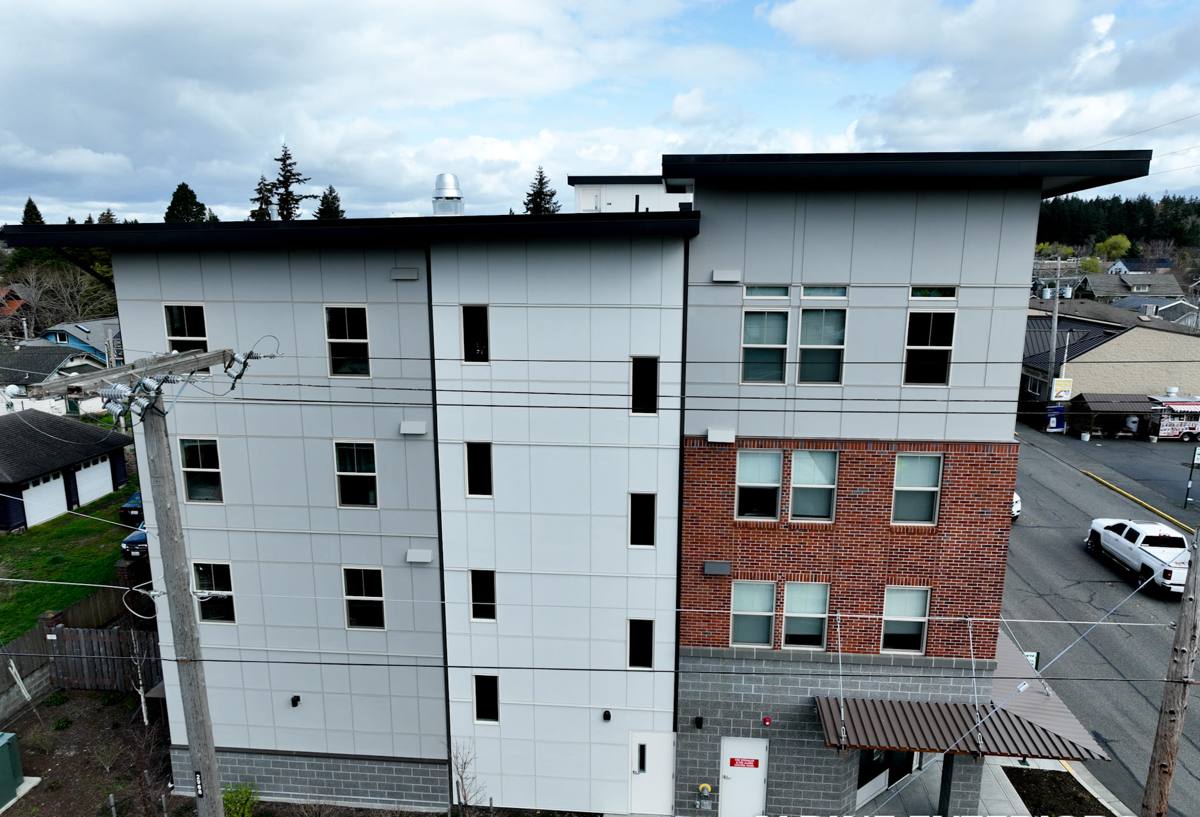
 Chuckanut Exterior
 Why Window Replacement in Samish Isn't a One-Size-Fits-All Job
Samish sits close enough to the water that salt air is a daily fact of life, not an occasional nuisance. Combine that with the driving, sideways rain that rolls in off the bay during winter storms and the long, damp moss season that stretches across much of the year in Whatcom County, and you've got a climate that is genuinely hard on window assemblies. Frames corrode. Seals fail early. Wood sashes swell, stick, and eventually rot at the corners. None of this is unusual for the area — it's just what happens to windows that weren't installed, or built, with this specific exposure in mind.
A window replacement here isn't just about swapping old glass for new. It's about choosing materials and installation details that hold up to salt-laden air, shed wind-driven rain instead of trapping it, and resist the moisture that feeds moss and mildew on siding, sills, and trim. Homeowners who treat it as a purely cosmetic upgrade often end up dealing with the same failures again in five or six years. Done right, a window replacement in this part of Chuckanut should last decades.
Signs Your Windows Have Reached the End of Their Service Life
Not every issue means a full replacement, but in a coastal, high-moisture climate, a few symptoms are reliable indicators that repair has stopped being cost-effective.
- Fogging or a permanent haze between the panes — the seal on the insulated glass unit has failed and moist air has gotten inside
- Visible corrosion or pitting on metal frames, hardware, or hinges, especially on window walls facing the water
- Soft, spongy, or discolored wood at the sill or lower corners of the frame
- Persistent condensation on the interior glass during cold, wet stretches, even with normal household humidity
- Windows that no longer latch tightly, letting in drafts or a whistling sound during storms
- Visible daylight or a draft felt around the frame when pressing a hand near the edges
- Green or black staining on the siding or trim directly below a window — a sign water is running off the frame instead of being properly diverted
If you're seeing two or more of these on the same window, that unit is very likely past the point where caulking and weatherstripping will solve the problem.
What a Correct Window Replacement Actually Involves
It Starts Before the New Window Goes In
The window itself is only part of the job. The opening it sits in matters just as much, and in a wet climate, it matters more. A correct installation includes checking the framing for hidden rot or moisture damage once the old unit is out, since a leak that's been quietly running behind a window for years often isn't visible until the frame is removed. Any soft or compromised framing needs to be addressed before a new window goes in — installing a new unit into a damaged opening just resets the clock on the same failure.
Sill Pans and Flashing Are Not Optional
In a region with this much driving rain, the flashing details around a window are arguably more important than the window itself. A properly installed unit gets a sloped sill pan to direct any water that gets past the exterior seal back outside instead of into the wall cavity, along with flashing tape or membrane integrated correctly with the house wrap above and below the opening — lapped so water always sheds downward and outward, never trapped behind the siding. Skipping or shortcutting this step is one of the most common causes of hidden rot behind window trim in coastal homes.
Sealing the Interior and Exterior
Once the window is set, plumb, level, and square, the gap between the frame and the rough opening gets insulated and air-sealed on the interior, while the exterior gets weather-resistant sealant at the joints where water actually hits — not just a bead of caulk around the trim as a finishing touch. Exterior trim and casing should be reinstalled or replaced with attention to the same drainage principles, so water is directed away from the wall rather than pooling against it.
Choosing a Frame Material That Can Handle Salt Air and Rain
Frame material is one of the biggest factors in how a window performs near the water. Each option has real trade-offs, and the right choice depends on budget, the home's style, and how exposed a given wall is to wind and salt spray.
| Material | Performance in Salt Air / Rain | Maintenance | Typical Trade-Off |
|---|---|---|---|
| Vinyl | Does not corrode or rust; handles moisture well | Low — occasional cleaning | Limited color options; can flex on very large sizes |
| Fiberglass | Excellent — very stable, resists corrosion and warping | Low | Higher upfront cost than vinyl |
| Wood (clad exterior) | Good if the exterior cladding is intact; vulnerable where cladding is damaged or gapped | Higher — exposed wood needs monitoring and refinishing | Best appearance for period-style homes; more upkeep near salt air |
| Aluminum | Prone to corrosion and pitting in salt air unless heavily coated | Moderate to high near the coast | Slim sightlines, but generally not our first recommendation this close to the water |
We don't install bare or lightly-coated aluminum frames on homes with direct salt air exposure as a matter of professional standard — not because the material is bad everywhere, but because the maintenance burden and corrosion risk in this specific environment usually outweigh the benefits. Vinyl and fiberglass are our go-to recommendations for most Samish homes because they hold up to the salt, moisture, and temperature swings without ongoing upkeep.
Glass and Performance Options Worth Understanding
Frame material gets the most attention, but the glass package does a lot of the work in a climate like this.
Low-E Coatings
Low-emissivity glass coatings help control heat loss in winter and reduce solar gain in the rare stretches of strong summer sun, while also cutting down on UV fading of interior furnishings. In this climate, the winter heat-retention benefit is usually the bigger factor.
Gas Fills and Spacer Systems
Argon gas fill between panes improves insulation value over plain air fill at a modest cost. Just as important, and often overlooked, is the spacer system separating the panes — a warm-edge spacer resists condensation at the glass edge better than older metal spacers, which matters during the cold, damp stretches when interior condensation is most common.
Operating Style and Wind-Driven Rain
How a window operates affects how well it sheds water in a storm. Casement windows, which seal by compressing against the frame when cranked shut, generally resist wind-driven rain better than sliding or single-hung styles, which rely on friction-fit tracks. That doesn't mean sliders are wrong for every wall — it depends on the exposure of that particular elevation — but it's worth discussing which style makes sense wall by wall, not just for the house as a whole.
Our Installation Process
- On-site assessment of each window, checking for framing damage, drainage issues, and how exposed that wall is to wind and rain
- Recommendation on frame material, glass package, and operating style for each opening, based on that specific exposure
- Careful removal of the old unit, with the opening inspected and any rot or moisture damage repaired before anything new goes in
- Sill pan and flashing installed to direct water outward, integrated properly with the existing house wrap and siding
- New window set plumb, level, and square, with interior air-sealing and exterior weather-sealing at all the joints that actually see water
- Trim and casing reinstalled with the same drainage principles in mind, then a final check of operation, sealing, and cleanup
What Affects the Cost of a Window Replacement
Every home is different, but the same handful of factors drive most of the cost difference between projects in this area.
| Factor | Why It Matters |
|---|---|
| Frame material | Vinyl is the most budget-friendly; fiberglass and clad-wood cost more upfront but often less over time in this climate |
| Window size and count | Larger openings and whole-house replacements have per-unit efficiencies but higher total cost |
| Condition of the existing opening | Hidden rot or framing repair adds labor that can't always be scoped until the old window is out |
| Glass package | Low-E coatings, argon fill, and warm-edge spacers add a modest amount per unit for better long-term performance |
| Operating style | Casement and specialty shapes generally cost more than standard sliders or single-hungs |
| Trim and exterior finish work | Matching existing trim profiles or repairing surrounding siding adds time and material |
As a rough guide, most single-window replacements on a typical home in this area land in the low-to-mid four figures per window installed, with the range shifting based on the factors above. We'll always give you an itemized number for your specific windows rather than a generic estimate — a straight comparison based on your home is more useful than a broad average.
Why It Matters That We Already Work in Samish
A crew that works this specific stretch of Chuckanut regularly has already seen how the salt air, wind exposure, and moss season play out on homes here — which walls tend to take the worst of the driving rain, which older window installations were done without proper flashing, and which materials actually hold up versus which ones look fine for a few years and then start failing. That familiarity shortens the guesswork on your project and means the recommendations you get are based on what actually performs in this environment, not a generic checklist.
It also matters for the practical side of the job — knowing the permitting expectations in Whatcom County, understanding how older homes in the area were typically framed, and being able to spot the early warning signs of moisture damage before they become a bigger repair. That's the kind of judgment that only comes from doing this work locally and repeatedly, not from a one-off job.
Get a Straightforward, No-Pressure Estimate
If your windows are showing any of the signs above, or you're just planning ahead for a home in Samish, we're glad to take a look and give you an honest read on what's going on and what it would take to fix it right. Fill out the form below for a free estimate — no pressure, no hard sell, just a clear picture of your options.