 Chuckanut Exterior
 Windows Built for the York Stretch of Chuckanut
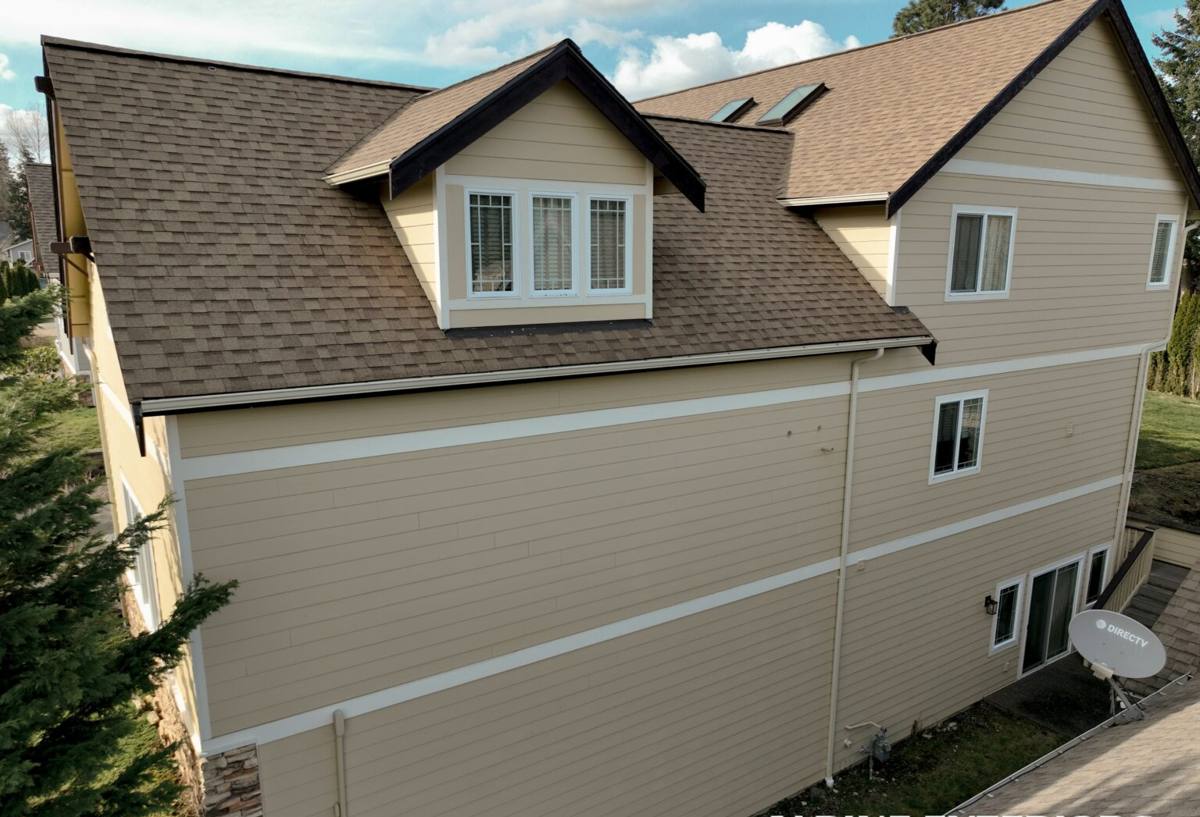
The York area sits close enough to the water and the tree line that its homes take a different kind of weathering than houses a few miles inland. Salt-laden air off the water, wind-driven rain that comes in sideways during winter storms, and a moss season that seems to start earlier every year all work on windows year-round, not just during the wet months. When we talk about "custom windows" for a York home, we don't mean a fancier version of a big-box product. We mean windows sized, built, and installed to match the specific openings in your house and the specific conditions Whatcom County throws at them.
Custom work matters more here than in a lot of places. Many homes in this part of Chuckanut were built decades ago, before today's window and moisture-control standards existed, and the framing has usually shifted a little over the years. A stock window forced into an opening that isn't quite square is one of the most common sources of leaks we get called out to fix. Building the window and the installation around the actual opening — not the other way around — is the whole point of doing this correctly the first time.
What Salt Air, Driving Rain, and Moss Season Actually Do to Windows
Salt Air and Hardware Corrosion
Airborne salt doesn't need direct ocean spray to cause damage — it travels on the wind and settles on any exposed metal. Over time it attacks fasteners, hinges, balance hardware, and lower-grade aluminum components. Windows with mismatched or under-rated hardware in a coastal-influenced area like York tend to show corrosion and stiff operation years before the glass or frame itself would normally need attention.
Wind-Driven Rain
Regular rain falling straight down is easy to shed. Wind-driven rain, which this part of Whatcom County gets plenty of during fall and winter storms, pushes water sideways and upward into gaps that would never see water otherwise. This is why flashing detail and sealant placement matter as much as the window unit itself — a great window with a poor installation will still leak in a driving rain.
Moss, Algae, and Constant Damp
A long moss season means extended stretches where wood trim, sills, and even vinyl cladding around a window stay damp longer than they should. Moss and algae growth on and around window trim holds moisture against the building longer, which accelerates wood rot at sills and jambs and can stain or degrade sealants faster than in a drier climate.
What "Custom" Means for a York Home
Custom windows for this kind of project generally involve a few things done right, in this order:
- Field-measuring every opening individually, since older homes rarely have perfectly consistent rough openings from room to room
- Choosing a frame material suited to salt air and sustained moisture exposure, not just whatever is cheapest to stock
- Selecting a glass package that resists condensation and heat loss in a consistently damp, moderate climate
- Matching sightlines and trim profiles to the rest of the house, especially on street-facing elevations
- Planning the water management detail — flashing, sill pan, and sealant — before the window ever arrives on site
Skipping any one of these turns a "custom" window into an expensive version of a standard one.
Choosing the Right Frame Material
There's no single best material for every home, but in a York-area coastal climate, some materials handle the combination of salt air and constant moisture more predictably than others. This is a general comparison, not a ranking of "good vs. bad" products — the right choice depends on your home's exposure, budget, and maintenance appetite.
| Frame Material | Salt Air / Corrosion Resistance | Moisture Behavior | Maintenance Needs | Relative Cost |
|---|---|---|---|---|
| Vinyl | Good — won't corrode, though hardware quality varies | Handles damp well; doesn't rot | Low | Lower |
| Fiberglass | Very good — dimensionally stable, low corrosion risk | Excellent moisture stability | Low | Higher |
| Wood-clad | Depends heavily on cladding quality and seal integrity | Interior wood is vulnerable if seals fail | Moderate to high | Higher |
| Aluminum | Weakest in salt-air settings unless properly coated | Prone to condensation without thermal breaks | Moderate | Varies |
Our standard for coastal-influenced Whatcom County work leans toward vinyl or fiberglass frames with marine-rated or corrosion-resistant hardware, precisely because they hold up with less ongoing owner maintenance in this air and moisture profile. We'll walk through the honest trade-offs — appearance, warranty structure, upfront cost — for your specific home rather than pushing one product line.
Glass and Weatherproofing Choices That Matter Here
In a climate with this much sustained humidity and temperature swing between damp night air and daytime warmth, the glass package affects comfort as much as the frame does. A few things worth understanding before you choose:
- Double vs. triple pane: Triple-pane glass adds cost and weight but noticeably reduces condensation risk on interior glass during cold, damp stretches — a common complaint in older single- or double-pane homes here.
- Low-E coatings: Help control heat loss without darkening the glass, useful given how much of the year is overcast rather than sun-exposed.
- Gas fills (argon/krypton): Improve insulation value but depend on a tight seal — another reason installation quality matters as much as the glass spec on the label.
- Condensation resistance rating: Worth asking about directly if your current windows fog or sweat on the interior during winter; it's a more useful number than the U-factor alone for a climate like this.
What a Correct Installation Involves
This is the part that determines whether a good window performs like one for the next 20+ years, or leaks within a few winters. On a York-area home, we treat these as non-negotiable steps:
- Removing old windows carefully to inspect the framing and sill for hidden rot or prior water damage before anything new goes in
- Installing a sloped sill pan so any water that does get past the sash drains outward, not into the wall
- Integrating window flashing with the home's existing weather-resistive barrier and siding, in the correct shingle-lap order
- Using backer rod and a compatible, flexible sealant at the exterior perimeter — not just a bead of caulk over a gap
- Shimming and squaring the unit properly so it isn't relying on fasteners alone to stay weathertight
- Insulating the gap between frame and framing without over-packing it, which can bow the frame and cause operational issues
- Sealing and finishing the interior side so conditioned air isn't leaking out around the frame
Our Process for a York Window Project
- On-site assessment: We look at existing window condition, sill and framing health, and how exposed each elevation of your home is to wind and rain.
- Precise measurement and product selection: Every opening is measured individually; we recommend frame material and glass package based on that specific elevation's exposure, not a blanket spec for the whole house.
- Scheduling around the weather: Given how much rain this area gets, we plan installation windows to minimize the time any opening sits uncovered.
- Installation: Removal, inspection, flashing, and sealing done in sequence — no shortcuts on the water-management steps above.
- Walkthrough: We check operation, seals, and finish work with you before we consider the job done.
Why Hiring a Crew That Already Works in York Matters
A contractor who works this part of Chuckanut regularly already knows how homes in the area tend to be built, what kind of moisture and settling issues show up in older framing near the water, and how local siding and trim details typically tie into a window opening. That familiarity shows up in fewer surprises during removal and a tighter, more predictable installation. It also means we're not guessing at how a driving rain event from the water side of the house behaves against a given elevation — we've seen it.
Whatcom County permitting and code requirements for window replacement can also vary by scope of work — full frame replacement versus insert replacement, for example — and a crew that regularly pulls permits in this jurisdiction won't be learning that process on your project.
Keeping Your Windows Performing Through Moss Season
Custom windows installed correctly still benefit from basic seasonal attention in this climate:
- Clear moss and debris from window sills, tracks, and surrounding trim before it holds moisture against the frame
- Check exterior sealant beads once a year for cracking or separation, especially after a hard winter
- Rinse salt residue off frames and glass periodically if your home is closer to open water or gets regular wind off the bay
- Keep weep holes on vinyl and fiberglass frames clear so water can drain as designed
- Watch for sticking or hardware stiffness, an early sign of corrosion or swelling worth addressing before it worsens
If you're weighing a window replacement for a York-area home, we're glad to take a look, measure what you actually have, and give you a straightforward, no-pressure estimate — just fill out the form below and we'll get in touch.