 Chuckanut Exterior
 Building a Deck That Actually Holds Up in Bow
Bow sits close enough to the water that salt air is part of daily life, and that changes what a deck needs to survive long-term. A deck built the same way you'd build one forty miles inland, away from tidal influence, will show corrosion, rot, and surface breakdown years ahead of schedule out here. We build custom decks for homes in this part of Whatcom County with that reality built into every decision — material selection, fastener choice, framing details, and drainage — rather than treating it as an afterthought.
This page is specifically about custom deck construction for Bow properties. It's not a generic overview of decking options; it's what we've learned works, and what doesn't, on homes exposed to this particular combination of salt air, driving rain, and a moss season that can run most of the year.
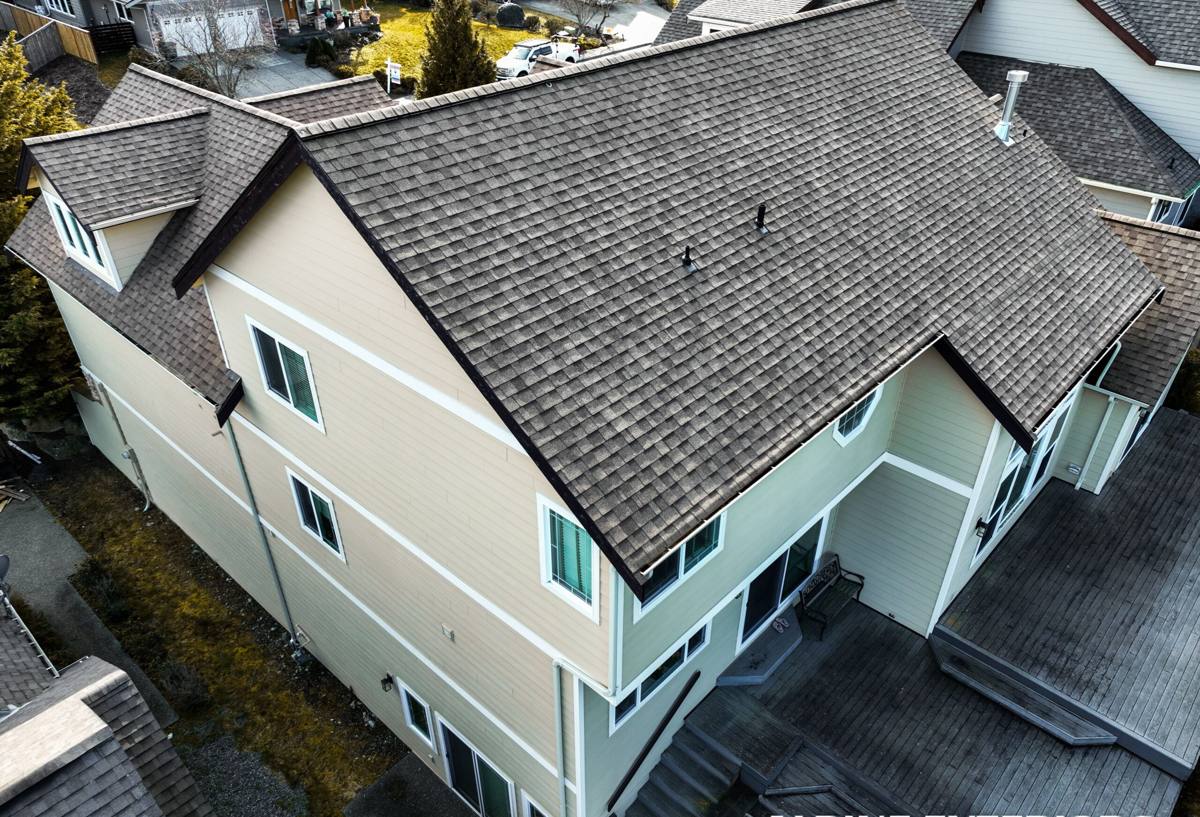
What Bow's Climate Actually Does to a Deck
Salt Air and Corrosion
Airborne salt accelerates corrosion on anything metal — fasteners, brackets, railing hardware, even the heads of screws holding down decking boards. Once a fastener starts to rust, it weakens, stains the surrounding wood or composite, and eventually needs to be replaced, often before the decking itself is due for replacement. Standard construction-grade screws and generic galvanized hardware are not built for this environment and tend to show streaking and pitting within a few seasons.
Driving Rain
Rain that comes in at an angle, pushed by wind off the water, gets into places vertical rain never reaches — under railing caps, behind fascia boards, into end grain at board cuts, and around post bases. Any gap in flashing or any spot where water can sit instead of shed becomes a slow-motion rot problem, usually hidden from view until it's advanced.
Long Moss Season
Shaded, north-facing, or tree-covered decks in this area can stay damp for months at a stretch, which is exactly what moss and algae need to establish. Beyond being unsightly, a mossy deck surface becomes slick and holds moisture against the board itself, which shortens the life of both wood and composite decking if it's never addressed.
Choosing the Right Decking Material for This Site
There's no single "best" decking material — the right choice depends on how much sun and shade the deck gets, how much maintenance the homeowner actually wants to do, and budget. We walk through these trade-offs honestly rather than steering everyone toward the highest-margin product.
| Material | Behavior in Salt Air & Rain | Moss Resistance | Maintenance Level |
|---|---|---|---|
| Pressure-treated wood | Good if properly sealed and re-sealed; end grain and cut edges need attention | Low — needs regular cleaning in shaded spots | High — annual inspection and periodic sealing |
| Cedar | Naturally rot-resistant but still needs finish maintenance near salt exposure | Moderate | Moderate to high |
| Composite decking | Very stable, doesn't absorb moisture the way wood does | Moderate — surface texture affects how easily moss gets a foothold | Low — occasional cleaning |
| Tropical hardwoods (e.g., ipe) | Excellent density and rot resistance, but installation is unforgiving | Moderate to good | Low to moderate |
For shaded lots or decks under tree cover, we usually steer homeowners toward composite or a well-sealed hardwood, since both handle sustained dampness better than softer woods. For decks that get good sun exposure, cedar remains a solid, more budget-friendly option as long as the homeowner is realistic about the upkeep.
Framing and Structure — What's Underneath Matters More Than the Surface
Homeowners naturally focus on the decking boards, but the framing underneath is what determines whether a deck lasts 10 years or 30. In a marine climate, we pay particular attention to:
- Joist spacing tightened up in areas that will see standing water risk, so boards have adequate support and drain faster
- Ledger board flashing where the deck attaches to the house — this is one of the most common failure points we see on older decks, and it's where driving rain does the most hidden damage
- Post base connections kept off grade and away from standing moisture, with proper drainage around footings
- Joist tape or equivalent protection on structural lumber, to keep moisture from wicking into cut ends and fastener holes
A deck that looks great on top but was framed without these details in mind will develop structural problems well before the surface material wears out — and by then the repair involves tearing up the decking to get at the frame.
Fasteners, Fittings, and Railing Hardware
Because salt air is so hard on metal, hardware selection is one of the areas where cutting corners shows up fastest. We use stainless steel or coated fasteners rated for coastal or corrosive environments rather than standard exterior-grade hardware, and we apply the same standard to railing brackets, post caps, and any structural connectors.
| Hardware Type | Standard Grade | Recommended for Bow |
|---|---|---|
| Deck screws | Coated exterior screws | Stainless steel or marine-grade coated screws |
| Structural connectors | Standard galvanized | Heavy-duty or stainless-rated connectors at ledger and post bases |
| Railing hardware | Painted or basic finish | Corrosion-resistant finish rated for coastal exposure |
The cost difference between standard and coastal-rated hardware is small relative to the total project cost, but the difference in how long it lasts before rust staining or failure shows up is significant.
Drainage, Slope, and Keeping Moss Off the Surface
A deck surface should shed water, not hold it. We build in a slight slope away from the house on every project, and we pay attention to gaps between boards so water can drain through rather than pool. For decks in shaded or tree-covered parts of a Bow property, we also talk through realistic moss prevention — there's no permanent fix for a deck that stays wet for months, but the following habits make a real difference:
- Sweep debris and fallen needles or leaves off the deck regularly, especially in fall and winter
- Trim back overhanging branches where practical to let more light and air reach the surface
- Rinse or lightly clean the surface a couple of times a year in shaded areas before moss gets established
- Check that board gaps and drainage gaps haven't become clogged with debris
- Inspect fastener heads and hardware annually for early signs of rust staining
Our Process From Estimate to Finished Deck
We keep the process straightforward and give homeowners a clear picture before any work starts:
- On-site visit — we look at sun/shade exposure, existing structure if it's a rebuild, drainage around the site, and how exposed the location is to wind and driving rain.
- Material walkthrough — we go over the trade-offs above in person, based on your specific lot, not a generic pitch.
- Written estimate — scope, materials, and timeline in writing before anything is scheduled.
- Framing and structural work — this is where the climate-specific details (flashing, hardware, drainage) get built in, and it's the part of the job that matters most for longevity.
- Surface installation and finishing — decking, railings, and any finishing touches like fascia or skirting.
- Final walkthrough — we go over maintenance expectations specific to the material chosen, so there are no surprises later.
Permits and Practical Considerations
Deck projects in Whatcom County can require a permit depending on the size, height, and attachment to the structure — we handle that conversation as part of the estimate rather than leaving it for the homeowner to sort out. We also factor in realistic timelines for this region: scheduling around wet weather stretches matters for framing work in particular, since structural lumber needs to be protected and connections need to be made under reasonably dry conditions to hold up long-term.
What a Realistic Budget Looks Like
Custom deck costs vary widely based on size, material, height off grade, railing style, and how much structural work is involved (especially on a rebuild versus new construction). Rather than quote a single number that doesn't apply to your project, we provide a written estimate after seeing the site — but as a general guide, straightforward pressure-treated or cedar decks tend to sit at the lower end of the range, while composite or hardwood decking with custom railings and larger footprints runs higher. We're upfront about where your project falls once we've walked the site.
Why a Crew That Already Works in Bow Makes a Difference
A contractor who builds decks across a wide range of climates will default to generic specs — because that's what works most places, most of the time. A crew that regularly works this stretch of Chuckanut and the surrounding Whatcom County waterfront knows which details aren't optional here: the hardware grade, the flashing at the ledger, the drainage slope, the material choice for a shaded lot. Those aren't upsells — they're the difference between a deck that needs real repair work in five years and one that's still solid in twenty.
If you're planning a new deck or replacing one that's showing its age, we're happy to take a look and walk you through what makes sense for your specific property — no pressure, no generic sales pitch. Reach out using the form below for a free estimate.