 Chuckanut Exterior
 Composite Decking Built for the Sehome Climate
Homes in the Sehome area of Chuckanut sit close enough to the water and the tree line that a deck takes a different kind of beating than it would further inland. Salt-laden air off the Salish Sea, long stretches of driving rain through the fall and winter, and a moss season that can run half the year all work against a deck's finish, fasteners, and structure at the same time. Composite decking, installed correctly for this specific environment, is one of the more reliable answers we've found for homeowners who are tired of refinishing wood every year or watching a budget deck go slick and green by December.
This page is about one job, done right, in one place: composite deck installation for Sehome homes. Not a general decking overview — the specific choices, sequencing, and materials that hold up here in Whatcom County, where the weather doesn't give a deck much of a break.
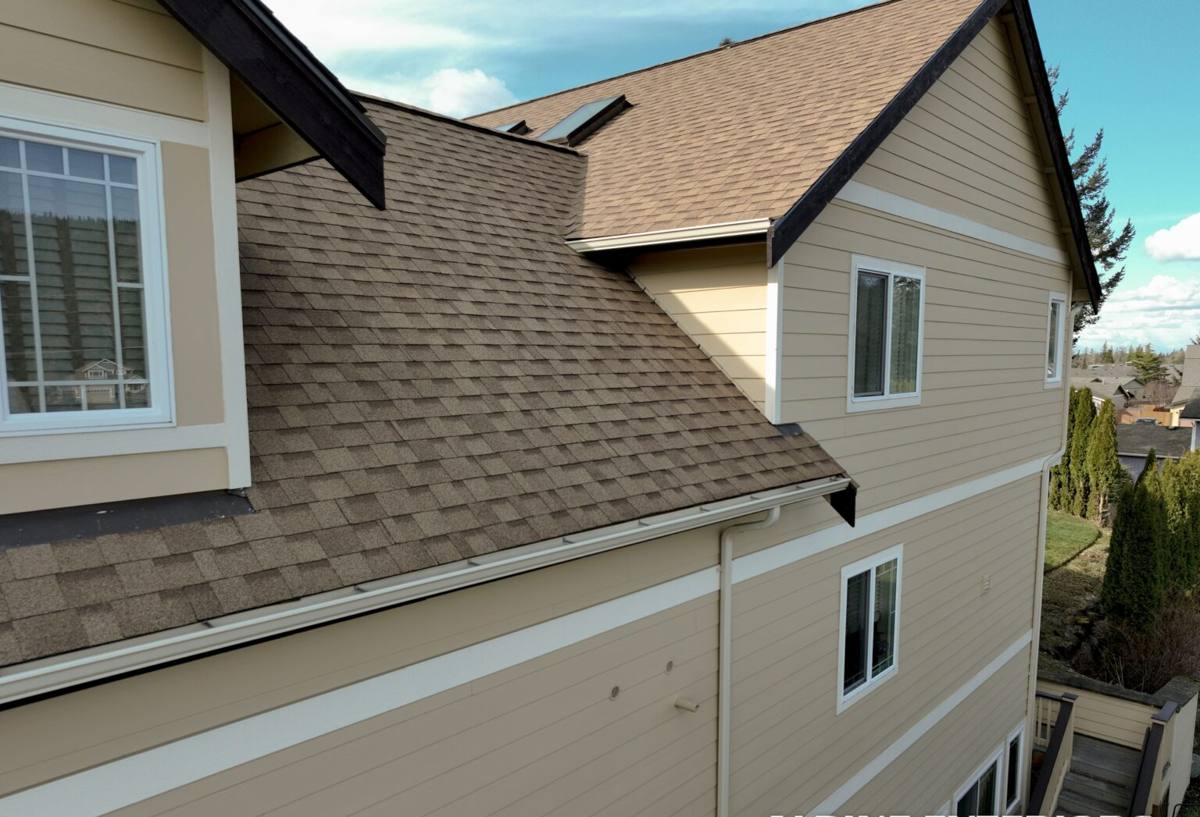
What Chuckanut's Climate Actually Does to a Deck
It helps to understand the three forces working against any exterior decking surface in this part of Washington, because they don't act independently — they compound.
Salt Air
Proximity to the Salish Sea means a fine, persistent salt content in the air, even on days that feel clear and dry. Salt is corrosive to exposed metal fasteners, hinges, and railing hardware, and over time it can accelerate the breakdown of lower-grade finishes on wood and some composite products. It doesn't damage a deck overnight, but it never stops working on one, either.
Driving Rain
Whatcom County doesn't just get rain — it gets sustained, wind-driven rain that finds its way into gaps, end grain, and fastener holes that a calmer climate would never expose. Water that gets trapped between boards, under railing posts, or against a house band board is the single biggest cause of premature deck failure we see, regardless of material.
Moss and Organic Growth
Shade, moisture, and mild temperatures are a moss factory. A deck surface that stays damp for days at a time — common under tree cover or on the north side of a house — will grow moss and algae given the chance. Beyond looking bad, moss holds moisture against the deck surface and turns boards slick and genuinely dangerous underfoot.
A deck built without these three factors in mind might look fine the first summer. The difference shows up in year three, four, and five.
Composite vs. Wood vs. PVC: What Actually Holds Up Here
There's no single "best" decking material for every homeowner, but in a climate like this one, the trade-offs are more pronounced than they'd be in a drier region.
| Material | Behavior in Salt Air & Rain | Moss Resistance | Maintenance Load |
|---|---|---|---|
| Pressure-Treated Wood | Absorbs moisture, prone to swelling, splitting, and fastener corrosion over time | Low — porous surface holds moisture and organic growth | Annual sealing/staining recommended |
| Composite (capped) | Moisture-resistant shell resists salt exposure and water intrusion | Higher — smoother, less porous surface; still needs periodic cleaning | Occasional washing, no sealing or staining |
| Composite (uncapped) | More absorptive than capped boards; can fade and stain faster in coastal air | Moderate — better than wood, behind capped composite | Periodic cleaning, watch for surface wear over years |
| PVC / Cellular Decking | Fully moisture-resistant, unaffected by salt corrosion | High — non-porous surface | Occasional washing; higher material cost |
We generally steer Sehome homeowners toward capped composite as the sweet spot: it holds up to the moisture and salt exposure far better than wood without the added cost of full PVC systems, and its solid-color, low-porosity cap gives moss and algae less to grip onto. We're happy to talk through PVC or premium wood species too — it's your deck and your budget, and there are honest trade-offs in either direction. What we won't do is install a product we know is a poor fit for this climate and call it a good deal.
What a Correct Composite Deck Installation Involves
Composite boards are only as good as what's underneath them. Most composite deck failures we get called to inspect trace back to the substructure or the fastening, not the decking material itself.
Framing and Joist Spacing
Composite boards flex differently than wood and typically require tighter joist spacing than a traditional wood deck — manufacturer specs usually call for 16 inches on center, sometimes less for angled or diagonal board patterns. Building to wood-deck spacing standards with composite board is a common shortcut that leads to bounce and premature sagging.
Ventilation Underneath
A deck built low to the ground or over a patio with poor airflow traps moisture underneath the joists and boards. In a climate that already delivers more rain than most, that trapped moisture accelerates rot in the framing even when the composite surface above looks perfect. Proper joist spacing, gapping, and in some cases forced ventilation gaps are part of doing this correctly here.
Flashing and Ledger Attachment
Where a deck attaches to the house, flashing has to be installed to shed water away from the band board and siding — not just tucked in as an afterthought. This is the single most common point of hidden water damage on any deck, composite or wood, and it's not visible once the deck is finished. It has to be done right the first time.
Fastener Selection
Given the salt air, we use fasteners and hardware rated for coastal or corrosive environments — stainless steel or coated fasteners specifically, not standard galvanized hardware that will show rust streaks and weaken faster near the water.
Board Gapping
Composite boards expand and contract with temperature more than people expect. Gapping has to account for that movement, and for drainage — tight, moss-friendly gaps trap debris and moisture; correctly spaced gaps let water and needles pass through instead of pooling.
Our Process, Start to Finish
1. On-Site Assessment
We walk the site, check sun and shade exposure, drainage patterns, existing structure (if it's a replacement), and talk through how you actually use the space.
2. Material and Layout Recommendation
Based on the site conditions — shade level, proximity to trees, exposure to weather — we recommend a board type and layout suited to that specific spot, not a one-size-fits-all package.
3. Written Estimate
You get a clear, itemized estimate before any work starts. No surprise change orders for things we should have caught during the assessment.
4. Permitting
Deck projects in Whatcom County often require permits depending on size, height, and attachment to the structure. We handle that process rather than leaving it for the homeowner to sort out.
5. Demolition (if applicable)
Removal of the old deck, with attention to what's revealed underneath — this is often when hidden rot or old flashing problems surface, and we'll flag anything we find before proceeding.
6. Framing and Structural Work
Built to the spacing and ventilation standards the composite manufacturer requires, not the minimum code allowance for wood decking.
7. Decking, Railing, and Finish Work
Board installation, fastening, railing, and any stairs or fascia trim, finished to a clean, consistent standard.
8. Final Walkthrough
We walk the finished deck with you, point out anything you should know about care and maintenance specific to the board you chose, and answer questions before we consider the job done.
Choosing the Right Composite Board for a Sehome Property
Not every composite product is built the same, and the right choice depends on your specific lot.
- Heavily shaded or tree-covered lots: prioritize a capped board with strong mold and mildew resistance and a lower-gloss finish that hides pollen and organic debris between cleanings.
- Open, sun-exposed decks near the water: look for UV-stable color technology, since faster sun exposure combined with salt air can accelerate fading on lower-grade boards.
- High-traffic family decks: a textured, slip-resistant surface matters more here than anywhere else, given how many wet days this climate delivers.
- Rail and fascia hardware: match hardware corrosion ratings to the coastal exposure level of the specific lot, not a generic inland standard.
Maintenance in a Moss-Prone, Salt-Air Environment
Composite decking is lower-maintenance than wood, not maintenance-free — especially here. A little seasonal attention goes a long way toward keeping a deck safe and good-looking for its full lifespan.
- Sweep off needles, leaves, and pollen regularly, especially in fall — trapped organic debris is what feeds moss growth
- Rinse the deck surface and gaps between boards a few times a year to clear salt residue and debris buildup
- Use a soft-bristle brush and a composite-safe cleaner on any early moss or algae spots rather than a pressure washer on high setting, which can damage the board's cap
- Check railing hardware and fasteners annually for early signs of corrosion, particularly on decks with direct water exposure
- Keep nearby vegetation trimmed back to reduce shade and improve airflow across the deck surface
- Clear gutters and downspouts near the deck so runoff isn't draining directly onto or under it
What Composite Decking Costs — and What Drives the Range
Every deck is different, but the factors below are what actually move the price up or down on a composite deck project in this area.
| Cost Factor | Why It Matters |
|---|---|
| Deck size and shape | Square footage and cut complexity (angles, curves, multiple levels) directly affect labor and material waste |
| Board tier (capped vs. uncapped, brand line) | Premium capped boards cost more upfront but generally outperform in this climate over the deck's lifespan |
| Height and railing requirements | Taller decks and code-required railing systems add material and labor |
| Substructure condition | Replacing rotted framing or upgrading ventilation on an older deck adds cost but is not optional if the frame is compromised |
| Site access | Difficult access for material delivery or equipment can add labor time |
| Permitting requirements | Larger or elevated decks may require engineering or additional permit steps |
We'd rather walk your specific site and give you real numbers than throw out a broad range that doesn't mean much for your situation.
Why Hire a Crew That Already Works in Sehome
A contractor who works regularly in this part of Chuckanut and Whatcom County has already seen how the local conditions play out on real decks over real years — which boards hold their color near the water, which fastener grades actually resist the salt air, and where moss tends to take hold first on a given lot orientation. That's not something you get from a national installer passing through on a one-off job.
It also matters for the parts of the job homeowners don't see: knowing the local permitting process, understanding how the area's drainage and rainfall patterns should shape framing and ventilation decisions, and standing behind the work with a crew that's still around the following year if something needs a look.
Let's Talk About Your Deck
If you're weighing composite decking for a home in the Sehome area, we're glad to come take a look, walk you through what we'd recommend for your specific lot, and give you a straightforward written estimate — no pressure, no sales script. Use the form below to get started.