 Chuckanut Exterior
 Deck Building in Burlington: Built for This Climate, Not Just Any Climate
Burlington sits close enough to the water and to Chuckanut's timbered slopes that a deck here lives through conditions a lot of decking products were never really designed for. You've got salt-laden air drifting in off the water, long stretches of driving rain that don't let up for days, and a moss season that can run from fall through spring. A deck built the way it would be built in a dry inland climate simply doesn't hold up the same way out here. It doesn't fail overnight — it fails slowly, in the joints, the fasteners, and the framing you can't see from the top.
We build decks for homes in this part of Whatcom County specifically with that in mind. That means different fastener choices, different attention to drainage and airflow underneath the structure, and different expectations about which materials are worth the extra cost versus which ones just add maintenance work down the road.
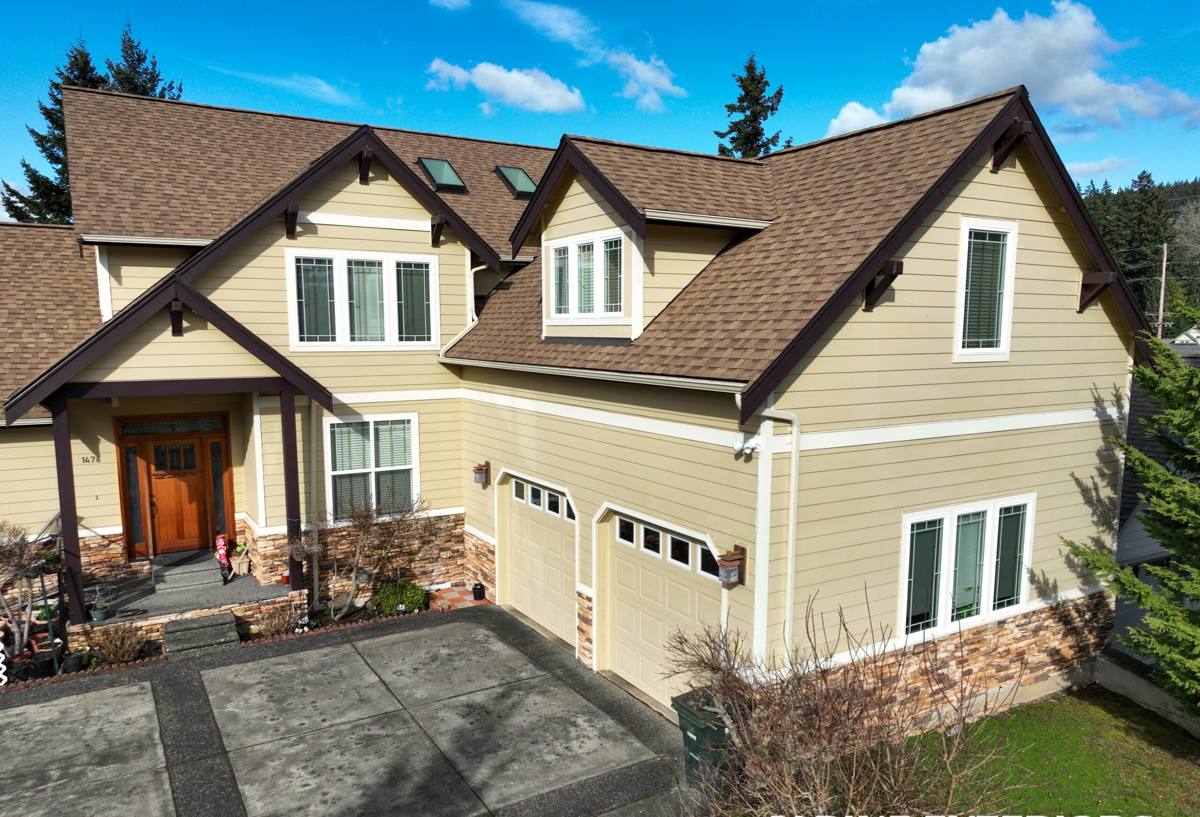
What Burlington's Climate Actually Does to a Deck
Salt Air and Metal Fatigue
Salt in the air accelerates corrosion on anything metal — fasteners, joist hangers, post bases, railing hardware. Standard hardware can start showing rust streaks and pitting years before it should. Once a fastener is compromised, it's not just cosmetic; it's load-bearing capacity leaving the structure a little at a time.
Driving Rain and Water Intrusion
This region doesn't just get rain, it gets rain that comes in sideways during a storm system, which pushes water into places a light drizzle never would — ledger board connections, stair stringers, the tops of posts, and any horizontal surface that isn't sloped to shed water. Standing water on a deck surface, even for a few hours after a storm, is what starts rot in wood and staining in composite.
Moss, Algae, and Shade
With tree cover common around Chuckanut and a moss season that can stretch most of the year, any deck surface that stays damp and shaded picks up moss and algae growth. Beyond looking bad, moss holds moisture against the decking material and makes the surface genuinely slick and dangerous underfoot, especially on stairs.
What a Correctly Built Deck Involves Here
A deck that's going to hold up in this climate isn't about a single fancy product — it's about a handful of details done right, consistently, in places that are easy to rush or skip.
- Ledger board flashing: Where the deck attaches to the house is the single most common point of hidden rot on any deck in a wet climate. Proper flashing, correctly layered with the house's water-resistive barrier, keeps water from ever reaching that connection.
- Corrosion-resistant fasteners and hardware: Given the salt air, we don't cut corners on hardware grade. Joist hangers, structural screws, and post bases need to be rated for the exposure they'll actually see, not just what's cheapest.
- Proper drainage slope: Decking should be sloped slightly away from the house so water sheds instead of pooling, and gapped correctly between boards so it can drain through rather than sitting on the surface.
- Airflow underneath: Framing height and skirting design need to allow air to move under the deck. A sealed-in, poorly ventilated underside traps moisture against the joists and is one of the most common causes of hidden rot we find on older decks.
- Footings sized and set for local soil and frost conditions: Footings that aren't set to the right depth or bearing width can shift over time, which throws the whole structure out of level and stresses every connection above it.
Choosing Decking Material for a Burlington Home
There's no single "best" decking material — there's a best material for your budget, your maintenance appetite, and how much sun or shade your deck actually gets. Here's how the common options actually perform in this climate, based on what we see when we replace or repair decks in this area.
| Material | How It Handles This Climate | Maintenance | Honest Trade-Off |
|---|---|---|---|
| Pressure-treated wood | Good moisture resistance when properly sealed and maintained; needs re-sealing on a regular schedule | Annual cleaning and periodic sealing | Lowest upfront cost, but ongoing upkeep is real and skipping it shortens lifespan noticeably |
| Cedar | Naturally resists some decay, but still needs sealing to handle constant rain exposure long-term | Regular cleaning and re-sealing to maintain color and protection | Better looks and feel underfoot; costs more than treated lumber and still needs consistent care |
| Composite decking | Doesn't rot or splinter; can still develop surface mold or algae in shaded, damp spots if not cleaned | Periodic washing to prevent moss and algae buildup; no sealing or staining needed | Higher upfront cost, but far less ongoing maintenance over the deck's life |
| Aluminum or PVC decking | Excellent moisture and corrosion resistance; performs well in salt air and constant rain | Occasional washing | Highest upfront cost; different look and feel than wood-based products, worth discussing before committing |
For homes with a lot of shade from surrounding trees, we generally steer clients away from anything that requires regular sealing unless they genuinely plan to keep up with it, since a missed sealing cycle in a shaded, damp spot is exactly the scenario that shortens a deck's life fastest.
Our Deck Building Process
- On-site assessment: We look at drainage, sun and shade exposure, the condition of the house structure at the ledger point, and how the deck will actually be used before recommending a design or material.
- Design and material selection: We walk through the material trade-offs above in plain terms — cost, maintenance, and how each option performs given your specific spot's sun, shade, and exposure.
- Permitting: Deck projects above a certain size or height typically require a permit through the local building department. We handle that process as part of the job rather than leaving it to the homeowner.
- Framing and structural work: This is where the climate-specific details — flashing, fastener grade, footing depth, airflow — get built in correctly, not added as an afterthought.
- Decking installation: Boards are installed with proper spacing and slope to shed water, following the manufacturer's specifications for whichever material you've chosen.
- Final walkthrough: We go over the finished deck with you, including what maintenance it actually needs going forward, so there are no surprises.
Common Deck Problems We Find on Existing Burlington Decks
A lot of our deck work isn't new builds — it's repairing or rebuilding decks that were built without this climate in mind. The patterns repeat often enough that we can usually spot the cause quickly.
Ledger Rot
Soft, spongy wood where the deck meets the house almost always traces back to missing or improperly installed flashing at the ledger board. By the time it's visible, the rot has usually been developing for a while.
Rust-Stained Fasteners and Failing Hardware
Streaking around screw heads or joist hangers is an early warning sign of hardware that wasn't rated for salt-air exposure. Left alone, it eventually becomes a structural issue, not just a cosmetic one.
Slick, Moss-Covered Surfaces
Especially on shaded decks and stairs, moss buildup is both a maintenance issue and a safety issue. Regular cleaning helps, but persistent moss in the same spots usually points to a drainage or airflow problem underneath that cleaning alone won't fix.
Uneven or Sagging Sections
Footings that have shifted or settled unevenly show up as a deck that feels bouncy or slightly off-level in one area. This is a structural concern worth addressing before it worsens, not a cosmetic one.
Permits and Local Considerations
Deck projects in Whatcom County generally need to meet local building code requirements, and most decks above a modest height or size require a permit before construction starts. Requirements can vary depending on your specific property and whether you're within city limits or unincorporated county land, so we confirm the exact requirements for your property as part of planning the project rather than assuming a one-size-fits-all answer. Skipping required permits can create real problems later, including issues at resale, so we build permitting into the process rather than treating it as optional paperwork.
Maintenance That Actually Extends a Deck's Life Here
Whatever material you choose, a little consistent maintenance goes much further in this climate than it would somewhere drier. Here's what we recommend to Burlington-area homeowners:
- Sweep debris off the deck surface regularly, especially fallen leaves and needles that trap moisture against the boards.
- Clean moss and algae off the surface and stairs as soon as it appears, rather than letting it establish and spread.
- Check and clear the gaps between boards periodically so water can still drain through rather than pooling.
- Inspect the ledger board connection and visible hardware once a year for staining, softness, or rust.
- Re-seal wood decking on the schedule appropriate for the product — skipping a cycle in this climate matters more than it would somewhere with less rain.
- Keep nearby vegetation trimmed back enough to let air and some sunlight reach the deck surface, which cuts down on moss significantly.
Why a Crew That Already Works This Area Matters
Deck building isn't complicated in theory, but the difference between a deck that lasts and one that needs major repair in under a decade almost always comes down to details that aren't visible once the project is finished — flashing installed correctly the first time, hardware rated for the actual exposure it will face, footings set to the right depth for local soil conditions. A crew that works Burlington and the surrounding Chuckanut area regularly has already seen what happens when those details are skipped, because we're the ones who get called to fix it years later. That experience shapes how we build from day one, not as an upsell, but because it's genuinely cheaper for you in the long run than redoing structural work down the line.
If you're planning a new deck or need an honest look at one that's showing its age, we're happy to come take a look and give you a straightforward, no-pressure estimate. Use the form below to get in touch.