 Chuckanut Exterior
 Board & Batten Siding in Silver Beach: What This Style Actually Needs Here
Board and batten is one of the most requested siding profiles in Whatcom County right now, and Silver Beach homeowners have good reason to like it. The vertical lines read as clean and modern on newer builds, and they suit the cabin-and-craftsman character of older homes just as well. But board and batten is not a neutral choice climate-wise — it behaves differently than horizontal lap siding, and on a lot with heavy tree cover, damp ground, or exposure to open air off the water, those differences matter. This page covers what a correctly built board and batten system looks like for a Silver Beach property, what tends to go wrong when it's installed without local knowledge, and how we handle the job from estimate to finish.
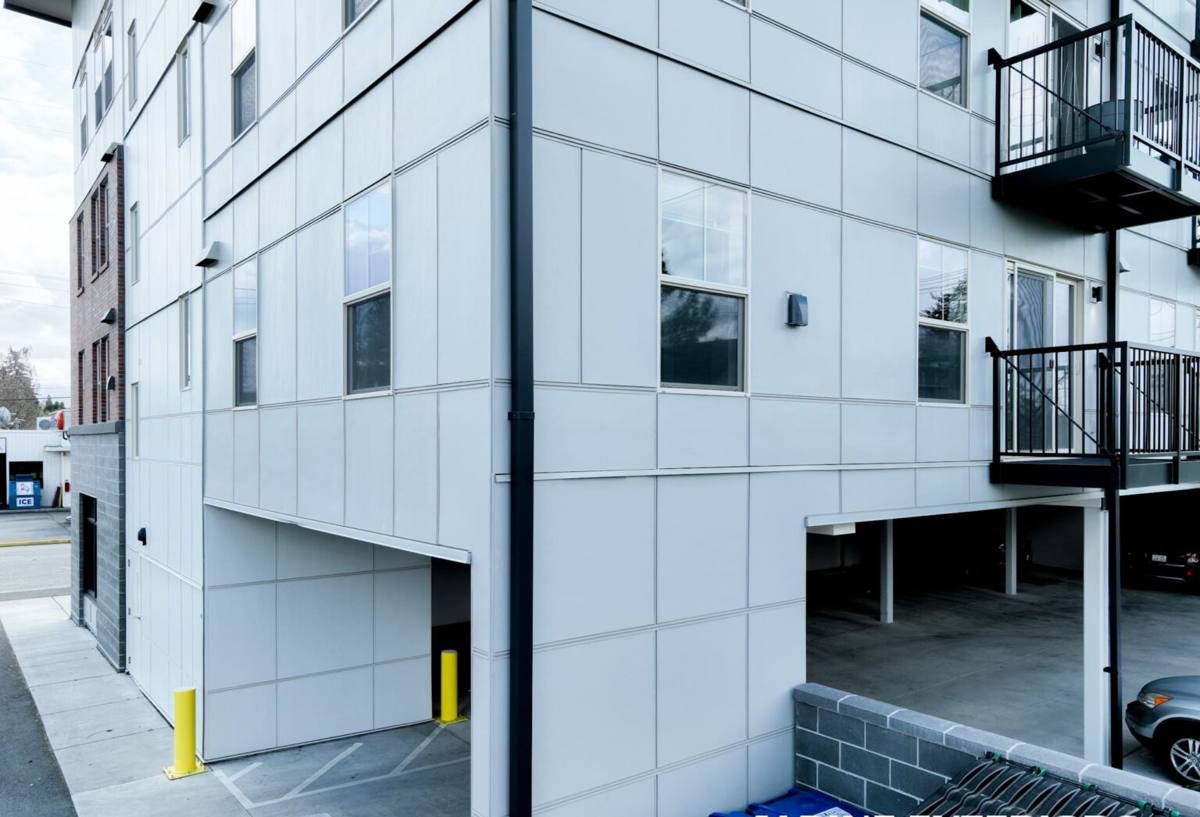
Why the Local Climate Is Hard on Vertical Siding
Whatcom County's marine climate is mild, but it's relentless in a specific way: long stretches of low-intensity rain, salt-tinged air moving in off the water, and shaded, moisture-holding lots that stay damp long after a storm has passed. Silver Beach's mix of mature trees and proximity to open water means many homes here deal with all three at once.
What that means for board and batten specifically
Vertical siding has more seams than horizontal lap siding — every batten strip covers a joint between boards, and every one of those seams is a potential water entry point if it isn't detailed correctly. Add in:
- Driving rain that hits siding at an angle instead of falling straight down, pushing water sideways into laps and seams
- Salt-laden air that accelerates corrosion on fasteners and metal flashing if the wrong hardware is used
- Moss and algae growth on any surface that stays shaded and damp for extended periods, especially north-facing walls and areas under tree canopy
and you have a profile that rewards careful installation and punishes shortcuts more than most other siding styles do.
What Correct Board & Batten Installation Involves
A board and batten system is only as good as what's underneath it. The visible boards and battens are the last step, not the first.
The layers that matter before the first board goes up
- Water-resistive barrier — a continuous weather barrier behind the siding, lapped correctly at every seam and penetration, so any moisture that does get past the cladding has somewhere to drain instead of sitting against the sheathing.
- Rainscreen gap — a small air space between the barrier and the siding lets water drain and the wall assembly dry out between rain events. On a shaded, moisture-prone lot, this gap is what keeps a wall from staying damp for days at a time.
- Flashing at every horizontal transition — window heads, roof lines, and any place a horizontal surface meets vertical siding needs metal flashing that directs water out and away, not just caulk.
- Correct fastener placement — board and batten panels need to be fastened in a way that allows for expansion and contraction. Over-fastening or fastening through both layers at the wrong point is a common cause of cracking and buckling over time.
- Batten spacing and coverage — battens need to fully cover the seam beneath them with enough overlap that thermal movement doesn't expose the gap.
Skip any one of these and the siding might look fine for a year or two before the underlying wall assembly starts holding moisture it can't shed.
Material Options — and Why We Standardized on One
Board and batten is sold in several materials, and we get asked regularly why we only install one of them.
| Material | Moisture behavior | Maintenance | Typical lifespan |
|---|---|---|---|
| Vinyl board and batten | Doesn't rot, but panels can warp or buckle with heat and don't hold flashing details as tightly at seams | Low, but cracks and fades over time and is hard to repair to match | 15–25 years before visible fading/warping |
| Primed wood / cedar | Absorbs moisture at end grain and cut edges; needs a sound paint film to stay protected | High — repainting and caulk checks every few years, especially on damp lots | 10–20 years depending on maintenance discipline |
| James Hardie fiber cement | Engineered not to absorb and swell the way wood does; factory-sealed edges reduce moisture entry at cuts | Low — occasional wash-down, no repainting on ColorPlus finishes | Manufacturer warranty in the decades, with a strong track record in wet climates when installed to spec |
We install James Hardie fiber cement exclusively, in both traditional board and batten configurations and Hardie's dedicated vertical panel lines. It's non-combustible, holds paint or factory finish far longer than wood, and its dimensional stability means the seams and flashing details stay tight instead of opening up as the material moves with the seasons. We don't install vinyl or wood board and batten — not because those products can't work anywhere, but because we've standardized on the system that holds up best to the specific combination of rain, salt air, and shade that Silver Beach properties deal with every year.
Our Process for Silver Beach Board & Batten Jobs
Every property is different, but the sequence doesn't change:
1. On-site assessment
We look at the wall assembly, not just the old siding. Tree cover, drainage around the foundation, existing moisture damage, and sun exposure on each elevation all factor into how we detail the job.
2. Removal and inspection
Old siding comes off and we check the sheathing underneath for rot or hidden moisture damage before anything new goes up. This step is where problems that have been hiding for years get found — better now than after the new siding is installed over them.
3. Weather barrier and rainscreen installation
We install a continuous water-resistive barrier and rainscreen system sized to the exposure of each wall. North-facing and heavily shaded walls get the same attention as sun-exposed ones — often more, since they dry out slower.
4. Flashing and trim detailing
Every window, door, and roofline transition gets flashed before boards go on, not caulked over afterward.
5. Board and batten installation to manufacturer spec
Fastener spacing, board gaps, and batten coverage follow James Hardie's installation requirements, which is also what keeps the manufacturer's warranty intact.
6. Final walk-through
We go over the finished work with the homeowner and point out anything that needs routine attention going forward — not a sales pitch, just what it takes to keep the siding performing.
Board & Batten vs. Other Siding Profiles
Board and batten isn't the right call for every home, and part of an honest estimate is telling you if it's not the best fit for yours.
| Factor | Board & batten | Horizontal lap siding |
|---|---|---|
| Seams exposed to weather | More vertical seams per square foot; battens must be detailed correctly | Fewer, more forgiving overlap design |
| Look | Modern, cabin, or farmhouse character; strong on accent walls and gables | Traditional, works on nearly any style |
| Best suited to | Full-facade modern builds or accent sections paired with lap siding | Whole-house cladding, especially older or traditional homes |
| Installation sensitivity | Higher — fastener placement and batten overlap are less forgiving of shortcuts | Moderate |
Maintenance Checklist for Board & Batten Homeowners
A correctly installed system needs very little upkeep, but a little seasonal attention goes a long way in this climate:
- Rinse siding with a garden hose once or twice a year to clear off pollen, salt residue, and early moss growth before it takes hold
- Walk the exterior after major storms and check caulk lines at windows and trim for cracking or gaps
- Trim back tree branches and shrubs that keep any wall shaded and damp longer than the rest of the house
- Check gutters and downspouts are directing water away from the base of the walls, not letting it splash back onto lower siding courses
- Look for any soft spots, discoloration, or moss buildup low on the wall near grade, which usually points to a drainage issue rather than a siding failure
Why Hiring a Crew That Already Works Silver Beach Matters
Board and batten forgives fewer mistakes than lap siding, and Silver Beach's mix of shaded lots, water-adjacent exposure, and driving rain adds another layer of difficulty on top of that. A crew that installs this profile across Whatcom County regularly already knows which elevations need extra flashing attention, how much rainscreen gap actually performs in this climate, and where past jobs in this area have run into trouble when corners were cut. That's not something a crew coming from a drier region or a different siding trade picks up on the first job. We install James Hardie board and batten as one part of what we do across this county, and the detailing on every job reflects what actually holds up here — not just what looks right on installation day.
If you're considering board and batten siding for a Silver Beach property, we're glad to walk the exterior with you and give you a straightforward, no-pressure estimate. Use the form below to get started.