 Chuckanut Exterior
 Why Fairhaven Decks Wear Out Differently
Fairhaven sits close enough to the water that salt air is part of daily life for anything built outdoors, and that includes your deck. Salt-laden air speeds up corrosion on fasteners and connectors, works into end grain faster than plain moisture, and leaves a fine residue that holds humidity against wood and composite surfaces alike. Add Whatcom County's long stretch of driving rain each fall and winter, plus a moss season that can run from October well into spring, and you have a combination that ages a deck faster than most manufacturers' warranties assume.
A lot of decks in this area don't fail because the homeowner neglected them. They fail because the structure underneath was built to a generic standard instead of a coastal Pacific Northwest one — undersized flashing, fasteners that weren't rated for this environment, or ledger connections that were never properly sealed against wind-driven rain. By the time surface rot or spongy boards show up, the framing underneath has often been compromised for a while.
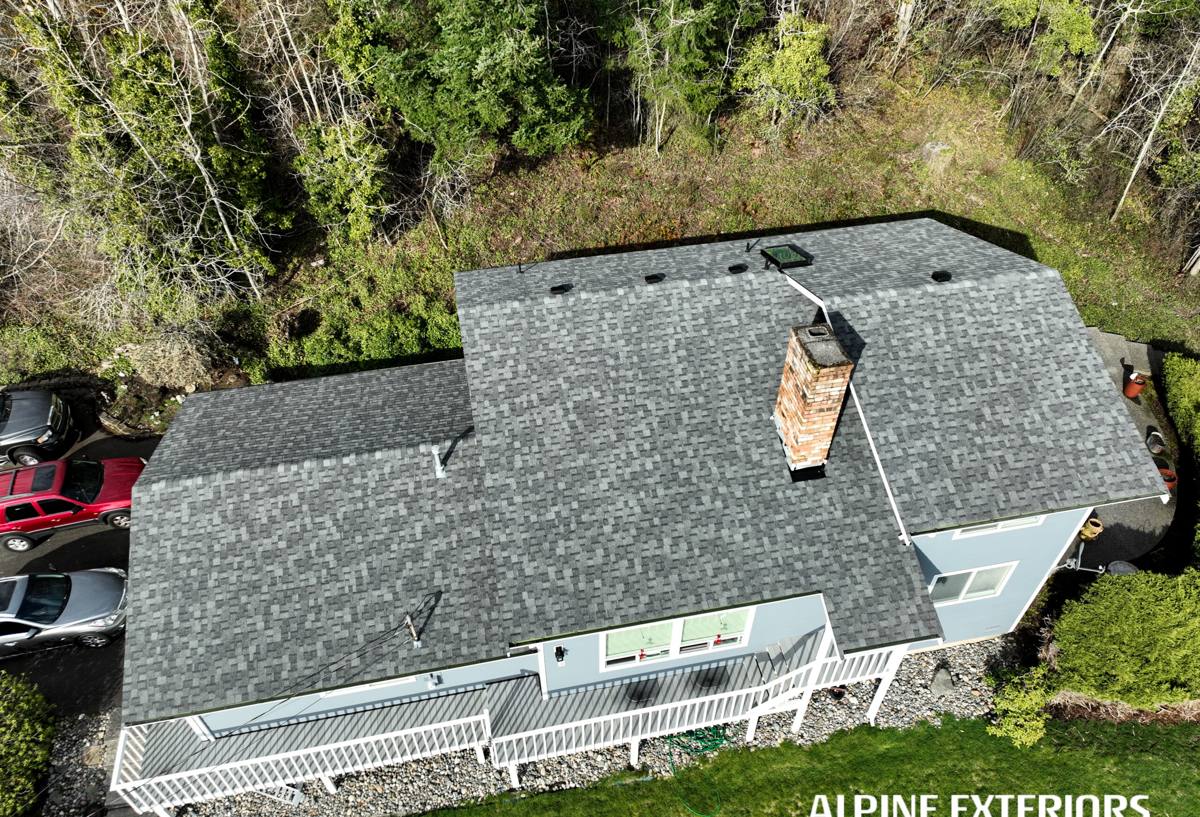
Repair, Resurface, or Replace? Knowing Which One You Actually Need
Not every tired-looking deck needs a full rebuild. Sometimes new boards on solid framing is the right call. But in a climate like ours, the framing is exactly what needs the closest look before anyone talks about surface material.
Structural Problems vs. Cosmetic Wear
Cosmetic wear — graying wood, faded stain, minor surface checking — is a resurfacing conversation. Structural problems are a replacement conversation, and they're the ones that matter for safety. The distinction isn't always obvious from the top of the deck, which is why an honest assessment starts underneath, not on the walking surface.
- Soft or spongy spots when you press on the decking, especially near the house or in shaded, moss-prone corners
- Rust streaks running down from screw heads or joist hangers
- Any movement or bounce in the deck when you walk near the railing or stairs
- Gaps opening up between the ledger board and the house siding
- Visible rot, soft wood, or fungal growth on posts, beams, or joists when you can access the underside
- A deck older than 15–20 years that has never had its framing inspected
- Persistent moss or algae on the decking surface even after cleaning, which usually means moisture is staying trapped rather than draining
If you're seeing two or more of these, it's worth having someone look at the framing before spending money on new boards over a structure that's already compromised.
What a Correct Deck Replacement Actually Involves Here
A deck replacement isn't just pulling old boards and screwing down new ones. In a coastal Whatcom County setting, the parts you don't see are what determine whether the new deck lasts 10 years or 30.
Ledger and Flashing
The ledger board — where the deck attaches to the house — is the single most common failure point on older decks in wet climates. Correct replacement means removing the old ledger connection entirely, inspecting the rim joist and sheathing behind it for hidden rot, and installing proper flashing that sheds water away from the house rather than trapping it against the wall. This is not an optional upgrade; it's the difference between a deck that sheds Fairhaven's rain and one that slowly rots the house it's attached to.
Footings and Framing
Footings need to be sized and set to current code depth, not whatever depth the original builder used decades ago. We check post spacing against actual load requirements rather than just matching what was there before, since older decks were often built to lighter standards than current code calls for. Joists and beams get sized for the actual span and, in our climate, treated or protected in a way that accounts for near-constant moisture exposure rather than occasional rain.
Fasteners and Hardware
This is where salt air does the most damage if it's overlooked. Standard galvanized fasteners can corrode faster near the water than inland, leading to streaking, weakened connections, and premature hardware failure. We use stainless steel or coastal-rated hardware on connections that matter most — joist hangers, structural screws, and ledger bolts — rather than treating hardware selection as a place to save a few dollars.
Decking Material: What Actually Holds Up in This Climate
There's no single "best" decking material for every home — it depends on budget, maintenance appetite, and how much shade and moss exposure the deck gets. Here's how the common options actually perform under salt air, driving rain, and a long moss season.
| Material | Salt Air / Moisture Behavior | Moss Resistance | Maintenance | Typical Lifespan |
|---|---|---|---|---|
| Pressure-treated lumber | Resists rot with proper sealing; end grain and cut edges need re-treatment | Needs regular cleaning to prevent buildup | Annual cleaning and re-sealing recommended | 15–20 years |
| Cedar | Naturally rot-resistant but softer; benefits from breathable sealant, not film-forming finishes | Prone to moss/algae without upkeep | Cleaning and oiling every 1–2 years | 15–25 years |
| Composite decking | Doesn't absorb water like wood; performs well near salt air | Can still grow moss/algae on the surface film if not cleaned | Periodic washing, no sealing needed | 25–30+ years |
| PVC decking | Fully moisture-resistant, doesn't wick water at cuts | Smooth surfaces resist moss better than wood-grain composites | Low; occasional washing | 25–30+ years |
We'll walk you through the honest trade-offs for your specific deck — orientation, shade, and how much time you actually want to spend maintaining it — rather than pushing whatever has the best margin.
Our Deck Replacement Process
- On-site assessment. We inspect the existing structure from underneath where possible, checking ledger condition, footings, and framing before quoting anything.
- Honest scope and estimate. You get a clear breakdown of what's being replaced, what materials are recommended and why, and a straightforward price — no surprise change orders for things we should have caught up front.
- Permitting. We handle the permit application with Whatcom County or the applicable jurisdiction so the work is inspected and documented correctly.
- Demolition and disposal. Full removal of the old deck, including hauling away old lumber and hardware.
- Structural rebuild. New footings, framing, ledger, and flashing built to current code and sized for our climate, not just the minimum.
- Decking installation. Your chosen material installed with proper spacing and fastening for drainage and long-term movement.
- Final walkthrough. We go over the finished deck with you, including basic care guidance specific to the material you chose.
Permits and Code in Whatcom County
Most deck replacements that involve new footings or structural changes require a permit, and skipping that step can cause real problems later — at resale, with insurance, or if the work doesn't hold up to inspection standards. We pull the appropriate permits and build to the current code requirements rather than to whatever the original structure happened to meet when it was built. This matters more than it sounds like it should, since a lot of older Fairhaven-area decks were built well before current footing and connection standards existed.
Why a Crew That Already Works Fairhaven Matters
Deck-building fundamentals don't change from town to town, but the details that determine whether a deck lasts do. Knowing how exposed a given lot is to wind off the water, how much shade a north-facing deck holds moisture, and how aggressively moss establishes itself in this specific pocket of Whatcom County comes from doing this work here repeatedly — not from a generic checklist. A crew that's replaced decks throughout this area knows which corners of a deck fail first, which flashing details actually hold up to our rain patterns, and which fastener choices are worth the extra cost versus which upgrades don't move the needle.
That local pattern recognition shows up in small decisions during the build — how a ledger gets flashed, where drainage gaps get widened, which posts get extra attention — that add years to the deck's life without adding much to the price.
Living With Your New Deck: Moss Season and Beyond
A correctly built deck still needs some seasonal attention here. Moss and algae will try to establish themselves on any horizontal wood or composite surface once the fall rains start, regardless of material. A simple annual cleaning before moss season sets in — clearing debris from gaps, washing the surface, and checking that drainage isn't blocked — does more to extend a deck's life than almost any other single habit. We'll walk you through what your specific material actually needs, since composite, cedar, and pressure-treated decks all call for slightly different care.
Get a Straight Answer About Your Deck
If you're not sure whether your Fairhaven deck needs a full replacement or just some targeted repair, we're glad to take a look and tell you honestly which one it is. There's no pressure and no cost to get our read on it — just a straightforward assessment and, if replacement makes sense, a clear estimate built around what your home and this climate actually need. Fill out the form below to schedule a free estimate.