 Chuckanut Exterior
 Asphalt Shingle Roofing Built for Columbia's Weather
Homes in the Columbia area sit close enough to the water and the tree line that roofs here work harder than roofs twenty miles inland. Salt-laden air off the bay, driving wind-driven rain through the fall and winter, and a moss season that can stretch from October well into spring all put steady pressure on a roof system. Asphalt shingle roofing remains one of the most practical, cost-effective choices for this stretch of Whatcom County, but only when it's specified and installed with this specific climate in mind. A shingle roof that would hold up fine in a drier, calmer part of the state can underperform here if the underlayment, ventilation, and edge details weren't chosen for salt exposure and sustained moisture.
This page covers what asphalt shingle roofing should look like on a Columbia home specifically — the material choices that matter, the installation details that get skipped on rushed jobs, and what our process looks like from first look to final walkthrough.
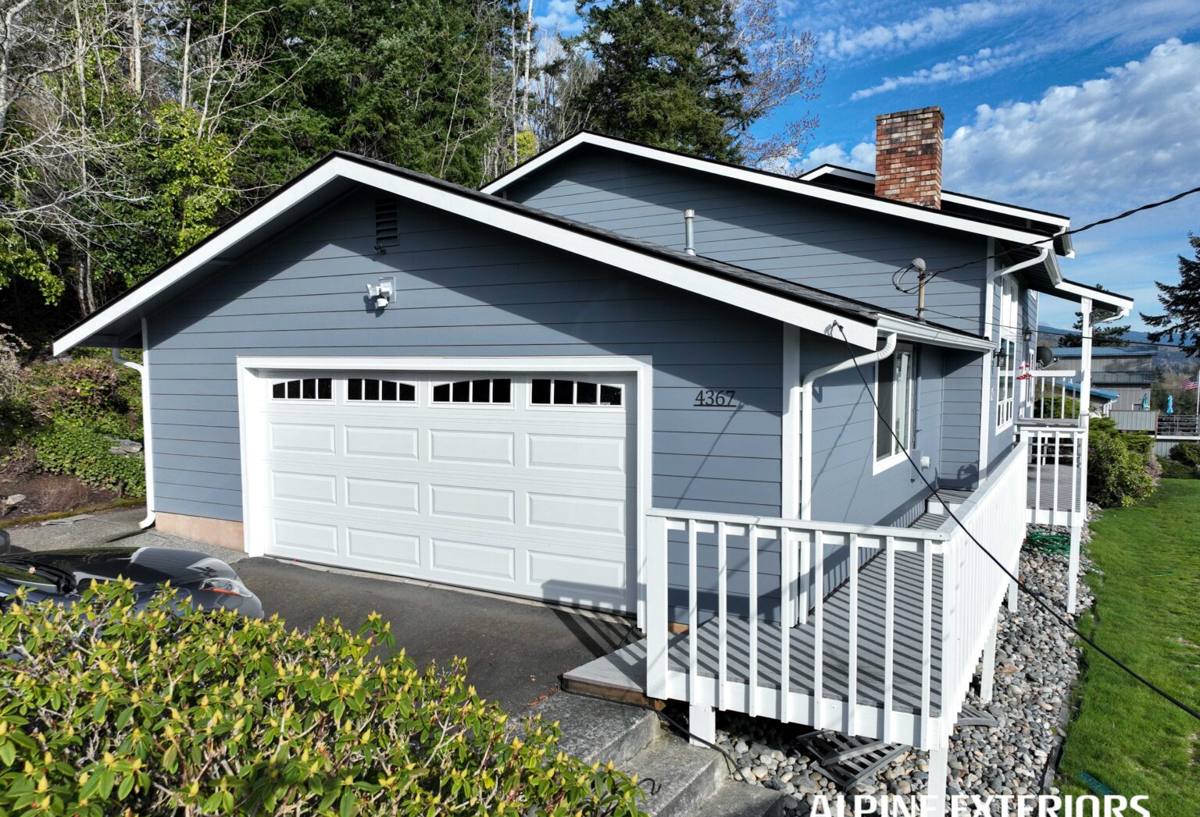
What Columbia's Climate Actually Does to a Roof
Salt Air and Metal Fatigue
Proximity to salt air accelerates corrosion on any exposed metal component — flashing, nail heads, vent stacks, and drip edge. On a lot of older roofs in this area, the shingles themselves are still in reasonable shape while the flashing and fasteners have degraded well ahead of schedule. That mismatch is one of the most common causes of hidden leaks: the field of the roof looks fine from the ground, but water is getting in at a corroded flashing seam.
Driving Rain and Wind-Driven Moisture
Rain in this part of Whatcom County rarely falls straight down. Wind off the water pushes it sideways and up under eaves, into valleys, and behind poorly lapped shingles. A roof system here needs to assume water will find horizontal and upward paths, not just vertical ones. That changes how underlayment, ice-and-water barrier placement, and shingle overlap need to be handled compared to a calmer inland climate.
Moss, Shade, and a Long Wet Season
Columbia's tree cover keeps a lot of roofs shaded for large parts of the day, which is good for energy bills but great for moss growth. Moss holds moisture against the shingle surface far longer than open sun exposure would allow, which shortens shingle life, lifts tabs, and can work its way under the shingle edge over several seasons if left unchecked. A roof plan for this area has to account for moss from day one — not as an afterthought once it's already established.
What a Correctly Installed Shingle Roof Includes Here
A shingle roof is a system, not a single product. On a Columbia home, we treat each of the following as non-negotiable, not upgrades:
- Synthetic underlayment rated for extended UV and moisture exposure, not builder-grade felt
- Ice-and-water shield at eaves, valleys, and around every penetration — not just the minimum code requirement
- Corrosion-resistant flashing (not bare galvanized) at all walls, chimneys, and roof-to-wall transitions
- Balanced intake and exhaust ventilation sized to the actual attic, not a generic ridge vent afterthought
- Starter strip and drip edge sized to shed wind-driven rain past the fascia, not just off the shingle field
- Shingle nailing pattern matched to the manufacturer's high-wind specification, not the minimum nail count
Skipping any one of these doesn't usually show up as a problem in year one. It shows up in year six or seven, as a leak that's expensive to trace because the failure point is hidden under still-intact shingles.
Choosing the Right Shingle for This Area
Not every asphalt shingle product is a good fit for a salt-air, high-moisture environment. We steer Columbia homeowners toward algae-resistant shingle lines (shingles with copper- or zinc-infused granules) specifically because of the moss and algae pressure described above. Standard shingles without that treatment tend to show streaking and moss colonization noticeably faster under this area's tree cover and humidity.
| Shingle Type | Typical Lifespan Here | Best Fit For |
|---|---|---|
| 3-tab standard | 12–18 years in this climate | Budget-driven projects, rentals, short-hold properties |
| Architectural / laminate | 20–30 years | Most Columbia homes — better wind rating, better moisture shedding |
| Algae-resistant architectural | 20–30 years, slower moss/algae staining | Shaded lots, homes near tree cover, anyone tired of moss treatments |
| Premium / designer laminate | 25–30+ years | Homes prioritizing curb appeal and highest wind rating |
For most homes in the Columbia area, we recommend architectural shingles with algae resistance as the practical baseline — the upfront cost difference over standard 3-tab is modest compared to the added years of service and the reduced moss maintenance.
Our Process, Start to Finish
1. On-Site Assessment
We start on the roof, not in a brochure. That means checking the current flashing condition, attic ventilation, decking condition, and any moss or moisture staining pattern that points to a specific weak point rather than a general "the roof is old" diagnosis.
2. Honest Scope and Options
We walk homeowners through what's actually needed versus what's optional — full tear-off versus overlay (we recommend tear-off in nearly all cases in this climate, since overlays trap moisture against old decking), shingle-grade options, and ventilation corrections if the attic isn't breathing properly.
3. Tear-Off and Deck Inspection
Once the old roofing is off, we inspect the decking for soft spots, rot, or water staining that wasn't visible from above. Any compromised sheathing gets replaced before a single new shingle goes down — installing a new roof over damaged decking just hides the problem for a few more years.
4. Underlayment and Flashing First
This is where most of the long-term performance is actually decided. We install synthetic underlayment and ice-and-water barrier per the details above, then set new flashing at every wall, chimney, and valley — not just where the old flashing already existed.
5. Shingle Installation
Shingles go down to manufacturer spec for nailing pattern, exposure, and offset, with attention to how each course laps against wind-driven rain coming off the water side of the property.
6. Final Walkthrough
We walk the completed roof and the property with the homeowner, cover care and moss-prevention basics specific to a shaded Columbia lot, and go over warranty coverage in plain terms.
Cost Factors Worth Understanding
Roofing quotes vary for real reasons, and it helps to know what's driving the number before comparing bids:
| Factor | Why It Affects Cost |
|---|---|
| Tear-off vs. overlay | Tear-off costs more upfront but avoids trapping moisture — the right call in this climate almost every time |
| Deck repair needs | Rot or soft decking found during tear-off adds material and labor not visible in an initial estimate |
| Roof pitch and access | Steeper roofs and limited access (common on wooded Columbia lots) add labor time and safety equipment |
| Shingle grade | Algae-resistant and premium laminate shingles cost more per square but last longer under moss pressure |
| Ventilation corrections | Adding or rebalancing intake/exhaust vents is a smaller line item that prevents much larger problems later |
Signs a Columbia Roof Needs Attention Now
- Moss buildup along shingle edges or in shaded valleys
- Granules collecting in gutters or at downspout outlets
- Curling, cupping, or lifted shingle tabs, especially on south- or west-facing slopes
- Rust staining streaking down from flashing or vent stacks
- Daylight visible through the attic decking at ridges or eaves
- Interior ceiling stains that appear or worsen after wind-driven storms
Any one of these on its own may not mean an emergency, but on a home in this climate they're worth a professional look rather than a wait-and-see approach — small flashing or ventilation fixes now are far cheaper than deck replacement later.
Why Local Experience on Columbia Roofs Matters
A roofing crew that already works this specific area understands, without needing to be told, that a chimney flashing detail has to account for salt exposure, or that a north-facing slope under tree cover is going to need moss-resistant shingles regardless of what the rest of the roof gets. That local pattern recognition shows up in fewer callbacks and fewer surprises mid-project. We've built our process around Whatcom County's coastal conditions specifically, which means the underlayment, flashing, and ventilation choices described above aren't upsells — they're the baseline we consider correct for a roof that has to survive salt air, driving rain, and a long moss season year after year.
If your Columbia home is due for a new roof, a repair, or just an honest inspection to see where things stand, we're glad to take a look. Reach out for a free, no-pressure estimate using the form below.