 Chuckanut Exterior
 Siding That Has to Work Year-Round in York
Homes in the York area near Chuckanut sit in one of the more demanding exterior environments in Whatcom County. You've got moisture-laden air coming off the water, wind-driven rain that doesn't just fall straight down but gets pushed sideways into wall assemblies, and a tree canopy dense enough that many lots stay shaded and damp for large stretches of the year. That combination is exactly what breaks down siding that wasn't built or installed for it. A siding job that looks fine on day one but wasn't detailed for this climate usually starts showing problems within a few wet seasons — not decades.
This page is specifically about installing siding correctly on York homes. Not a generic overview of siding in general — the specific conditions this neighborhood deals with, what a correct installation actually requires here, and how we approach the job differently because of it.
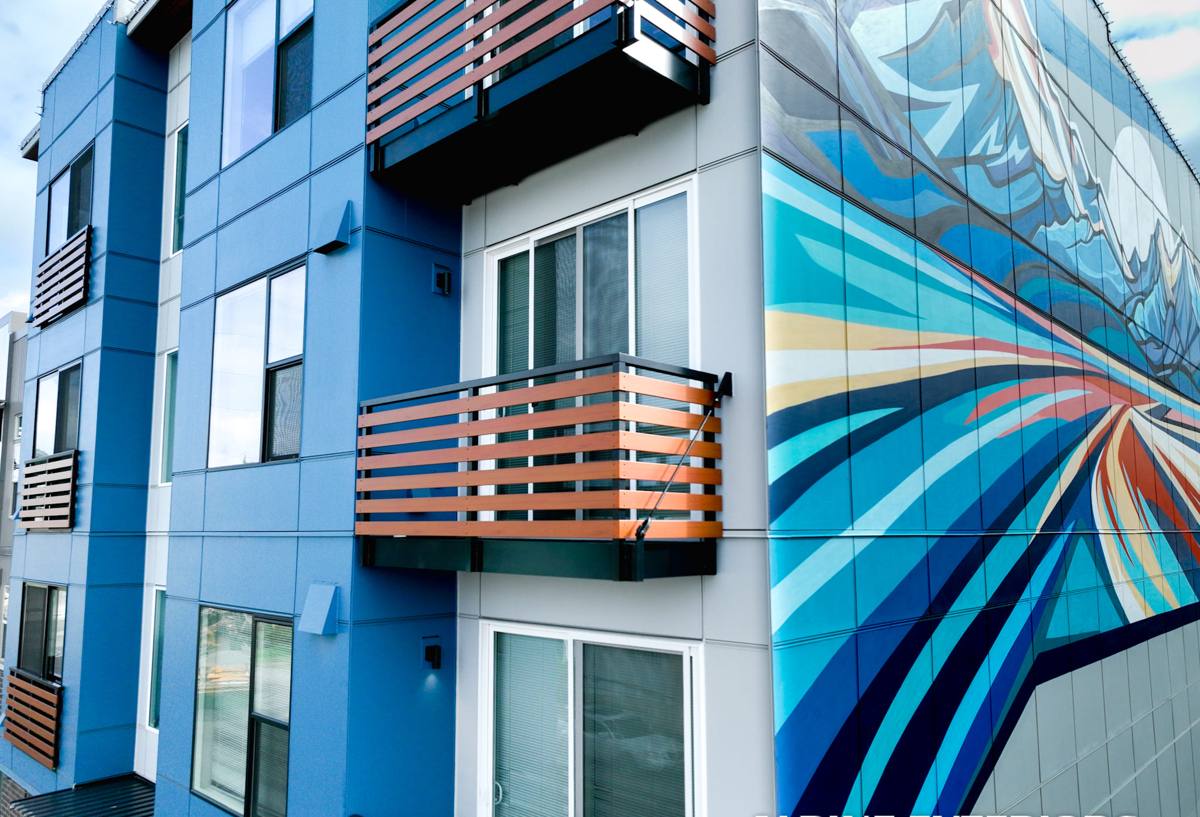
What Salt Air, Driving Rain, and Moss Season Actually Do
Salt Air and Corrosion
Proximity to Chuckanut Bay and Samish Bay means airborne salt reaches exterior surfaces regularly, even on homes set back from the shoreline. Salt accelerates corrosion in fasteners, flashing, and trim hardware. Cheap or mismatched fasteners are one of the most common causes of early siding failure we see on re-sides in this area — not because the siding material failed, but because the metal holding it up didn't.
Driving Rain and Wall Moisture
Whatcom County's weather off the water isn't gentle vertical rain. Wind pushes moisture horizontally against south and west-facing walls, and it finds every gap in flashing, trim, and butt joints that wasn't sealed or lapped correctly. Over time, water that gets behind siding rather than running off it is what rots sheathing and framing — the siding material itself is often the last thing to actually fail.
Moss, Shade, and a Long Wet Season
York's tree cover keeps a lot of exterior walls in shade for much of the day, which means surfaces stay damp longer after rain. That's ideal growing conditions for moss and algae, and it extends the number of months per year that siding is sitting wet. Porous or absorbent siding materials hold onto that moisture instead of shedding it, which speeds up swelling, cracking, and paint failure on painted wood products.
What a Correct Installation Actually Involves
The siding material matters, but in a climate like this, the installation details matter just as much — arguably more. A correct job on a York home includes:
Weather-Resistive Barrier and Drainage Plane
A continuous, properly lapped weather-resistive barrier behind the siding, with a drainage gap that lets any moisture that does get past the siding run down and out instead of sitting against the sheathing. This is non-negotiable on a home exposed to driving rain.
Flashing at Every Penetration
Windows, doors, hose bibs, light fixtures, and any other wall penetration need proper flashing integrated with the weather barrier — not just caulked over. Caulk is a maintenance item, not a waterproofing strategy.
Correct Fastening
Fastener type, length, and spacing matter, and in a salt-air environment, corrosion-resistant fasteners rated for the material and the exposure are worth the extra cost. This is one of the areas where corners get cut on lower-bid jobs and homeowners don't find out until years later.
Clearances and Gaps
Proper clearance from grade, roofing, decks, and other trim keeps splash-back and standing moisture away from the bottom edge of the siding — a common failure point on homes with dense landscaping or limited grade slope.
Why We Only Install James Hardie Fiber Cement
Given everything above, we made a standing decision as a company: we install James Hardie fiber cement siding and nothing else. Not vinyl, not LP SmartSide, not primed spruce or cedar, not other fiber cement brands. That's not a marketing position — it's a response to what we've seen hold up in this specific climate versus what struggles.
Fiber cement doesn't absorb moisture the way wood-based products do, so it doesn't swell, cup, or rot the way a damp, shaded wall assignment can punish softer materials over a long wet season. It's non-combustible, which matters as wildfire smoke and dry-season risk have become a bigger part of Pacific Northwest summers even in historically wet counties. Hardie's HZ5 product line is engineered specifically for climates with significant moisture exposure, and the factory-applied ColorPlus finish holds color and resists the kind of fading and streaking that repainted siding shows within a few years in a damp, shaded environment. It also comes with a strong transferable warranty backed by a manufacturer that's been in the fiber cement business for decades — not a private-label product with a shorter track record.
We're not going to tell you vinyl or engineered wood siding are bad products in every application. They have real advantages — cost and installation speed among them. But for York's combination of salt air, wind-driven rain, and heavy shade, we don't think they're the right long-term choice, and we'd rather turn down a job than install something we don't believe will hold up here.
Our Process for York Homes
- On-site assessment — we look at sun/shade exposure, prevailing wind and rain direction, existing moisture damage, and grade/drainage around the foundation before we ever talk product.
- Tear-off and sheathing inspection — old siding comes off and we inspect the sheathing underneath for rot or moisture damage before anything new goes up. Problems found here get addressed, not covered over.
- Weather barrier and drainage plane installation — installed and lapped correctly, with a drainage gap appropriate for the wall assembly.
- Flashing at all penetrations — windows, doors, and fixtures get proper flashing integrated with the barrier system.
- Hardie panel or lap siding installation — installed to manufacturer specification, with corrosion-resistant fasteners suited to a coastal-influenced climate.
- Trim, caulking, and final detailing — including attention to clearances from grade, roofing, and decking.
- Final walkthrough — we go over the finished work with you directly.
Cost Factors on a York Siding Job
Every home is different, but these are the factors that typically move the price on a siding installation in this area:
| Factor | Why It Matters Here |
|---|---|
| Existing wall condition | Shaded, damp lots mean a higher chance of sheathing repair being needed before new siding goes on |
| Home size and complexity | Multiple stories, dormers, and trim detail add labor time regardless of material |
| Siding profile chosen | Lap siding, panel siding, and shingle-style Hardie products differ in material and labor cost |
| Access and site conditions | Tree cover, tight lot lines, and limited equipment access are common in wooded neighborhoods like York |
| Trim and flashing scope | Full flashing detail at every penetration takes more time than a bare-minimum approach but is what prevents callbacks |
Living With Fiber Cement Siding in a Moss-Prone Area
Even with the right material and installation, York's shade and moisture mean moss and algae growth on exterior surfaces is something homeowners here should expect to manage, not eliminate entirely. A few practical points:
- Fiber cement doesn't feed moss growth the way porous wood siding can, but moss and algae can still form on any shaded, damp surface, including gutters and trim.
- A gentle rinse once or twice a year — not a high-pressure wash aimed directly at seams — keeps growth from building up without damaging the finish.
- Keeping gutters clear and landscaping trimmed back from walls reduces the amount of standing moisture siding is exposed to.
- ColorPlus factory finish resists staining better than field-applied paint, which matters when moss and organic buildup are a recurring issue.
- Any caulking at trim and penetrations should be checked periodically — it's a maintenance item, not a one-time install-and-forget step.
Choosing a Contractor for a York Siding Project
Because so much of long-term siding performance in this climate comes down to installation detail rather than just the material, who does the work matters as much as what they install. Before hiring, it's worth asking:
- Do they carry manufacturer certification or documented training on the specific siding product they're installing?
- Will they show you the weather-resistive barrier and flashing plan before siding goes on, not just describe it verbally?
- What fastener type do they use, and is it rated for a coastal-influenced, high-moisture environment?
- Do they inspect and address sheathing condition during tear-off, or just install over what's there?
- Can they speak specifically to how they handle grade clearance, drainage, and shaded/damp wall sections — not just general siding installation?
- Are they licensed, insured, and willing to put warranty terms in writing?
Why Local Experience in York Matters
A crew that has already worked on homes in and around Chuckanut understands the pattern of problems specific to this area before they start — which sides of a house take the worst wind-driven rain, how much shade a typical lot holds through the year, and where moisture tends to collect around foundations and grade. That's the difference between a generic installation and one that's actually built for the conditions the home will face for the next several decades. It also means faster, more accurate assessments, because we're not guessing at how Whatcom County's coastal microclimate behaves — we see it on every job.
If your York home needs new siding, or you're dealing with moisture damage, moss buildup, or aging siding that's past its useful life, we're happy to take a look and give you a straight, no-pressure assessment. Fill out the form below to schedule a free estimate.