 Chuckanut Exterior
 Building Decks for Larrabee's Coastal Conditions
Larrabee sits close enough to the water and the tree line that its homes take a different kind of weather beating than decks built further inland in Whatcom County. Salt-laden air moves off the water and settles into fasteners and framing connectors. Driving rain comes in sideways during winter storms and finds every gap in flashing that wasn't done right the first time. And the tree cover that makes this area beautiful also means a long moss season, with shaded, damp deck boards that never fully dry out between fall and spring. A deck built here needs to be built for these three things specifically, not just built to a generic plan pulled from a catalog.
We've worked on enough decks in this part of Chuckanut to know which shortcuts show up as problems within a year or two, and which details actually hold up. This page walks through what that means in practice, from the materials we recommend to the process we follow, so you know what to expect before you ever get a quote.
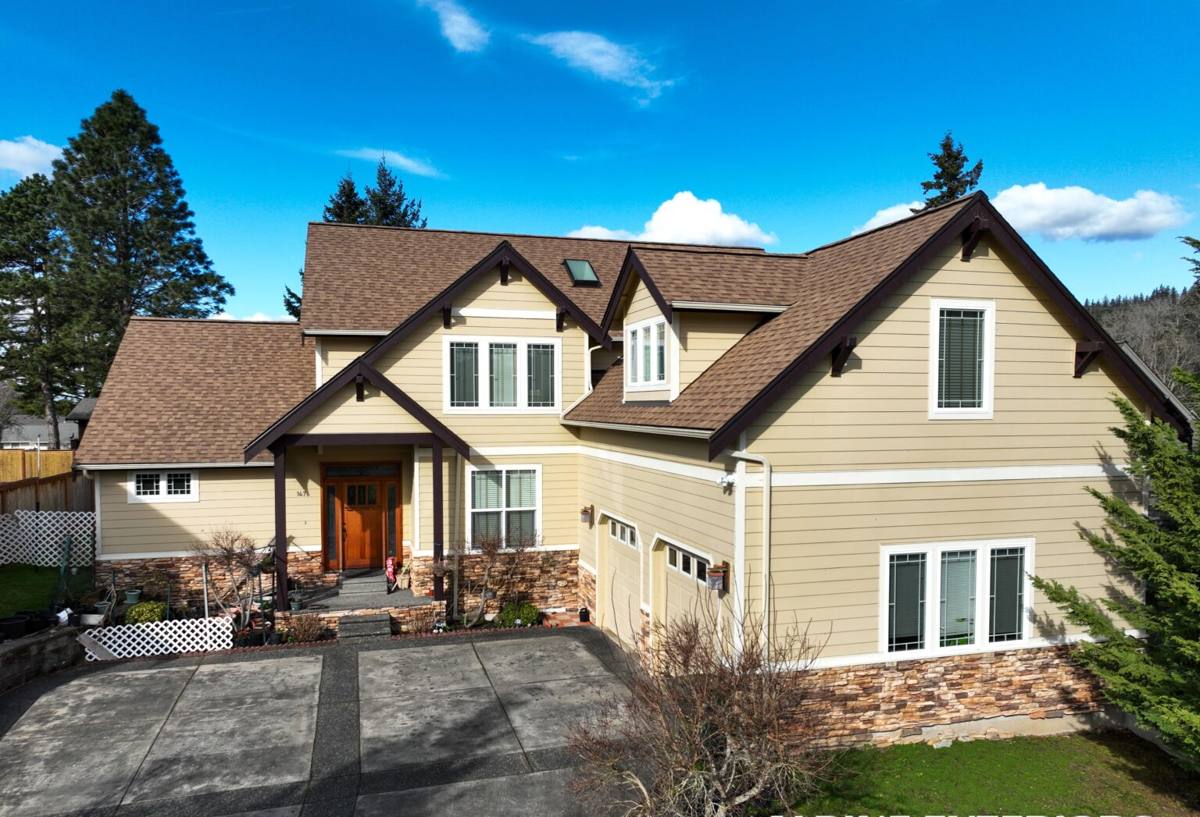
What Larrabee's Location Demands From a Deck
Every deck failure we get called out to inspect traces back to one of a small handful of causes, and in Larrabee those causes are almost always tied to moisture and air quality rather than structural overload.
Salt Air and Metal Hardware
Fasteners, joist hangers, and structural screws that aren't rated for coastal exposure will corrode faster here than they would twenty miles inland. Corrosion doesn't just look bad — it weakens the connection at the exact points holding your deck to your house and to the ground. We spec hardware rated for coastal or marine-grade exposure on every Larrabee project, not as an upsell, but because standard interior-grade coatings genuinely don't last in this air.
Moisture, Grain Orientation, and Rot
Whatcom County gets a long, wet stretch from fall through spring, and Chuckanut's proximity to the water extends that wet season further than you'd see in drier parts of the county. Wood that isn't properly sealed on cut ends, or that's installed with end grain facing up where water can pool, starts absorbing moisture immediately. That moisture doesn't just cause surface rot — it works into ledger boards, joists, and post bases where you can't see it until the damage is already structural.
Shade, Moss, and Slip Hazards
Trees that shade a deck for most of the day keep the surface damp longer after every rain, and damp wood or composite is exactly what moss and algae need to take hold. Beyond looking bad, a mossy deck surface is genuinely slippery, and it holds moisture against the board itself, which shortens the life of whatever decking material you chose. Board spacing, surface texture, and airflow underneath the deck all affect how fast moss becomes a problem.
Choosing the Right Decking Material for This Site
There's no single "best" decking material — there's a best material for a specific site, budget, and maintenance appetite. For a shaded, damp, salt-exposed lot in Larrabee, here's how the common options actually compare.
| Material | Moisture & Moss Resistance | Maintenance | Typical Lifespan | Relative Cost |
|---|---|---|---|---|
| Pressure-treated wood | Fair — needs sealing to perform well in shade | Annual cleaning and re-sealing recommended | 10–15 years with upkeep | Lowest upfront |
| Cedar | Good natural rot resistance, but still needs sealing here | Regular cleaning and periodic finish renewal | 15–20 years with upkeep | Mid-range |
| Composite decking | Very good — doesn't absorb water like wood | Periodic washing to keep algae/moss from surface-staining | 25–30 years | Higher upfront |
| PVC/capped polymer | Excellent — fully sealed surface | Occasional washing | 25–30+ years | Highest upfront |
In shaded, moss-prone spots we lean toward composite or capped polymer boards because they don't wick moisture into the board core the way wood does, which is the actual mechanism that lets moss and mildew take hold and spread. That said, plenty of homeowners want the look and feel of real wood, and a well-built cedar or treated-wood deck can perform fine here — it just needs more consistent maintenance and the right board orientation and gapping to shed water and dry out between rains.
Structural Elements That Matter Most Here
The decking surface is what you see, but the structure underneath is what determines whether the deck is still safe and level in ten years. In a climate like this, three details separate a deck that lasts from one that doesn't.
Footings and Frost Depth
Footings need to be sized and set to the depth required for the soil and frost conditions in this part of Whatcom County, and set on ground that drains rather than holds water against the post base. Undersized or shallow footings are one of the most common causes of a deck that shifts or settles unevenly over a few wet seasons.
Ledger Board Flashing
Where a deck attaches to the house, the ledger board and its flashing are doing the most important waterproofing job on the entire structure. Done wrong, this is the single most common source of hidden rot we find in older decks — water gets behind the ledger and into the house's rim joist without ever showing on the surface. We flash this connection properly on every project, with materials and layering suited to driving, wind-blown rain rather than just vertical rainfall.
Fasteners and Hardware Grade
As covered above, coastal-rated hardware matters here more than in drier inland areas. That includes joist hangers, structural screws, post bases, and any fastener exposed to the elements — not just the visible deck screws.
Permitting and Code Considerations
Most deck projects in Whatcom County require a building permit, particularly for decks attached to the house, decks above a certain height, or any structure involving new footings. Permit review typically covers footing depth and spacing, guardrail height and baluster spacing, stair geometry, and the ledger connection. We handle the permit process as part of our normal scope so you're not left figuring out county requirements on your own, and so the finished deck is something you can sell or insure without a gap in the paper trail.
Our Deck Building Process
Every project follows the same sequence, adjusted for your specific lot and layout:
- On-site assessment of the grade, drainage, shade pattern, and existing structure (if replacing a deck)
- Material and layout discussion based on your budget, maintenance preference, and how the space will be used
- Design and permit drawings submitted to the county where required
- Footing layout and excavation, sized to local frost and soil conditions
- Framing with coastal-rated hardware and properly flashed ledger connections
- Decking installation with attention to board spacing and drainage beneath the surface
- Railing, stairs, and any built-in features
- Final walkthrough and county inspection sign-off where applicable
We keep you informed at each stage, and we don't move to the next step until the one before it is done right — a deck built out of sequence or rushed through inspection points is exactly how hidden problems get built in from day one.
Deck Maintenance in a Marine, Moss-Prone Climate
Whatever material you choose, a little seasonal attention goes a long way toward getting the full lifespan out of it in this environment:
- Sweep debris and standing leaves off the surface regularly, especially in fall
- Wash the deck surface at least once a year to remove early moss and algae growth before it spreads
- Check and clear gaps between boards so water can drain rather than pool
- Inspect fasteners and hardware periodically for early signs of corrosion
- Re-seal wood decking on the manufacturer's recommended schedule rather than waiting until it looks dry
- Trim back overhanging branches where possible to reduce shade and speed up drying time
None of this is complicated, but skipping it is exactly how a deck that should last 25 years starts needing board replacement at year eight.
Why a Larrabee-Familiar Crew Matters
A deck built to a plan that works fine in a dry, sunny yard on the other side of the county can still fail early on a shaded, wind-exposed lot in Larrabee. The difference isn't the framing math — it's knowing which hardware grade actually holds up in this air, which spots on a given lot stay damp long after a storm passes, and how to flash and space a deck so it sheds water instead of holding it. That kind of judgment comes from having built and repaired decks in this specific stretch of Chuckanut, not from a general contracting background alone.
If you're planning a new deck or replacing one that didn't hold up, we're happy to walk your property, talk through what your specific site needs, and give you a straightforward, no-pressure estimate using the form below.