 Chuckanut Exterior
 Fiber Cement Siding for York Homes Near Chuckanut
York sits close enough to the water and the tree line that its homes take a different kind of weathering than houses just a few miles inland. Salt-laden air moves in off the water, driving rain comes in sideways during winter storms, and shaded lots hold moisture long enough to grow moss on anything that doesn't dry out fast. Siding here isn't decorative — it's the first line of defense against a climate that doesn't let up for long stretches of the year. We install James Hardie fiber cement siding specifically because it's engineered to hold up to exactly these conditions, and we've fitted it on enough York-area homes to know where the trouble spots usually are before we ever open a tape measure.
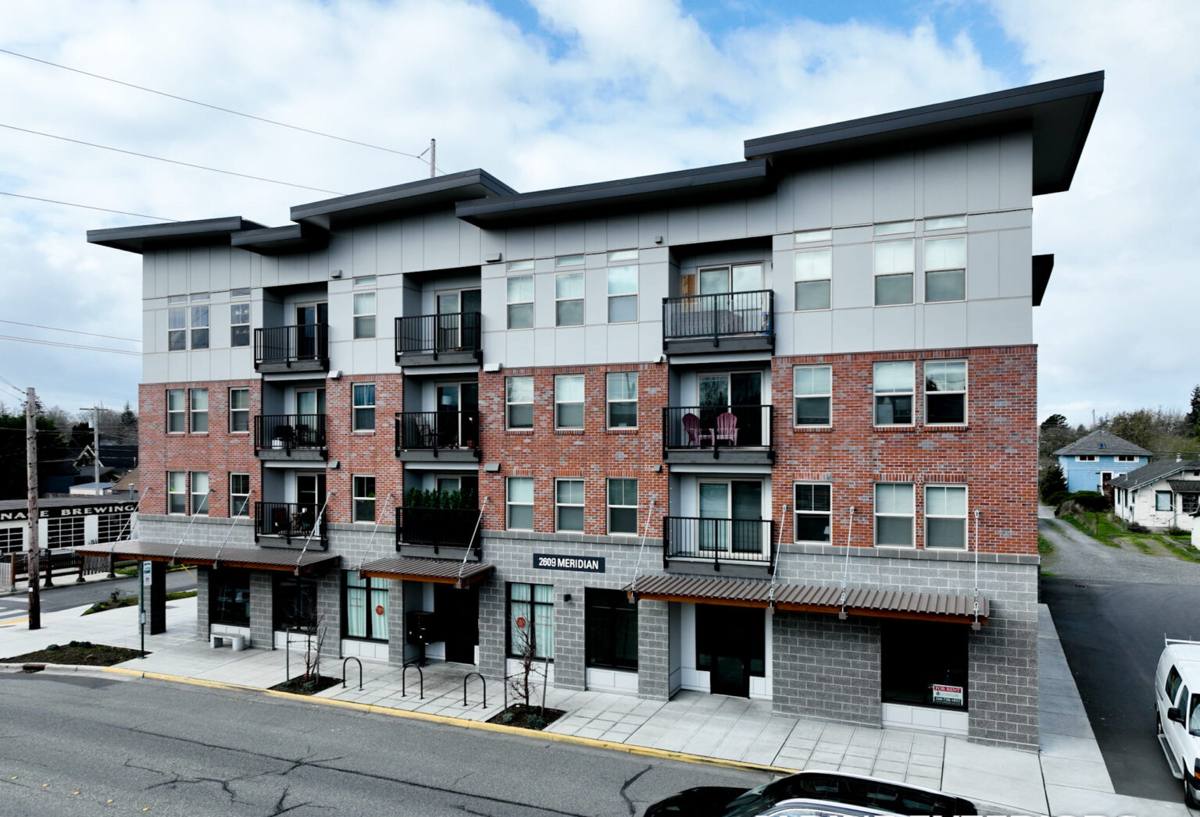
What York's Climate Actually Does to Siding
It helps to be specific about what "coastal Whatcom County weather" means for the outside of a house, because the failure modes aren't hypothetical — they're predictable.
Salt Air
Airborne salt is corrosive to exposed metal fasteners, trim flashing, and lower-grade coatings. Over years, it accelerates rust bleed and finish breakdown on anything not rated for a marine-influenced environment. It also settles into porous or unsealed siding surfaces and holds moisture against the substrate longer than it would inland.
Driving Rain
Wind-driven rain doesn't just wet the surface of a wall — it gets pushed sideways and upward into laps, seams, and penetrations that a calm-weather rain would never reach. Siding systems that rely on caulk alone to keep water out, rather than proper lap geometry and flashing, tend to show their weaknesses here first.
Moss Season
Shaded, north-facing, and tree-adjacent walls in York can stay damp for weeks at a stretch during fall and winter. That's exactly the environment moss and algae need to establish. On siding that absorbs moisture — raw wood, some composite panels, poorly sealed cut edges — that damp organic growth holds water against the material and shortens its life. On a factory-finished, moisture-resistant material, it's mostly a surface issue that rinses off.
Why We Install Only James Hardie Fiber Cement
We don't install vinyl, LP SmartSide, Cemplank, Allura, primed spruce, or cedar. That's a deliberate standard, not a limitation of what we're capable of installing. Each of those products has real strengths, but each also has a trade-off that shows up specifically in a climate like York's:
- Vinyl expands and contracts with temperature swings, can warp or crack in wind-driven storms, and its seams are a weak point for water intrusion over time.
- LP SmartSide and other engineered wood products use wood strand cores that are vulnerable if the factory coating is ever breached — a nick, a poorly sealed cut edge, or a missed caulk joint can let moisture into the core.
- Primed spruce and cedar are natural wood products that need ongoing paint and sealant maintenance to keep moisture out, and in a damp, moss-prone environment that maintenance burden only grows.
- Other fiber cement brands (Cemplank, Allura) compete reasonably on the material itself, but we've standardized on Hardie's ColorPlus factory finish, HZ5 climate-engineered formulation, and warranty structure because it's the combination we trust to perform over decades on this coast.
James Hardie fiber cement is non-combustible, doesn't support moss and algae growth the way wood-based products do, and comes from the factory with a baked-on ColorPlus finish that resists the fading and chalking that raw-primed products are prone to. It's not the cheapest option on day one, but it's the one we're willing to put our name on in a climate this demanding.
What a Correct Installation Actually Involves
Fiber cement siding is only as good as the installation behind it. Most siding failures we get called to look at — regardless of brand — trace back to installation shortcuts, not the material itself. In a wet, salt-exposed climate like York's, the details matter more than usual.
Water Management Comes First
Before a single piece of siding goes up, the wall needs a correctly lapped weather-resistant barrier, properly integrated window and door flashing, and drainage space where the siding system calls for it. Fiber cement doesn't fix a bad water management plan underneath it — it just hides it until the damage shows up as rot in the framing.
Clearances and Gaps
Hardie's installation specs call for minimum clearances from grade, roof lines, decks, and other siding terminations, plus small gaps at butt joints and trim to allow for seasonal movement. Skipping these clearances is one of the most common ways we see moisture wick into siding from below or from a lower deck or paver surface.
Fasteners
In a salt-air environment, fastener corrosion resistance isn't optional. We use fasteners rated for the exposure and drive them to the manufacturer's specified depth — overdriven or underdriven nails are a common cause of premature cracking and loosened boards in coastal wind events.
Caulking and Sealant
Caulk is a backup, not a primary water barrier. It's used at trim and penetrations per Hardie's specifications, with a quality sealant rated for exterior movement — not as a substitute for correct flashing and lap technique.
Finish Integrity
Every cut edge on a ColorPlus board gets sealed with the manufacturer's touch-up product before installation. An unsealed cut edge is a direct path for moisture into the substrate, and it's one of the easiest details to skip if a crew is moving fast.
Our Process for a York Installation
- On-site assessment — we walk the exterior, check current siding and sheathing condition, note shaded or moss-prone wall sections, and look at existing water management (gutters, grade, flashing).
- Scope and product selection — we recommend the Hardie line, profile, and ColorPlus color that fits the home and the exposure of each elevation, since a shaded north wall and a wind-exposed west wall don't always need identical treatment.
- Written estimate — clear scope, material, and price, with no vague allowances.
- Prep and water management — removal of old siding where applicable, sheathing inspection and repair, correct weather barrier and flashing installation before any new siding goes up.
- Installation to manufacturer spec — proper clearances, fastening, cut-edge sealing, and trim detailing throughout.
- Final walkthrough — we go over the finished work with you and point out anything you should know about long-term care.
Fiber Cement vs. Other Siding Options at a Glance
| Factor | James Hardie Fiber Cement | Vinyl | Engineered Wood / Cedar |
|---|---|---|---|
| Salt air resistance | Strong — factory finish, non-corrosive substrate | Moderate — hardware and seams are the weak point | Weak without diligent maintenance |
| Moss/algae resistance | Strong — doesn't feed organic growth | Moderate | Weak — wood-based materials are more susceptible |
| Wind-driven rain performance | Strong when installed to spec | Moderate — seams and panel flex are risk points | Depends heavily on coating/paint upkeep |
| Maintenance burden | Low — occasional wash, repaint on your schedule | Low but limited repair options if damaged | High — regular painting/sealing required |
| Fire resistance | Non-combustible | Combustible | Combustible |
Maintenance in a Damp, Shaded Climate
Even the right material benefits from a little routine attention in a climate like York's. None of this is heavy lifting, but it's worth doing on a schedule rather than waiting for a problem to show up.
- Rinse siding annually, and more often on shaded or tree-adjacent walls where moss and algae tend to establish first.
- Keep gutters clear so overflow doesn't run down the face of the siding repeatedly during heavy rain.
- Keep plantings and mulch beds pulled back from the base of the wall to maintain the manufacturer's clearance and airflow.
- Have caulk joints and trim checked periodically — sealant is the first thing to age out, well before the siding itself.
- Repaint on your own schedule when you want a color change; ColorPlus finish doesn't require repainting for protection the way raw wood siding does.
Why Hiring a Crew That Already Works in York Matters
A siding installer who hasn't worked this specific stretch of Whatcom County can still do competent work, but they're guessing at things a local crew already knows: which elevations in York tend to hold shade and moisture longest, how much salt exposure a given lot actually gets based on its position relative to the water, and which drainage and grading issues show up repeatedly on homes in this area. That local pattern recognition shortens the assessment phase and reduces the odds of a callback for a problem that was predictable from the start.
Questions Worth Asking Before You Hire
- Is the crew installing to the manufacturer's written installation instructions, not just "how we've always done it"?
- Are cut edges being factory-sealed before the board goes on the wall?
- What weather-resistant barrier and flashing details are planned before siding goes up — not just "we'll caulk it"?
- What fastener type and spacing are being used, and are they rated for this exposure?
- Is the estimate written with specific product lines and colors, or vague material allowances?
- Does the warranty cover both the product and the labor, and is it transferable if you sell the home?
Cost Factors for a York Fiber Cement Project
| Factor | How It Affects Cost |
|---|---|
| Home size and wall complexity | More corners, gables, and trim detail add labor time |
| Removal of existing siding | Tear-off and disposal of old material adds to scope |
| Sheathing/framing condition | Repairs found once old siding is off can add cost |
| Hardie product line and profile | Lap width, panel style, and trim selections vary in price |
| ColorPlus color selection | Most colors are priced similarly; specialty finishes may differ |
| Access and site conditions | Slopes, tight lot lines, or limited staging space affect labor |
Every York property is a little different, which is why we walk the site and write a specific estimate rather than quoting a flat number over the phone.
If your York-area home is due for new siding, or you want a second opinion on a bid you've already received, we're happy to come take a look and walk you through what correct installation should include in this climate. There's a free, no-pressure estimate form below — reach out and we'll get you scheduled.