 Chuckanut Exterior
 Deck Repair Built for York's Weather, Not Just Any Deck
Homes in the York area of Chuckanut sit close enough to open water and heavy tree cover that decks take a beating most inland properties never see. Salt-laden air accelerates corrosion on fasteners and hardware, driving rain finds every seam in a ledger board or picture-frame edge, and a long, damp moss season keeps deck surfaces wet for weeks at a time. A deck that looks fine from the yard can still be losing structural integrity underneath, and by the time a board feels soft or a rail wiggles, the damage is usually further along than it appears.
Repairing a deck correctly in this environment means more than swapping a few boards. It means understanding how water moves through a deck assembly, where Whatcom County's climate concentrates that moisture, and which fixes actually last through another wet season instead of failing again in a year or two.
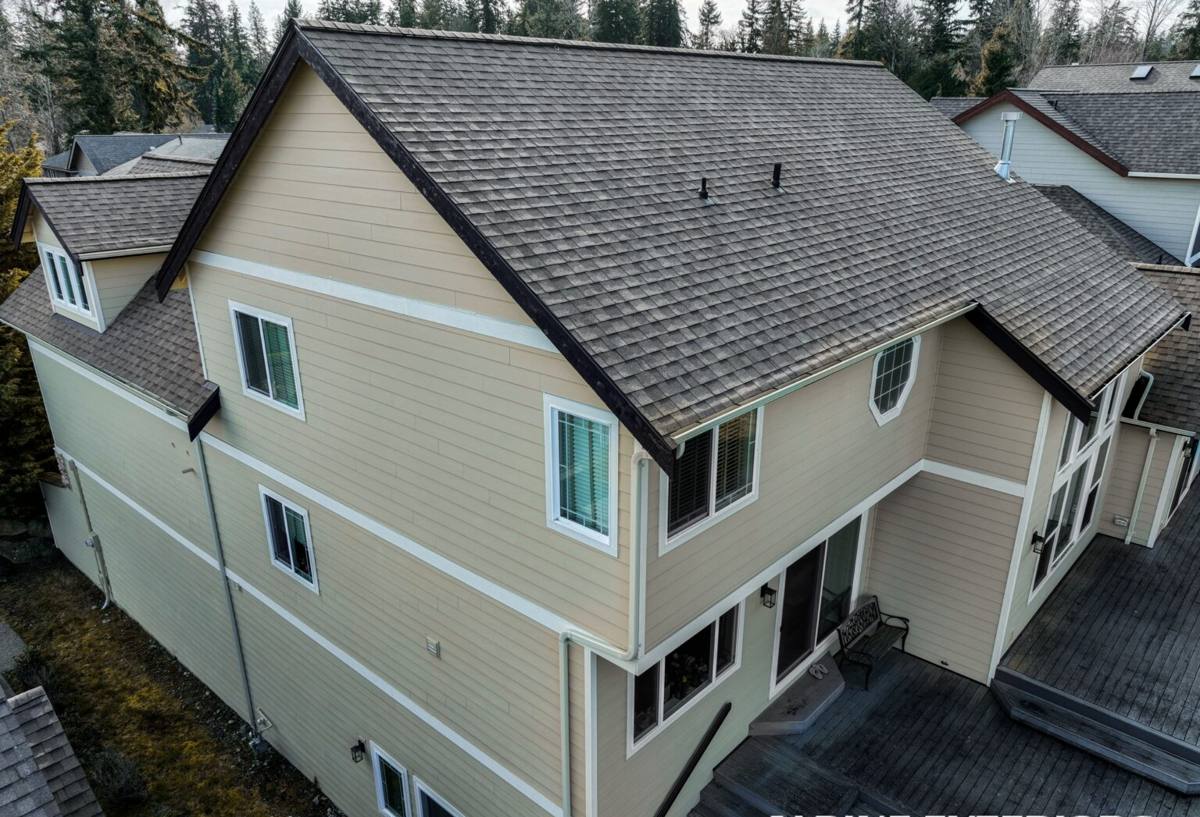
What York's Climate Does to a Deck Over Time
Salt Air and Metal Fatigue
Proximity to Puget Sound air means airborne salt settles on every exposed surface, including the metal you can't easily see: joist hangers, structural screws, post bases, and ledger flashing. Standard fasteners corrode faster here than they would twenty miles inland, and corroded hardware is one of the most common hidden causes of a deck that feels "bouncy" or unstable even though the visible boards look acceptable.
Driving Rain and Water Intrusion
Wind-driven rain doesn't fall straight down — it gets pushed sideways into ledger connections, stair stringers, and any spot where a deck attaches to the house. Once water gets behind flashing or into an unsealed end grain, it doesn't dry out quickly in this climate. It sits, and it starts rot from the inside, which is why a deck can have hidden decay well before surface staining shows up.
Moss and Prolonged Surface Moisture
Shaded lots and the long stretch of wet months common to this part of Whatcom County give moss and algae plenty of time to take hold on decking, especially on the north side of a house or under overhangs. Moss holds moisture directly against the wood or composite surface far longer than open sun and airflow would allow, softening wood fibers and making boards slicker and more dangerous underfoot.
Common Deck Problems We See in the York Area
- Soft or spongy decking boards, most often near the house ledger or in shaded corners
- Rusted or corroded joist hangers, screws, and post-base hardware
- Loose, wobbly, or leaning railings — a safety issue, not just cosmetic
- Stair stringers showing rot at the base where they meet grade
- Persistent moss or green staining that keeps returning after cleaning
- Gaps or separation where the deck meets the house, letting water track behind siding
- Warped, cupped, or split boards from repeated wet-dry cycling
Why Small Deck Problems Escalate Quickly Here
In a drier climate, a small area of soft decking might sit for a couple of seasons without much change. In Chuckanut's wetter, shadier conditions, that same soft spot stays saturated more of the year, so rot spreads faster and reaches structural framing sooner. This is the main reason we push homeowners toward addressing deck issues early rather than waiting for a full replacement to become unavoidable — a repair caught at the board or hardware stage is a fraction of the cost and disruption of rebuilding a substructure.
What a Correct Deck Repair Actually Involves
A proper repair starts below the surface, not at it. Replacing a rotted board without checking the joist underneath just hides the problem for another season.
Our Inspection Process
- Check every ledger connection and flashing detail where the deck meets the house — the single most common source of hidden water damage
- Probe boards, joists, and posts with a moisture meter and awl to find soft wood that isn't visible from above
- Inspect all structural hardware for rust, corrosion, or under-sizing relative to current code
- Evaluate railings and guard posts for looseness, which often points to rotted blocking rather than a simple loose bolt
- Assess drainage and airflow underneath the deck, since poor ventilation is what lets moss and rot problems repeat
The Repair Itself
Once we know the real extent of the damage, repairs typically fall into a few categories: replacing individual boards or sections, sistering or replacing rotted joists, upgrading corroded hardware to better-rated fasteners for coastal exposure, rebuilding rail sections to current safety standards, and correcting flashing or drainage details so the same failure doesn't come back. We only replace what needs replacing — a deck with one compromised area doesn't need a full teardown, but we won't patch over hardware or framing that's already failed just to save a step.
Repair vs. Replacement: How We Help You Decide
| Factor | Favors Repair | Favors Replacement |
|---|---|---|
| Substructure condition | Joists and posts are sound, damage is isolated | Widespread rot in framing or multiple joists |
| Age of the deck | Under 15-20 years, built to a reasonable standard | Original construction is old, undersized, or non-compliant |
| Hardware condition | Corrosion limited to a few connectors | Rust and failure widespread across fasteners |
| Extent of surface damage | A handful of boards or one section | Most of the decking is cupped, split, or soft |
| Budget and timeline | Targeted fix fits current needs and budget | Planning a broader outdoor living upgrade anyway |
We'll give you an honest read on which side of this table your deck falls on before recommending a direction — our goal is a deck that's safe and lasts, not the biggest possible invoice.
Materials and Hardware Choices That Matter in This Climate
Given the salt exposure and rain in the York area, we favor stainless steel or heavily coated, marine-rated fasteners and hardware over standard galvanized options wherever budget allows — the cost difference upfront is small compared to redoing hardware in a decade. For decking material, both quality wood and composite products can perform well here, but each comes with trade-offs worth understanding rather than defaulting to whatever's cheapest.
Wood Decking
Real wood offers a natural look and is generally easier to spot-repair board by board, but it requires regular sealing or staining to hold up against this region's rain and moss cycle. Skipping maintenance is the most common reason wood decks fail early here.
Composite Decking
Composite resists rot and doesn't need staining, which appeals to homeowners who want less upkeep. It still needs periodic cleaning to prevent moss and algae buildup, and repairs are typically done by replacing full boards rather than patching, since composite doesn't take spot repairs the way wood does. We'll walk you through both honestly based on your deck's exposure and how much maintenance you actually want to do.
Our Process, Start to Finish
- Free on-site inspection, including a check underneath the deck and at all ledger connections
- Clear written scope explaining exactly what's failing and why, in plain language
- Straightforward pricing before any work begins — no surprise change orders for problems we should have caught up front
- Repair work scheduled around Whatcom County's wetter months when possible, so materials aren't installed into saturated conditions
- Final walkthrough covering what was repaired and simple maintenance steps to extend the life of the fix
Why Hiring a Crew That Already Works in York Matters
A contractor who regularly works decks in this specific area already knows which failure patterns show up most — where ledger flashing tends to fail, which shaded lot configurations grow moss fastest, and how much hardware corrosion is normal wear versus a sign of a bigger problem. That local pattern recognition means a faster, more accurate diagnosis and fewer surprises once repair work is underway. It also means we're not learning on your deck how this particular stretch of Chuckanut's weather behaves — we already know, because we've seen it on the deck down the street.
Maintenance That Keeps a Repaired Deck Lasting
A repair is only as good as the upkeep that follows it. A few habits go a long way in this climate:
- Clear leaves and debris from between boards regularly, especially in fall
- Clean moss and algae off the surface before it has a chance to soften the wood or composite underneath
- Keep gutters and downspouts clear so runoff isn't dumping extra water directly onto or under the deck
- Re-seal or re-stain wood decking on the manufacturer's recommended schedule, not just when it looks faded
- Have hardware and structural connections checked every few years, since corrosion issues are easy to catch early and expensive to catch late
If your deck in the York area is showing soft spots, loose railings, recurring moss, or you just want a second opinion before a small problem becomes a bigger one, we're happy to take a look. Fill out the form below for a free, no-pressure estimate — we'll tell you honestly what needs fixing and what can wait.