 Chuckanut Exterior
 Why Silver Beach Siding Wears Differently
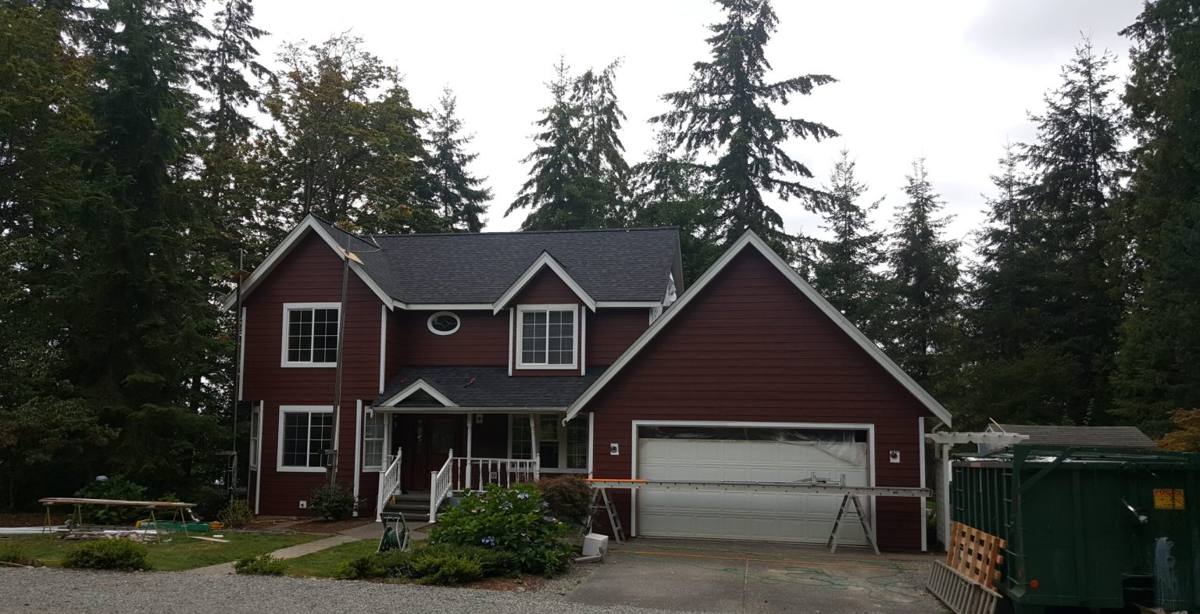
Homes in Silver Beach sit in one of the more demanding microclimates in Whatcom County. Salt-laden air off the water works its way into seams and fasteners year-round, wind-driven rain gets pushed sideways into wall assemblies during winter storms, and shaded, damp lots hold onto moisture long enough to grow moss on siding that never gets a chance to fully dry out. Individually, none of those conditions is unusual for western Washington. Together, and applied to a house day after day for years, they add up to a much shorter lifespan for siding that wasn't built or installed to handle it.
We see the pattern often: siding that still looks fine from the street but is quietly failing at the laps, corners, and butt joints where moisture actually gets in. By the time paint is peeling or boards are visibly cupped, the damage underneath is usually further along than the surface suggests. Understanding what Silver Beach's climate actually does to siding is the first step in deciding whether repair, partial replacement, or a full re-side is the right call.
What Salt Air, Rain, and Moss Actually Do
Salt Air
Airborne salt is corrosive to metal fasteners, flashing, and trim, and it accelerates the breakdown of coatings that aren't rated for coastal exposure. Siding painted with a standard interior-grade or budget exterior paint will chalk and fade faster near the water than it would a few miles inland.
Driving Rain
Wind-driven rain doesn't just fall on siding, it gets forced sideways and upward into any gap, lap joint, or fastener hole that isn't properly sealed and flashed. Over time, water intrusion at these points is the single biggest cause of hidden rot in the sheathing and framing behind the siding, not the siding material itself.
Moss and Prolonged Dampness
Shaded, tree-lined lots near the water hold moisture longer after a rain. Moss and algae take hold on any siding surface that stays damp, and their root structures hold water against the material, extending the time siding spends wet. On products sensitive to moisture, that constant damp cycle is what drives swelling, delamination, and premature paint failure.
Signs Your Siding Has Reached the End of Its Useful Life
- Boards that are soft, spongy, or crumble slightly when pressed near the bottom edges or corners
- Persistent moss or algae growth that returns within weeks of cleaning
- Paint that is peeling, bubbling, or chalking heavily rather than just fading evenly
- Visible gaps, warping, or cupping in individual boards or panels
- Soft or discolored trim around windows and doors, which often signals moisture behind the siding
- A musty smell in interior rooms along exterior walls, especially after heavy rain
- Rising energy bills that suggest the wall assembly is no longer performing as insulation
Any one of these on its own might be a spot repair. Several at once, especially combined with soft sheathing underneath, usually means the siding system as a whole is compromised and a full replacement is the more honest recommendation.
Why We Only Install James Hardie Fiber Cement
We've made a deliberate decision not to install vinyl, LP SmartSide, primed spruce, cedar, or off-brand fiber cement products. That's not a marketing position, it's a response to what we consistently see fail in this exact climate. Vinyl can warp and crack under temperature swings and doesn't hold up well to prolonged moisture exposure at the seams. Wood-based products, whether solid cedar or engineered wood siding, are organic materials that are inherently more vulnerable to the moisture cycling this area produces, no matter how well they're sealed initially.
James Hardie fiber cement is non-combustible, dimensionally stable, and engineered specifically for climate zones like ours through its HZ product lines. It doesn't absorb water the way wood-based products do, which matters enormously in a place where siding spends a large part of the year damp. The factory-applied ColorPlus finish is baked on under controlled conditions rather than field-painted, which gives it far more consistent resistance to fading and chalking from salt air and UV exposure than a job-site paint job can match. Backed by a strong transferable warranty, it's the product we're willing to put our name behind on homes that face this exposure every day.
What a Correct Siding Replacement Actually Involves
Replacing siding is not simply removing old boards and nailing up new ones. Done correctly, it's a full building-envelope job:
- Full tear-off and inspection — removing the old siding to expose the sheathing and framing underneath, checking for rot, soft spots, or prior water damage that needs to be repaired before anything new goes up.
- Sheathing repair — replacing any compromised sheathing rather than covering it over, since new siding installed over damaged substrate will fail again regardless of the product used.
- Weather-resistive barrier — installing a proper house wrap or weather barrier that manages bulk water and allows the wall assembly to dry, which is especially important given how much driving rain this area gets.
- Flashing at every penetration — windows, doors, vents, and hose bibs all need correctly lapped flashing so water is directed out and down rather than trapped behind the siding.
- Correct fastening and gapping — Hardie products have specific nailing patterns, fastener types, and expansion gap requirements. Skipping these details is the most common cause of manufacturer warranty claims being denied.
- Trim, caulking, and finish work — proper trim details and sealant at the right joints, not every joint, since over-caulking can trap moisture rather than shed it.
Our Process for Silver Beach Homes
We start with an on-site assessment that looks past the visible siding to the condition of the wall assembly underneath, since that's what actually determines the scope of the job. From there we walk through material selection, appropriate for the home's sun and wind exposure, review the project timeline, and handle removal, disposal, and site protection so the job doesn't disrupt the rest of the property more than necessary. Installation follows manufacturer specifications for fastening, flashing, and gapping, and we do a final walkthrough before calling the job complete. Because we work this area regularly, we already have a good sense of which exposures on a given lot tend to take the brunt of the weather, which shapes how we sequence and detail the install.
Cost Factors to Understand
Every home is different, but the factors that actually move the price on a Silver Beach siding replacement are fairly consistent:
| Factor | Why It Matters |
|---|---|
| Extent of hidden damage | Rot or soft sheathing found during tear-off adds repair scope that can't be fully known until the old siding is off |
| Home size and wall complexity | More corners, dormers, and trim details mean more labor and material cutting |
| Siding profile and finish choice | Lap width, texture, and ColorPlus finish options affect material cost |
| Site access and exposure | Water-facing sides with heavy wind exposure often need extra flashing and trim detail work |
| Existing barrier condition | Whether the weather-resistive barrier can be reused or needs full replacement |
We give straightforward, itemized estimates so homeowners can see what's driving the number rather than a single lump figure.
Why a Crew That Already Works Silver Beach Matters
Siding installation isn't one-size-fits-all across Whatcom County. A crew that mainly works drier, inland neighborhoods may not think twice about detailing choices that matter enormously on a water-exposed lot in Silver Beach, like which side of the house needs extra flashing attention, how much ventilation gap to leave behind the siding, or which trim details tend to trap moisture in this specific setting. Familiarity with local conditions isn't a nice-to-have, it's what keeps a siding job performing well for decades instead of five or six years.
Protecting Your Investment After Installation
Correctly installed Hardie siding is low-maintenance, but "low" doesn't mean "none." A little attention keeps it performing at its best in this climate:
- Rinse siding periodically to remove salt residue and organic buildup, especially on shaded or north-facing walls
- Keep gutters clear so overflow doesn't run down the siding face
- Trim back vegetation and tree cover that keeps siding shaded and damp longer than necessary
- Have caulking and trim joints checked every few years and resealed if they've cracked or pulled away
- Address any impact damage or chipped finish promptly rather than letting moisture find a way in
If your Silver Beach home is showing signs of siding fatigue, or you're simply planning ahead, we're happy to take a look and walk you through what we find. Reach out for a free, no-pressure estimate using the form below.