 Chuckanut Exterior
 Siding Built for the Samish Stretch of Chuckanut
Homes along the Samish area of Chuckanut sit in one of the more demanding microclimates in Whatcom County. You've got the Salish Sea and Samish Bay pushing salt-laden air inland, steep wooded terrain that funnels wind-driven rain sideways instead of straight down, and dense evergreen cover that keeps siding shaded and damp for months at a stretch. Siding that would hold up fine in a drier inland town can start showing real problems here inside a few years. This page covers what a correct siding installation looks like for a Samish home specifically — not siding in general — and why the details matter more here than almost anywhere else in the county.
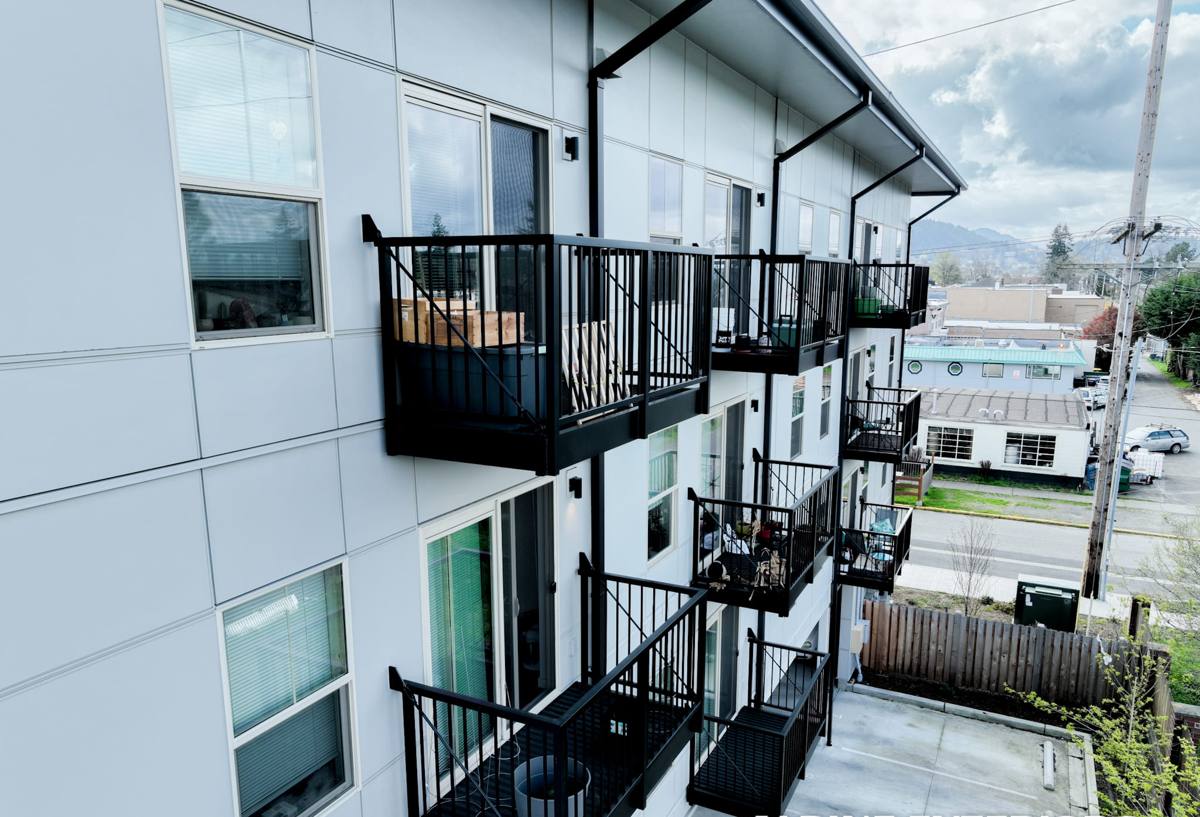
What This Climate Actually Does to Siding
Salt Air and Coastal Exposure
Proximity to Samish Bay and the broader Salish Sea means airborne salt settles on exterior surfaces year-round, not just during storms. Salt is hygroscopic — it pulls moisture out of the air and holds it against whatever it lands on. On wood-based products that means accelerated swelling, cracking, and paint failure. On untreated fasteners and trim it means corrosion. A siding system has to be chosen and installed with that constant low-grade salt exposure in mind, not just the rain.
Driving Rain and Wind-Driven Moisture
Chuckanut's terrain — steep slopes rising straight off the water — creates wind patterns that drive rain sideways into wall assemblies rather than letting it run straight down and off. That means water gets pushed up under laps, into butt joints, and behind trim in ways that flatter, more sheltered sites never experience. Any installation that treats flashing and drainage as an afterthought is going to leak here, usually within the first few wet seasons.
Moss, Shade, and the Long Wet Season
The dense tree canopy that makes this part of Chuckanut so appealing also means many homes get long stretches of shade, especially on north- and east-facing walls. Combine that with Western Washington's extended wet season and you get near-ideal conditions for moss and algae growth on anything with texture or porosity for it to grip. Once moss establishes itself on siding, it holds moisture against the wall surface even longer, which compounds every other problem on this list.
What a Correct Installation Involves
The Drainage Plane Comes First
Before a single piece of siding goes up, the wall needs a continuous weather-resistive barrier and, on most Samish homes, a rainscreen gap behind the siding. That gap lets any water that does get past the cladding drain and dry out instead of sitting against the sheathing. Skipping this step is one of the most common shortcuts on rushed jobs, and it's exactly the detail that matters most in a driving-rain environment like this one.
Flashing and Trim Details
Every window, door, deck ledger, and roof-to-wall transition is a place water wants to get in. Correct installation means integrated flashing at every one of these points, with laps that shed water downward and outward rather than trapping it. Around here, we pay particular attention to head flashing above windows and to the transitions where lower roof lines meet upper walls — those are the spots where wind-driven rain finds gaps in a corner-cutting install.
Fastening and Clearances
Fiber cement has to be fastened according to the manufacturer's schedule — right nail type, right spacing, right depth — or the warranty is void and the panels can work loose over time. Ground clearance and gaps at decks, patios, and grade also matter more here: keeping siding a proper distance off any surface that holds moisture or debris cuts down on the splash-back and standing moisture that feed both rot and moss.
Why We Only Install James Hardie Fiber Cement Here
We don't install vinyl, LP SmartSide, or untreated wood siding, and in a climate like Samish's, the reasons are practical rather than a sales pitch. Vinyl expands and contracts significantly with temperature swings and can crack or warp under sustained damp-cold conditions; its seams also give salt-laden moisture more places to work in over time. Engineered wood products like LP SmartSide rely on a factory coating and strand-board substrate that, if that coating is ever compromised at a cut edge or fastener hole, allows moisture into the wood fiber — a real risk given how much standing moisture this area holds through the wet season. Untreated or primed wood needs a maintenance schedule that most homeowners can't realistically keep up with, especially on shaded, hard-to-reach walls.
James Hardie fiber cement is non-combustible, doesn't swell or rot when it takes on moisture, and comes from the factory with a ColorPlus finish that's baked on rather than field-applied — which matters directly for moss and algae resistance, since a smoother, more consistent factory finish gives organic growth less to grip onto than a rough-sawn or field-painted surface. Hardie's climate-engineered product lines are built specifically to handle regions like ours, with moisture and freeze-thaw performance data behind them, and the manufacturer backs it with a strong transferable warranty. When it's installed to spec, it's the system that holds up best against everything Samish's climate throws at a house.
Comparing Siding Options for a Samish Property
| Factor | James Hardie Fiber Cement | Vinyl | LP SmartSide / Engineered Wood | Untreated Cedar/Spruce |
|---|---|---|---|---|
| Salt air resistance | Strong — non-porous, factory-finished | Moderate — seams and fasteners vulnerable | Moderate — depends on coating integrity | Weak — absorbs moisture and salt |
| Moss/algae resistance | Strong — smooth ColorPlus finish | Moderate — textured grades hold growth | Weak to moderate — textured surface grips moss | Weak — natural grain holds spores |
| Wind-driven rain tolerance | Strong when installed with rainscreen | Moderate — seam leaks possible | Moderate — edge exposure risk | Weak without heavy maintenance |
| Combustibility | Non-combustible | Combustible | Combustible | Combustible |
| Typical maintenance | Occasional wash, repaint on long cycle | Low, but limited repair options | Coating checks, edge sealing | Regular staining/sealing |
Our Process for a Samish Siding Project
- On-site assessment of existing siding, sheathing condition, and problem areas — with particular attention to shaded walls and any signs of past moisture intrusion.
- Removal of old siding and inspection of the sheathing underneath, repairing or replacing any water-damaged framing before anything new goes up.
- Installation of a continuous weather-resistive barrier and rainscreen drainage gap.
- Flashing integration at every window, door, and roof transition, sequenced so water always sheds outward and down.
- James Hardie plank, panel, or shingle installation per the manufacturer's fastening schedule for our climate zone.
- Factory-finished trim and caulking at the joints that actually need it — not as a substitute for correct flashing.
- Final walkthrough covering care and what to watch for given the site's specific shade and exposure conditions.
Living With Siding in a Moss-Prone, Salt-Air Environment
Even the right product needs a little basic upkeep to perform its best over decades. None of this is heavy maintenance — it's the kind of periodic attention that keeps a good installation good.
- Rinse shaded, north-facing walls more often than sun-exposed ones — they hold moisture longest and are where moss gets a foothold first.
- Keep gutters clear so overflow doesn't run down the wall face and feed algae growth at trim lines.
- Trim back branches and shrubs that keep siding in constant shade or drip zones close to the wall.
- Watch caulking at trim joints and reseal if it cracks or pulls away — small gaps are easy to fix before they let water in.
- Have flashing at decks, windows, and roof transitions checked periodically, especially after a hard windstorm off the water.
Cost Factors for a Samish Project
Every home is different, but the same handful of factors drive most of the cost variation we see on siding jobs in this area: the condition of the sheathing once old siding comes off, the number of window and door openings that need flashing, the home's overall square footage and wall complexity, and whether extensive moss or moisture damage requires additional repair before new siding goes on. We give a firm, itemized quote after the on-site assessment rather than a rough phone estimate, because the sheathing condition especially can't be judged from the outside.
Why Hire a Crew That Already Works This Stretch of Chuckanut
A crew that only occasionally works this part of Whatcom County can miss what's routine for us: which walls on a given lot get the least sun and need extra drainage attention, how far salt exposure reaches inland from the water, and how aggressive moss growth gets on shaded siding left unchecked for even a season or two. Getting flashing and drainage details right the first time matters more here than in drier parts of the county, because the consequences of a shortcut show up faster — and cost more to fix — in this climate than almost anywhere else.
If your Samish home's siding is showing moss, staining, or soft spots, or you're planning ahead for a replacement, we're happy to take a look and put together a straightforward, no-pressure estimate. Use the form below to get started.