 Chuckanut Exterior
 Building New in Larrabee? Get the Windows Right Before the Siding Goes On
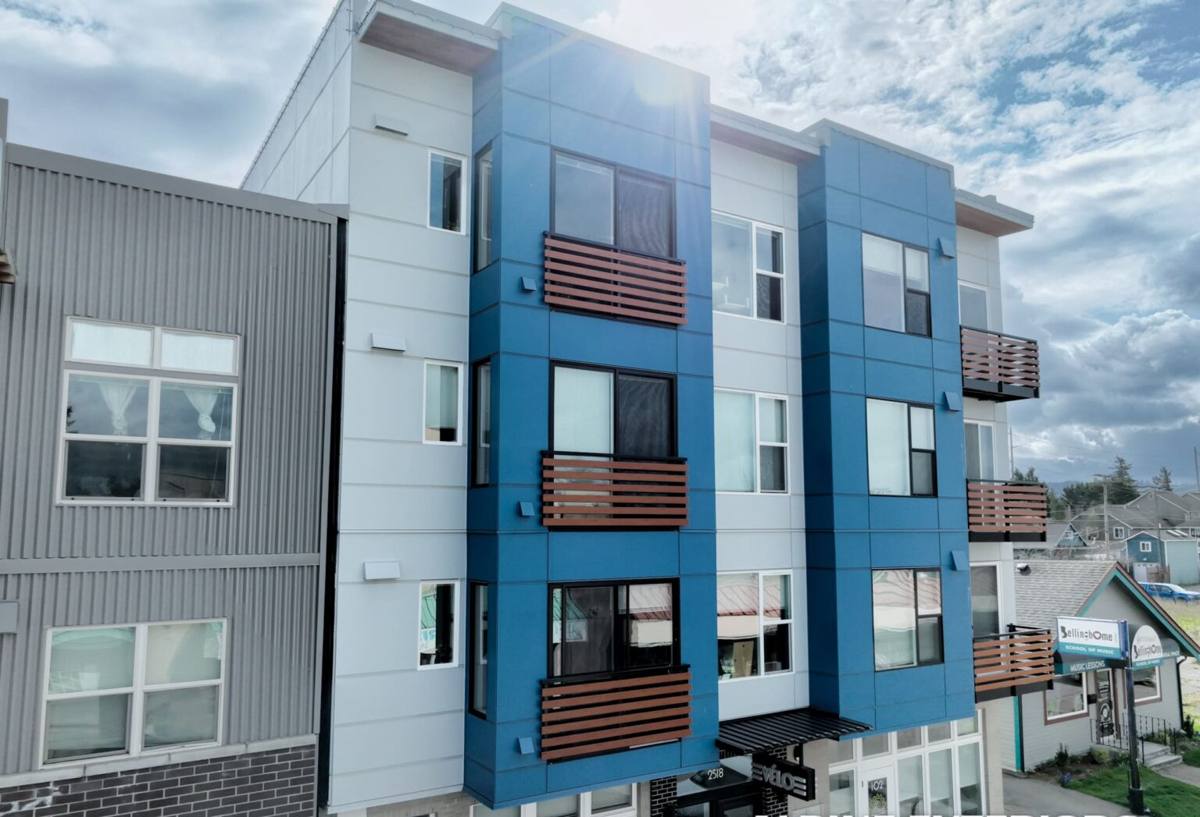
If you're framing a new home in Larrabee, you have a narrow window — literally — to get window installation right before the building envelope closes up. Once siding, trim, and interior finish work are in, fixing a bad flashing detail means tearing into finished walls. New construction is the one time a builder gets to install windows the way they're actually designed to be installed, with full access to the rough opening, the house wrap, and the flashing sequence. Get it right here and the windows should perform for decades. Get it wrong and Chuckanut's weather will find the mistake for you, usually within the first two wet seasons.
We install new-construction windows for homes going up in and around Larrabee, and we've built our process around what this specific stretch of Whatcom County throws at a building envelope: salt-laden air off the water, wind-driven rain that doesn't fall straight down, and a moss season that runs longer here than in drier parts of the county. None of that is a problem if the window and its flashing are installed correctly the first time.
What Larrabee's Climate Actually Demands From a Window Install
Salt Air and Slow Corrosion
Homes near the water pick up airborne salt that settles on every exterior surface, including window frames, fasteners, and flashing. Over years, salt exposure accelerates corrosion on lower-grade hardware and can degrade certain metal flashings and fasteners faster than manufacturers' standard warranties assume. This doesn't mean every part needs to be marine-grade, but it does mean fastener selection and flashing metal choice matter more here than they would on a build twenty miles inland.
Driving, Wind-Driven Rain
Chuckanut's exposure means rain rarely falls straight down — wind pushes it sideways and up under trim, sills, and anywhere a gap exists. A window that would stay dry in a calm downpour can still leak here if the flashing isn't lapped correctly to shed water outward and down, not just cover the opening. This is why sill pan flashing and proper head flashing sequencing aren't optional extras on a Larrabee build — they're the difference between a window that sheds water for 30 years and one that quietly rots the framing behind it.
A Long Moss and Moisture Season
Whatcom County's wet season stretches long, and Larrabee's tree cover and shoreline humidity keep surfaces damp even between storms. Moss and algae don't just grow on roofs — they colonize window sills, trim, and any horizontal surface that stays wet. Beyond the cosmetic issue, sustained dampness against wood trim or poorly sealed frames is what eventually causes rot. Window and trim choices that shed water quickly and dry fast matter more here than in a drier climate.
New-Construction vs. Replacement: Why the Distinction Matters
New-construction windows are built with a nailing fin around the perimeter of the frame, designed to be fastened directly to the sheathing and integrated into the house wrap and flashing system before siding goes on. Replacement (or "pocket") windows are built to slide into an existing frame with the old exterior trim left in place — a different product for a different situation. Using a replacement-style window on a new build, or installing a new-construction window without proper fin integration, undermines the whole point of building new: full control over how water is managed at the opening. On a fresh build in Larrabee, there's no excuse to compromise on this — the access is there, so the detailing should be done right.
What a Correct New-Construction Install Actually Involves
A window install is only as good as the sequence it follows. Skipping steps or doing them out of order is the single most common cause of hidden water intrusion in new builds, and it's invisible from the outside until the damage shows up years later.
- Sill pan flashing installed first, sloped to drain water out and away from the framing, not just laid flat
- Housewrap integration so water shed by the wrap flows over, not behind, the window flange
- Jamb and head flashing lapped in the correct shingle-style order — bottom pieces installed first, each successive layer overlapping the one below
- Proper shimming and squaring of the unit in the rough opening so the window operates correctly and doesn't stress the frame over time
- Fastening per manufacturer spec — correct fastener type and spacing, especially important given salt-air corrosion risk near the water
- Backer rod and sealant at the interior and exterior, sized and placed correctly rather than just caulked over gaps
- Weep path clearance so any water that does get into the frame track has somewhere to drain back out
Every one of these steps takes minutes to do right and hours to fix later. On a new build, there's no reason to skip any of them.
Choosing Frame Materials for This Climate
Frame material affects how a window handles moisture, salt exposure, and the freeze-thaw-damp cycle typical of a Whatcom County winter. There's no single right answer for every home — it depends on budget, architectural style, and how exposed the building site is to wind and water.
| Frame Material | Moisture/Salt Behavior | Maintenance | Best Fit |
|---|---|---|---|
| Vinyl | Won't rot or corrode; performs well in salt air | Low — occasional cleaning | Budget-conscious builds, rental or spec homes |
| Fiberglass | Very stable in temperature swings and moisture; strong salt-air performance | Low | Larger openings, energy-focused builds |
| Wood-clad | Interior wood warmth with an exterior clad shell; clad layer needs to be fully intact to protect the wood beneath | Moderate — watch for clad seams and touch-up needs | Custom or traditional-style homes where interior wood look matters |
| Aluminum | Strong but conducts heat/cold and can corrode faster in salt air unless properly finished | Moderate to high near the water | Modern architectural styles, less common in this climate |
For a Larrabee build with real shoreline exposure, we generally steer clients toward vinyl or fiberglass unless the design specifically calls for a wood-clad look — and if it does, we're upfront about the extra attention that clad seams need in a salt-air, high-moisture environment. This isn't a knock on any manufacturer; it's just an honest read on maintenance burden given where the house sits.
How Our Process Works on a New Build
- Plan review — we look at the window schedule and rough opening sizes against the actual site conditions, including exposure to prevailing wind and rain direction
- Timing coordination — we work with your builder or GC so windows go in at the right point in the framing sequence, not rushed ahead of house wrap or delayed past dry-in
- Flashing and install — sill pans, house wrap integration, and shingle-lapped flashing done in the correct order, checked before trim and siding cover it up
- Squaring, shimming, and operation check — every unit tested for smooth operation before we move on
- Sealant and weep path check — final seal and drainage path confirmed before the crew leaves the opening
- Walkthrough — we go through what was installed and how it was flashed, so you or your builder have a clear record before the walls close up
Because the flashing work happens before siding, this is also the point where a second set of eyes matters most — errors here are cheap to fix now and expensive to fix later.
Mistakes We Watch For on New Builds
Most window callbacks we see on new construction trace back to a handful of avoidable errors, often made by crews rushing to keep a framing schedule:
- Sill pan skipped or installed flat instead of sloped to drain
- House wrap tucked behind the flange instead of lapped over it
- Flashing tape applied out of shingle order, creating a reverse lap that traps water
- Fasteners driven through the frame instead of the nailing fin, voiding manufacturer warranty terms
- Windows set out of square, causing hardware wear and air leaks within a few years
- Sealant used to "fix" a flashing gap instead of correcting the flashing itself
Any one of these can pass a casual visual inspection and still fail in three to five years, right around when driving rain and a wet Chuckanut winter finally find the gap.
Cost Factors for a New-Construction Window Package
Pricing for a whole-house new-construction window package varies a lot based on the home's design and site conditions. Rather than quote a number that won't mean much without seeing your plans, here's what actually drives the cost up or down:
| Factor | Effect on Cost |
|---|---|
| Number and size of openings | More and larger windows raise both material and labor cost |
| Frame material chosen | Vinyl is typically the most economical; fiberglass and wood-clad cost more upfront |
| Site exposure to wind and rain | Higher-exposure sites may warrant upgraded flashing details, adding labor time |
| Performance glass package | Upgraded glazing for energy performance or sound adds cost per unit |
| Access and site conditions | Steep lots or tight staging areas near the water can add labor time |
| Timing with the build schedule | Coordinated, single-visit installs are more efficient than staggered ones |
We'll walk your plans with you and give you real numbers once we know the window schedule and site details — not a rough guess that changes once we're on site.
Why It Matters That We Already Work in Larrabee
Flashing details that work fine in a sheltered inland lot can fall short on a site with direct wind and rain exposure off the water. A crew that's already worked through a few Chuckanut winters knows which details need the extra attention here — heavier flashing overlap on exposed elevations, fastener choices that hold up to salt air, and trim details that shed water instead of holding it against the wall. That's not something you learn from a manufacturer's install manual alone; it comes from seeing how a specific stretch of coastline actually treats a building over time. For a new build, getting that local knowledge involved before the walls close up is worth more than it costs.
Ready to Talk Through Your Build?
If you're framing a new home in Larrabee or elsewhere around Chuckanut and want the window installation done right the first time, we're happy to walk your plans, talk through material options, and give you a straightforward estimate — no pressure, no obligation. Use the form below to get started.