 Chuckanut Exterior
 Lake Samish sits in the hills south of Bellingham, tucked into forested slopes not far from Chuckanut Drive, and the homes around it live a little differently than a typical inland lot. Many properties run down toward the water on a grade, sit under heavy tree cover, and stay shaded and damp longer than a house out in the open. A deck here isn't just an outdoor living space — it's the structure that has to hold up under a slope, a canopy, and a climate that gives wood and hardware very little downtime to dry out. This page covers what a deck at Lake Samish actually needs, what a correct build looks like, and how we approach the work when we're already familiar with this specific stretch of Whatcom County.
What Lake Samish Properties Ask of a Deck
Waterfront and near-water lots at Lake Samish tend to share a few things that flatter inland yards don't have to deal with. Grade is one — a lot of decks here step down toward the water or bridge a slope, which means more substantial framing and footing work than a deck built flat off a walkout basement. Tree cover is another. The forested hills around the lake keep a lot of yards shaded through most of the day, which is pleasant in July but means decking, framing, and fasteners stay wet longer after every rain than they would on an open, sun-exposed lot.
Then there's how these decks actually get used. A lot of Lake Samish decks are doing double duty as the transition space between the house and the water — stairs down to a dock, a spot to rinse off, furniture that lives outside most of the season. That means more foot traffic, more exposure to splash and moisture off the lake itself, and less patience for a deck surface that gets slick or spongy when it's wet.
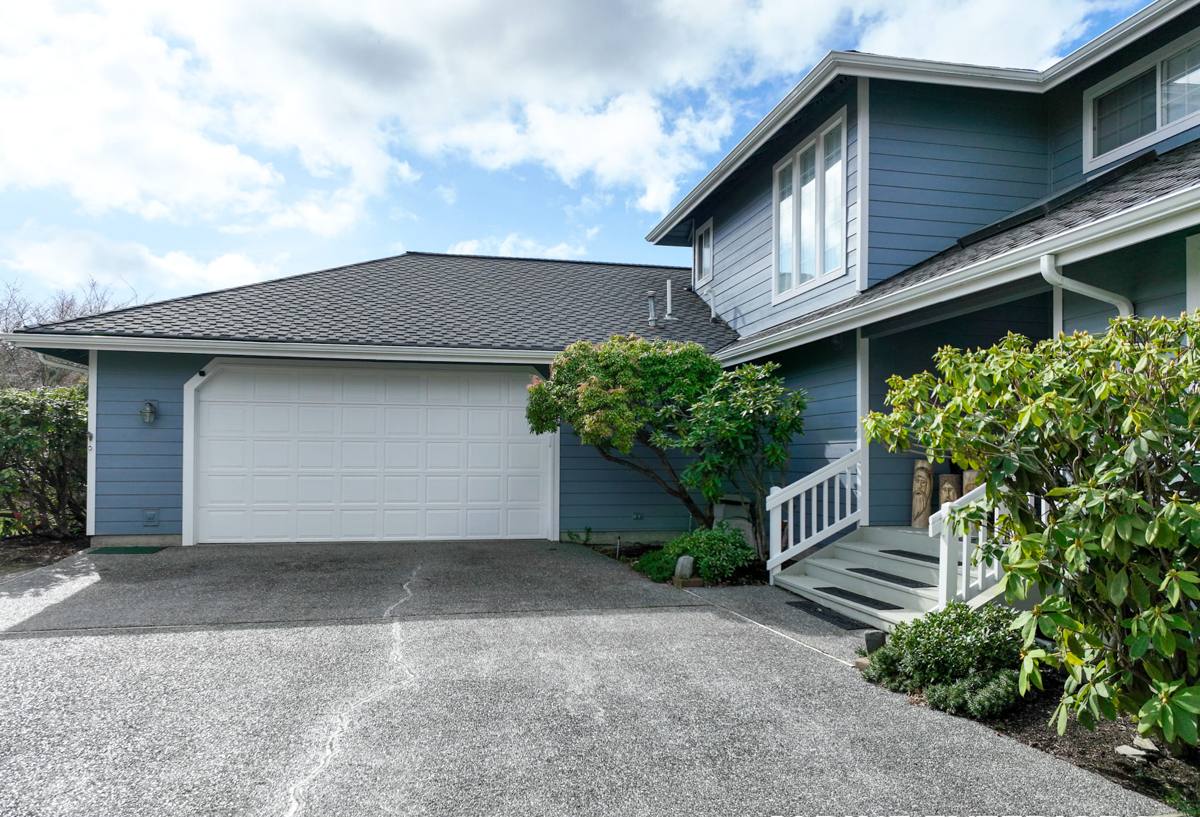
What Chuckanut's Climate Does to a Deck
The broader Chuckanut area deals with a specific combination of weather that's harder on outdoor structures than most homeowners expect: salt-tinged air moving inland off the bay, driving rain that comes in sideways during winter storms rather than falling straight down, and a moss season that can run most of the year on shaded surfaces. A deck at Lake Samish gets all of that on top of the shade and dampness the lake and tree canopy already add. It's a tougher environment for a deck than an open, sunny lot even a few miles away.
None of that means a deck can't hold up here — it means the details that don't matter much in a dry climate matter a great deal in this one. Flashing, fastener choice, and drainage aren't optional extras on a Lake Samish deck. They're the difference between a structure that's still solid in fifteen years and one that starts showing soft spots and rust streaks in five.
Where Deck Failures Actually Start
When we get called out to look at a failing deck in this area, the damage almost never starts in the middle of the decking boards. It starts at the connection points: the ledger board where the deck attaches to the house, the tops of joists under the decking, the base of posts sitting in or near standing water after a storm, and any fastener that wasn't rated for a wet, semi-shaded environment. Water finds the seams and the metal first. By the time rot or corrosion is visible on the surface, it's usually been working underneath for a season or two already.
Choosing Decking Material for a Lake Samish Site
There's no single right decking material for every lot at the lake — shade level, budget, and how close a deck sits to the water all factor in. What we can do is lay out the honest trade-offs for the options that actually make sense in this climate, rather than pushing whichever one is easiest for us to install.
| Material | How it handles this climate | Maintenance | Relative cost |
|---|---|---|---|
| Pressure-treated wood | Solid performer if kept sealed; end grain and fastener points are the weak spots in a shaded, wet lot | Regular sealing or staining, more often on shaded sections | Lowest upfront |
| Cedar | Naturally decay-resistant but still an organic material — depends on finish upkeep to shed moisture and resist moss | Re-staining every few years, closer inspection on north-facing or shaded runs | Mid-range |
| Composite decking | Doesn't absorb water or feed moss the way wood does; performs consistently across sun and shade | Periodic washing; no sealing or staining required | Higher upfront, lower ongoing |
| Tropical hardwood | Very dense and naturally moisture-resistant, but installation-sensitive — fastener and gapping mistakes are costly to fix later | Occasional oiling to maintain color; structurally low-maintenance | Highest |
On the shadier, damper lots close to the water, we lean toward composite or a well-detailed cedar install over untreated softwoods, simply because those materials handle sustained moisture and reduced sun exposure with less ongoing intervention from the homeowner. Where a lot gets more open sun, pressure-treated wood or cedar can perform well for a lot longer, provided the maintenance schedule actually gets kept.
What a Correctly Built Deck Involves Here
A deck that's going to hold up at Lake Samish needs a handful of details done right at every connection point, not just a solid-looking surface. That includes proper ledger flashing where the deck ties into the house, joist tape or flashing over every joist top before decking goes down, and fasteners and structural hardware rated for wet, coastal-influenced conditions rather than generic interior-grade hardware. Gaps between boards need to be sized to let water and debris actually drain instead of collecting, and any framing near grade or over damp ground needs enough clearance and airflow underneath to dry out between storms.
Slope, Footings, and Guardrails on Lakeside Lots
Because so many Lake Samish lots slope toward the water, footing depth and post height often need more engineering attention than a flat-lot deck would. Taller posts need proper bracing against lateral movement, footings need to be sized and set below frost depth and clear of soft or saturated soil, and any deck with a significant drop needs guardrails and stair railings built to code — not treated as an afterthought once the platform is framed. Getting this right at the framing stage is what keeps a deck stable on a slope for decades instead of developing a wobble a few years in.
Permits and Shoreline Considerations
Properties at or near the water in Whatcom County are often subject to shoreline setback and permitting rules that don't apply to a typical inland lot, on top of standard building permit requirements for any new or rebuilt deck structure. The specifics depend on your parcel, how close the structure sits to the water, and current county rules, so we don't guess at that on a homeowner's behalf — we pull the actual requirements for your property before finalizing a design, rather than building something first and finding out about a setback problem after the fact.
Our Process for a Lake Samish Deck Build
- Site visit — we walk the lot, check the slope, drainage patterns, sun and shade exposure, and how the deck will tie into the house or existing grade.
- Design and material selection — we go over decking and framing options honestly, including what each one will actually ask of you in upkeep given your lot's shade and exposure.
- Permitting — we confirm what permits and, where applicable, shoreline requirements apply to your property before construction starts.
- Framing and construction — footings, framing, flashing, and fastening are done to the details this climate requires, not just to minimum code.
- Final walkthrough — we go over the finished deck with you, including what maintenance it needs and on what schedule.
Keeping a Lake Samish Deck Sound Year After Year
Even a correctly built deck needs some ongoing attention in this climate. A short seasonal routine goes a long way toward catching small issues before they become structural ones:
- Clear leaves and debris out of gaps between boards, especially on shaded sections under tree cover
- Check the ledger flashing and the seam where the deck meets the house for gaps or staining
- Treat moss or algae on the walking surface and on shaded framing members before it spreads
- Inspect fasteners and structural hardware for rust streaking or loosening, particularly near post bases
- Reseal or restain wood decking on the schedule the material actually requires, not just when it looks faded
- Confirm footings and posts near the waterline haven't shifted after a wet winter or high water season
Why a Local Chuckanut Crew Matters at This Lake
A deck built to a generic spec sheet can still fail at Lake Samish if it wasn't designed for this specific combination of slope, shade, and moisture. Working this area regularly means we already know which lots hold water longer, which framing details actually stand up to a wet, salt-tinged climate over time, and what the county expects for a property this close to the water — instead of learning those things on your project. That local familiarity shows up less in what the deck looks like on day one and more in how it's still performing ten or fifteen winters later.
A Straightforward Estimate, No Pressure
If you're planning a new deck or replacing one that's showing its age at Lake Samish, we're glad to come take a look at your lot, walk through material options honestly, and give you a clear picture of what the job actually involves. Reach out for a free, no-pressure estimate.