 Chuckanut Exterior
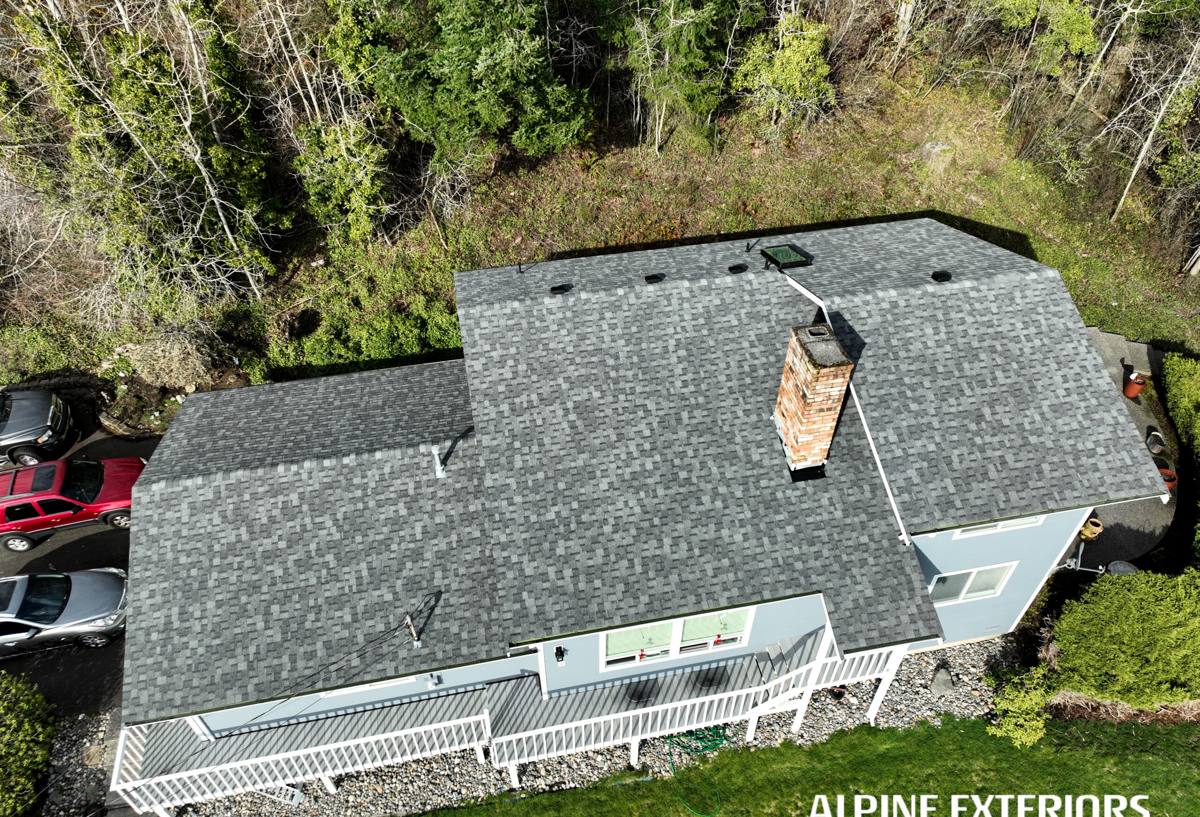
 Asphalt Shingle Roofing for Edison Homes
Edison sits close enough to the water that the air itself works against a roof. Salt-laden breezes off the bay, wind-driven rain that comes in sideways instead of straight down, and shaded, damp lots that never quite dry out between storms — all of it adds up to a shingle roof that ages differently here than it would inland. We've spent years working roofs in and around Chuckanut, and Edison's roofs consistently show the same wear patterns: corroded fasteners before their time, moss creeping in at the north-facing slopes, and granule loss in spots where wind-driven rain has been hitting the same shingle edge for years.
This page is about one job in one area: correctly installed and maintained asphalt shingle roofing for homes in Edison. Not a general roofing overview — the specific things that matter for a shingle roof standing up to this stretch of Whatcom County coastline year after year.
What Salt Air, Rain, and Moss Actually Do to a Shingle Roof
Salt air and metal components
Asphalt shingles themselves tolerate salt air reasonably well, but the metal that holds a roof system together doesn't. Nails, flashing, and drip edge made from lower-grade or uncoated steel corrode faster near the water than they would twenty miles inland. Once a fastener starts to rust, it loses grip on the shingle above it, and that's how a roof starts leaking at seams and edges long before the shingles themselves are worn out. This is why fastener and flashing material choice matters more here than it does in a lot of other parts of the county.
Driving rain and wind-driven moisture
Chuckanut-area storms rarely come straight down. Wind pushes rain sideways and up under shingle tabs, into valleys, and around anything that penetrates the roof — vents, chimneys, skylights. A roof that would be watertight in calm rain can still leak in a wind-driven storm if the underlayment, valley work, and flashing weren't installed with that in mind. Standard installation practices that work fine in drier, calmer regions sometimes aren't enough here.
Moss and organic growth
Edison's tree cover and marine humidity mean roofs stay damp longer after a storm than they would in full sun. That extra moisture retention time is exactly what moss and algae need to take hold. Moss isn't just cosmetic — as it grows, it lifts shingle edges, holds water against the roof deck, and works its root structure into the granule layer, shortening the life of the shingle underneath it. A north-facing slope shaded by trees can develop a moss problem years before a south-facing slope on the same house shows any sign of it.
What a Correctly Installed Shingle Roof Involves
A shingle roof is a system, not a single product. In a climate like ours, every layer of that system has to be right, because the shingles alone can't compensate for a weak underlayment or bad flashing.
Underlayment and water barrier
Synthetic underlayment or a self-adhering ice-and-water membrane at eaves, valleys, and penetrations gives the roof a second line of defense if wind-driven rain gets past the shingle surface. In a wetter coastal climate, we treat this as standard, not optional, particularly at low-slope sections and valleys where water sits longer.
Ventilation
Balanced intake and exhaust ventilation keeps the underside of the roof deck dry and at a stable temperature. Poor ventilation traps moisture in the attic, which condenses on the underside of the deck and shortens the life of the shingles from below — a slower, less visible failure than a leak, but just as costly to fix once it's advanced.
Flashing details
Step flashing at walls, counter-flashing at chimneys, and properly lapped valley flashing are where most shingle roof leaks actually start — not in the field of the roof itself. Quality flashing material and correct lap direction (always shedding water downhill, never trapping it) matters more in a wind-driven rain climate than almost anything else in the install.
Fasteners
Corrosion-resistant nails, driven correctly (not overdriven, not underdriven, in the manufacturer's designated nailing zone), hold the roof together for the long haul. This is a small line-item cost that has an outsized effect on how a roof performs near salt air.
Choosing the Right Shingle for This Climate
Not every asphalt shingle product performs the same way in a damp, shaded, coastal setting. The table below covers the practical trade-offs we walk homeowners through.
| Shingle Type | Moss/Algae Resistance | Wind Rating | Best Fit |
|---|---|---|---|
| Standard 3-tab | None built in | Lower | Budget-conscious, sun-exposed slopes only |
| Architectural (laminate) | Moderate, better if algae-resistant granules specified | Higher | Most Edison homes; good balance of cost and durability |
| Algae-resistant (AR) architectural | Built-in copper or zinc granules resist streaking and growth | Higher | Shaded, north-facing, or tree-covered lots |
| Impact-rated architectural | Moderate to high depending on AR granules | Highest | Homes wanting maximum durability and longer warranty terms |
For most Edison properties with any tree cover or a shaded slope, we recommend algae-resistant architectural shingles even though they cost a bit more up front. The moss and streaking resistance pays for itself in fewer cleanings and a roof that looks presentable for more of its service life.
Our Process for Edison Roofing Projects
- On-site inspection. We walk the roof (weather permitting) and check the attic from inside — deck condition, ventilation, existing moss or moisture damage, and flashing condition all get documented.
- Honest scope and estimate. We tell you what's actually needed — full replacement, partial repair, or maintenance — and explain why, in plain terms, with a written estimate.
- Material selection. We walk through shingle options suited to your specific exposure (shaded vs. sun, wind exposure, roof pitch) rather than a one-size-fits-all recommendation.
- Deck prep. Any soft or water-damaged decking gets replaced before new roofing goes down — never covered over.
- Installation. Underlayment, ice-and-water membrane at vulnerable areas, flashing, shingles, and ventilation components installed to manufacturer spec and built for wind-driven rain.
- Final walkthrough. We review the completed work with you, including any maintenance recommendations specific to your property's sun and shade exposure.
Maintenance Between Professional Visits
A well-installed roof still needs some ongoing attention in this climate, especially where shade and moisture are working against it. Homeowners can handle most of this themselves between professional inspections:
- Keep gutters clear so water doesn't back up under the shingle edge, especially before and after fall storm season.
- Trim back overhanging branches to reduce shade and let a slope dry out faster after rain.
- Look for visible moss or dark streaking at least once a year, particularly on north-facing slopes.
- Check the attic occasionally for musty odors, damp insulation, or visible daylight — early signs of a ventilation or flashing issue.
- Avoid pressure washing shingles — it strips granules and shortens roof life; a gentle rinse or soft treatment is safer.
- Have flashing and valleys checked after any major windstorm, since that's where wind-driven rain does the most damage.
Cost Factors for Asphalt Shingle Roofing in Edison
| Factor | Why It Matters Here |
|---|---|
| Roof size and pitch | Steeper or more complex rooflines take longer and require more careful flashing and fall protection |
| Shingle grade | Algae-resistant and higher wind-rated products cost more but hold up better against moss and driving rain |
| Deck condition | Water damage found during tear-off (common under aging moss-covered shingles) adds material and labor |
| Flashing and valley scope | More valleys, chimneys, and wall intersections mean more detail work, which is where leaks start if rushed |
| Ventilation upgrades | Older Edison homes sometimes need added intake or exhaust venting brought up to a workable balance |
| Access and site conditions | Tree cover, tight lots, or driveway access can affect staging and cleanup time |
We don't quote a roof over the phone. Every estimate is based on an actual look at the roof and attic, because the factors above vary a lot from one Edison property to the next.
Why Hire a Crew That Already Works in Edison
A roofer unfamiliar with this stretch of coastline might install a roof that would perform fine somewhere drier and less shaded — and then be surprised when moss shows up in year two or a fastener starts weeping rust by year five. We already know which details matter here: algae-resistant shingles on shaded slopes, corrosion-resistant fasteners near the water, and flashing built for rain that comes in sideways, not just straight down. That local knowledge shows up in fewer callbacks and a roof that actually holds up to what Whatcom County's coastal weather does to it, season after season.
If you're dealing with an aging shingle roof in Edison, or planning ahead before moss and salt air turn a small issue into a bigger one, we're happy to take a look. Fill out the form below for a free, no-pressure estimate — we'll tell you honestly what your roof needs and what it doesn't.