 Chuckanut Exterior
 Windows Built for Bellingham's Marine Climate
Bellingham sits close enough to the water that homes take on a version of weather most window manufacturers didn't design for on paper: salt-laden air off the bay, long stretches of driving rain that comes in sideways more often than straight down, and a moss season that can stretch from fall through spring. None of that is dramatic weather compared to a hurricane zone, but it's relentless, and relentless is what actually wears out a window. A frame or seal that would last two decades in a dry inland climate can start failing in half that time here if it wasn't installed with this specific exposure in mind.
Energy efficiency in a Bellingham home isn't just about a lower power bill, though that matters. It's about keeping moisture out of the wall cavity around the window, keeping the glass from fogging between panes, and keeping the frame from cupping or rotting where it meets the siding. A window that's "energy-efficient" on the label but poorly flashed will still let water in behind the trim, and once that happens, the insulation value stops mattering because you've got a bigger problem growing inside the wall.
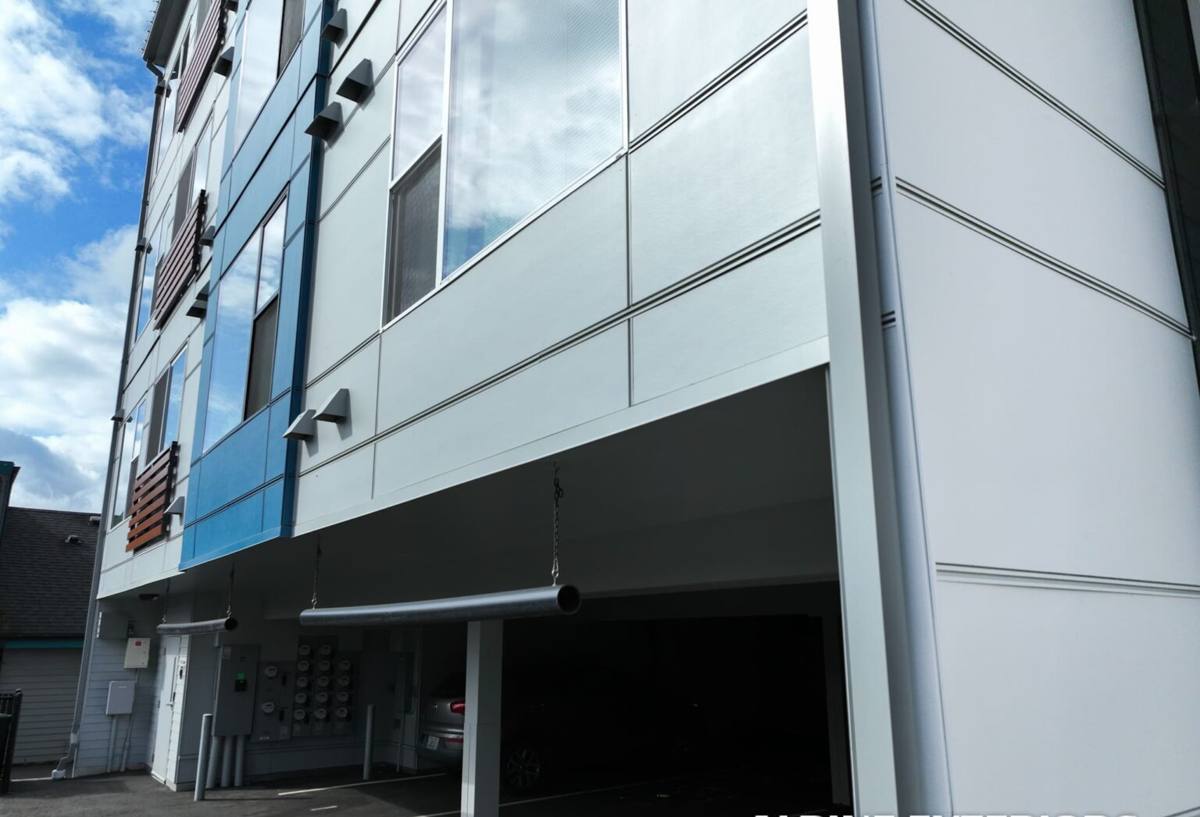
What Local Homes Actually Need From a Window Upgrade
Sealing Against Wind-Driven Rain
Whatcom County storms rarely come straight at a wall — wind pushes rain sideways and up under overhangs, which means the flashing detail around a window matters as much as the window unit itself. A correct install builds a drainage path so any water that gets past the exterior seal has somewhere to go besides into your wall framing.
Standing Up to Moss and Constant Damp
Vinyl and fiberglass frames don't feed moss the way bare wood trim can, but moss and algae still find a foothold in any window sill, corner, or track that stays damp and shaded most of the year. Frame material, sill design, and how easily a homeowner can clean the tracks all affect how much moss buildup you'll be dealing with in year three versus year ten.
Salt Air and Hardware
Closer to the water, salt in the air accelerates corrosion on cheap hardware — hinges, locks, and cranks on operable windows. It's a slower problem than water intrusion, but it's why hardware quality is worth asking about, not just glass and frame.
What a Correct Energy-Efficient Window Job Involves
A window replacement is really three jobs stacked together, and skipping any one of them is where most problems start.
- The glass package — pane count, gas fill, and low-E coatings that control heat transfer without fighting natural light.
- The frame and seal — material choice, weatherstripping quality, and how the sash meets the frame when closed.
- The installation itself — proper flashing integration with the existing wall assembly, correct shimming so the unit doesn't bind or sag, and sealant used in the right places (and not used to paper over a bad fit).
That third piece is where a lot of energy-efficient window jobs quietly fail. You can put a high-performance window into an opening that isn't flashed correctly, and within a few rainy seasons you'll have moisture damage that has nothing to do with the glass and everything to do with the install. This is also where local experience pays off — knowing how older Bellingham-area homes were originally flashed (or weren't) changes how we approach the tie-in.
Our Process
1. On-Site Assessment
We look at each window individually, not just the house as a whole. Sun exposure, wind exposure, sill condition, and any existing signs of moisture or rot get noted before we talk product.
2. Product and Glass Package Selection
We walk through frame material, glass options, and trade-offs in plain terms — no pressure toward the most expensive package if a mid-tier option genuinely fits the window's exposure and your goals.
3. Removal and Opening Prep
Old units come out carefully so we can inspect the framing underneath. If there's hidden rot or a flashing problem from the original build, we address it before the new window goes in — not after.
4. Installation and Flashing Integration
New flashing ties into the existing water-resistive barrier, the unit is shimmed level and square, and insulation is placed around the frame without overpacking it, which can bow the frame and cause operational problems.
5. Final Inspection and Walkthrough
We test operation, check the seal, and walk the job with you before calling it done. We also point out what regular maintenance will look like for the specific windows you chose.
Comparing Frame Materials for This Climate
| Frame Material | Moisture Behavior | Maintenance | Typical Fit |
|---|---|---|---|
| Vinyl | Won't rot; seams are the main watch point | Low — occasional track cleaning | Budget-conscious replacement, most exposures |
| Fiberglass | Very stable in wet/dry cycling | Low | High-exposure walls, long-term hold |
| Wood (clad exterior) | Good if cladding stays intact; bare wood is a moisture risk here | Moderate to high — watch cladding seams | Homes prioritizing interior wood look |
| Aluminum | Conducts cold and can condensate more in our damp winters | Low, but thermal performance is the trade-off | Limited use; mainly older homes being matched |
We don't push clad-wood windows onto walls with heavy rain and moss exposure — not because the product is bad, but because any gap in the cladding seam becomes a slow leak point in a climate that gives that gap a lot of chances to find water. That's a maintenance and moisture-risk call, not a knock on the material itself.
What Drives Cost on a Window Project
| Factor | Why It Matters |
|---|---|
| Number and size of openings | More glass and larger units mean more material and labor |
| Glass package | Double vs. triple pane, coatings, and gas fill change unit price |
| Frame material | Vinyl, fiberglass, and clad-wood carry different price points |
| Condition of the existing opening | Hidden rot or old flashing problems add repair scope |
| Wall exposure | High wind/rain-exposed walls may need more flashing detail |
We'd rather walk your home and give you real numbers based on what your windows actually need than quote off a general range that may not fit your situation.
Signs Your Current Windows Are Losing the Fight
- Fogging or moisture trapped between panes on double- or triple-glazed units
- Drafts you can feel near the frame even with the window latched shut
- Soft or discolored wood trim around the exterior of the window
- Moss or dark staining building up in the sill or track that comes back soon after cleaning
- Windows that are hard to open, close, or lock — often a sign the frame has shifted
- A noticeable difference in room temperature near the window compared to the rest of the room
Any one of these on its own might just mean a window needs attention. Several of them together, especially on the same wall, usually points to a bigger moisture or installation issue worth having looked at before it spreads to the siding or framing around it.
Why a Crew That Already Works Bellingham Matters
Window performance in Whatcom County isn't the same problem as window performance in a dry inland climate, and a crew that mostly works elsewhere can miss the details that matter here — how far rain travels sideways under a given overhang, how fast moss establishes on a shaded north wall, or which older Bellingham-area homes were built with flashing details that need extra attention during a replacement. We work this area regularly, so those aren't unknowns we're guessing at on your job.
We're also going to be around afterward. If something needs an adjustment after the first hard winter storm, we're a local call, not a name from out of the area you're trying to track down.
Maintaining Energy-Efficient Windows in a Wet Climate
Even a well-installed window benefits from basic upkeep in this climate. Clear debris from tracks and weep holes so water can drain as designed. Rinse off moss and organic buildup before it takes hold rather than after. Check exterior caulking annually where the frame meets siding or trim, since sealant is a wear item and this climate wears it faster than a dry one would. None of this is heavy work, but skipping it is how a good window starts developing bad habits.
If you're weighing a window upgrade, or just want a straight answer on whether your current windows are actually the problem, we're happy to take a look. Estimates are free and there's no pressure — just an honest read on what your home needs, using the form below.