 Chuckanut Exterior
 Window Installation in Alger: Built for a Different Kind of Weather
Homes around Alger sit close enough to the water and the tree line that they take on weather most inland Washington houses never see. Wind off the water drives rain sideways into window walls, salt-laden air works on hardware and finishes year-round, and the shade from surrounding evergreens keeps everything damp longer than it should be. Window installation done for this stretch of Whatcom County has to account for all three, not just the standard Pacific Northwest rain that every contractor already knows how to handle.
A window that performs fine on a dry, sheltered lot inland can fail years early here if it's installed without the right flashing detail, the right sealant, or the right hardware finish. That's the difference between a window installation crew that works from a generic checklist and one that's actually spent time on Alger-area homes.
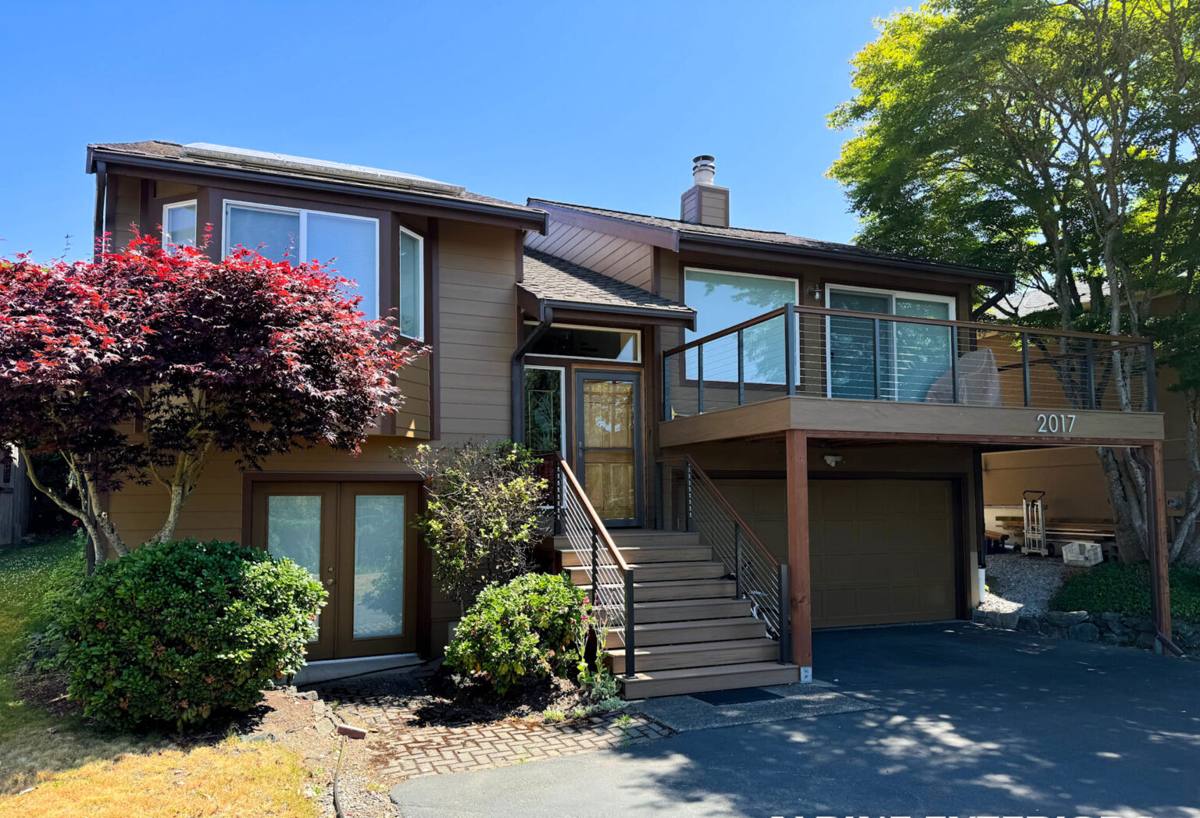
What Salt Air, Driving Rain, and Moss Season Do to Windows
Salt Air and Hardware
Salt in the air accelerates corrosion on anything metal — hinges, locks, cranks, and the fasteners holding a window frame in place. Cheap or mismatched hardware finishes will pit and seize well before the glass unit itself has a problem. This is a material selection issue as much as an installation one.
Driving Rain and Wind-Driven Water
Rain that comes in at an angle behaves differently than rain that falls straight down. It gets pushed up and under trim, into nail fin gaps, and behind poorly lapped house wrap. A window can be watertight in a lab test and still leak on an exposed Alger wall if the flashing sequence around it wasn't built to shed water moving sideways, not just down.
Moss Season and Trapped Moisture
The long moss season in this part of Whatcom County means anything that stays damp, stays damp for months at a stretch. Moss and organic buildup around a window's exterior trim hold moisture against wood and sealant longer than open sun would allow. Left alone, that constant dampness breaks down caulking, softens trim, and eventually finds its way to the framing behind the window.
Signs Your Alger Home's Windows Need Attention
Most window problems announce themselves gradually. Worth checking for:
- Soft or discolored trim at the bottom corners of window openings
- Fogging or a hazy film between panes, which means the seal on the glass unit has failed
- Windows that are hard to open, close, or lock — often a sign the frame has shifted or swollen
- Visible moss, algae, or dark streaking building up on exterior sills and trim
- Drafts or a noticeable temperature difference near the window even when it's shut
- Peeling or bubbling paint on interior trim near the window, which usually points to moisture getting in from outside
- Rust staining below hinges, locks, or exposed screws
Any one of these on its own might just need minor repair. Several at once, especially on the same window, usually means it's time to talk about replacement rather than another round of caulk and patch.
What a Correct Window Installation Actually Involves
The window itself is only part of the job. How it's tied into the wall around it determines whether it holds up.
Flashing and Weather Barrier Integration
Every opening needs flashing that laps correctly with the house wrap above and below the window — sill pan first, side flashing next, head flashing last, always shingled so water is directed out and down, never trapped behind the siding. On a wind-exposed Alger wall, this sequence matters more than it would on a sheltered inland home, because wind-driven rain will find any gap in the lapping.
Sealing and Insulation
Gaps between the window frame and the rough opening need to be filled with proper low-expansion foam or backer rod and sealant — never packed tight with standard spray foam, which can bow the frame and cause the window to bind or leak. Exterior sealant joints need to be sized and tooled correctly, not just smeared on as an afterthought.
Fit and Squaring
A window that isn't shimmed level, plumb, and square will operate poorly and stress its seals prematurely, even if everything around it was flashed correctly. This is a slow, careful part of the job that shouldn't be rushed to hit a daily install quota.
Choosing the Right Window for This Climate
Frame material matters more here than in a lot of the country, mainly because of moisture exposure and salt air. There's no single right answer for every home — it depends on budget, the home's style, and how exposed the specific wall is.
| Frame Material | How It Handles This Climate | Trade-Offs |
|---|---|---|
| Vinyl | Won't rot or corrode; handles damp and salt air well with no upkeep | Limited color options; can expand/contract with temperature swings |
| Fiberglass | Very stable in moisture and temperature; strong resistance to warping | Higher upfront cost than vinyl |
| Wood-clad | Classic look, good insulating properties | Exterior cladding still needs sealant maintained; more sensitive to installation quality in wet, exposed spots |
| Aluminum | Strong and slim-profile | Poor insulator and prone to corrosion in salt air unless properly finished and maintained |
For homes with direct wind and water exposure, we generally steer toward vinyl or fiberglass because they hold up with the least ongoing maintenance. Wood-clad windows can still be the right call on a more sheltered wall or where the look matters most to the homeowner — we'll walk through the honest trade-offs for your specific exposure rather than pushing one product for every wall of the house.
Glass Packages
Double-pane, low-E glass is the standard baseline for this climate and handles the moisture and temperature swings well. Triple-pane adds insulation value and sound dampening but comes at a real cost premium — worth discussing if the window faces prevailing wind and rain directly, less critical on a sheltered side of the house.
How Our Process Works
- On-site assessment of each window opening, checking for existing water damage, rot, or settling before quoting anything
- Honest recommendation on frame material and glass package based on that specific wall's exposure — not a one-size-fits-all pitch
- Written estimate with no surprise add-ons once work begins
- Removal of the old window and inspection of the rough opening and framing underneath, since this is where hidden moisture damage shows up
- Any needed repairs to sheathing or framing addressed before the new window goes in — installing a new window over a damaged opening just hides the problem
- Proper flashing, shimming, insulating, and sealing of the new window per the sequence described above
- Interior and exterior trim finished to match the home
- Final walkthrough and operation check on every window installed
Cost Factors to Expect
Every home is different, and exact pricing depends on the specifics of your project. In general, the biggest factors are:
| Factor | Why It Affects Cost |
|---|---|
| Frame material and glass package | Vinyl is generally the most budget-friendly; fiberglass and triple-pane glass add cost |
| Number and size of windows | Larger openings and full-house replacements bring per-unit costs down slightly versus single-window jobs |
| Condition of the existing opening | Rot or framing damage found during removal adds repair time before the new window can go in |
| Wall exposure | Highly exposed walls may call for upgraded flashing details or sealants, adding modest labor time |
| Trim and finish work | Matching existing interior or exterior trim profiles takes more time than standard trim |
We'll give you a clear, itemized estimate before any work starts — no vague ranges left to guess at once the job is underway.
Why Local Experience in Alger Matters
A contractor who's only worked drier, more sheltered sites can still install a technically correct window and have it underperform here, simply because they weren't watching for wind-driven rain patterns or salt exposure on hardware. Crews that regularly work this part of Whatcom County know which walls on a typical Alger home take the worst of the weather, which materials hold up without constant upkeep, and where the old flashing details tend to fail first. That local pattern recognition is what keeps a window installation from becoming a callback a few years later.
Keeping Your New Windows Performing Through Moss Season
Good installation gets you most of the way there, but a little upkeep extends the life of any window in this climate:
- Rinse sills and trim periodically to clear moss and organic buildup before it holds moisture against the frame
- Check exterior caulking annually and re-seal any cracked or separated joints
- Wipe down and lightly lubricate hardware to slow salt-air corrosion
- Trim back nearby vegetation that keeps a window in constant shade and dampness
- Address any new drafts, stiff operation, or trim discoloration early rather than waiting
If you're noticing any of the warning signs above, or you're just ready to stop patching old windows through another wet season, we're happy to take a look. Reach out for a free, no-pressure estimate — we'll assess your home's specific exposure and give you a straight answer on what it actually needs.