 Chuckanut Exterior
 Windows Built for South Hill's Weather, Not Just Its Views
South Hill homes sit close enough to the water and the surrounding tree cover that windows here work harder than windows almost anywhere else in Whatcom County. You get salt-laden air drifting up off the bay, wind-driven rain that finds every gap in a seal, and a wet, shaded moss season that can stretch for months. Add in the older housing stock common to this part of Chuckanut — a lot of original wood-frame windows, plus a wave of builder-grade vinyl replacements from decades past — and you end up with a neighborhood where window failure shows up early and often.
We replace windows in South Hill regularly enough to know the patterns: which exposures fail first, which frame materials hold up, and which installation shortcuts turn into a callback two winters later. This page is about that one job — window replacement, in this one neighborhood — done the way it needs to be done here, not the way a generic install crew would do it anywhere else.
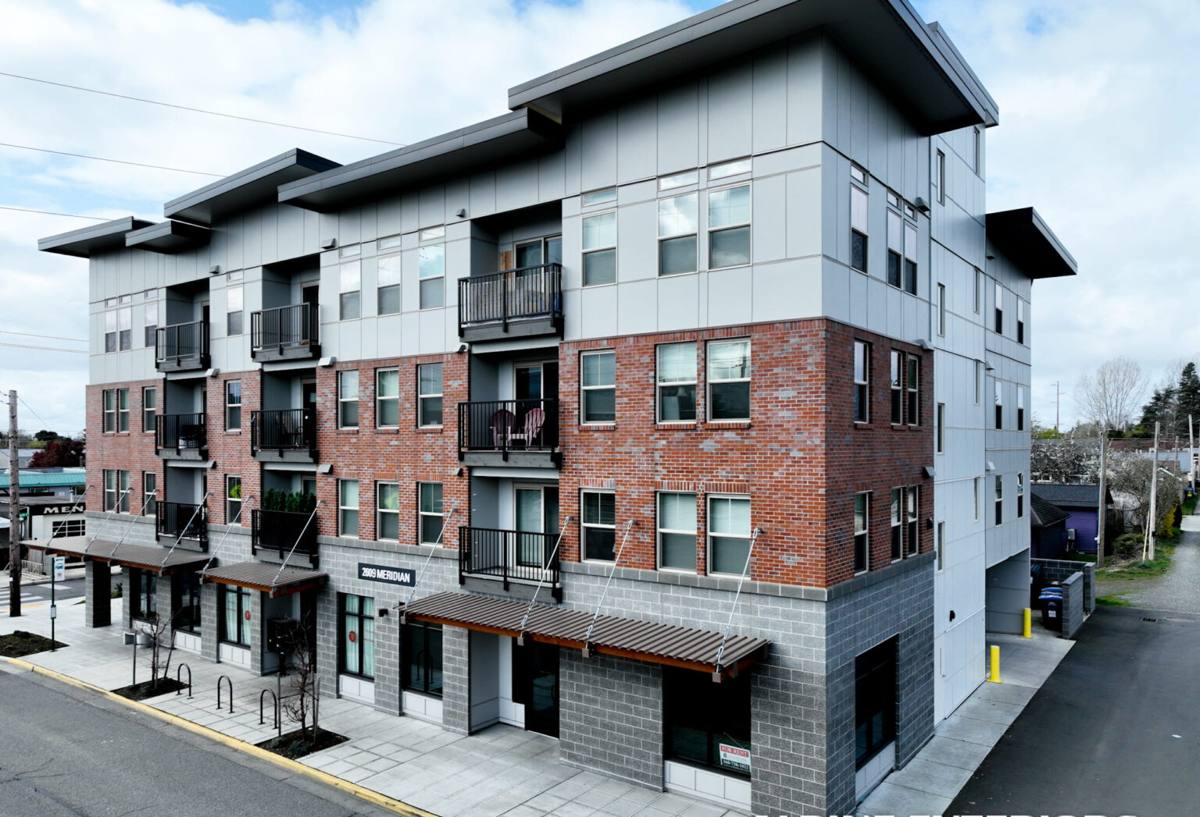
Why South Hill Windows Fail Faster Than the Manufacturer's Warranty Suggests
Salt Air and Metal Hardware
Homes with any exposure toward the water pick up airborne salt that settles on window hardware, screens, and frame fasteners. Over years, that accelerates corrosion on cheaper hinges, cranks, and locking mechanisms — long before the glass or frame itself gives out. It's a slow problem, which is exactly why it gets ignored until a window won't latch anymore.
Driving Rain and Wind-Loaded Seals
Chuckanut gets rain that doesn't just fall — it's pushed sideways by wind off the water. That kind of weather stresses the seal between the window unit and the rough opening far more than a calm, straight-down rain would. A window that's watertight in a lab test can still leak in South Hill if the flashing and sealant details weren't done for wind-driven conditions specifically.
Moss Season and Trapped Moisture
The long, shaded, wet stretch of the year encourages moss and algae growth on north-facing and tree-shaded walls. That growth holds moisture against the exterior trim and sill longer than a dry climate ever would. If a window's drainage path is blocked, undersized, or was never installed correctly, that trapped moisture works into the wall assembly — and by the time you see staining or soft wood inside, the damage has usually been building for a while.
Signs a South Hill Home Needs Window Replacement, Not Just Repair
- Visible fog or moisture between panes of double- or triple-glazed units — the seal has failed and can't be restored
- Soft, discolored, or spongy wood at the sill or bottom corners of the frame
- Windows that are noticeably harder to open, close, or lock than they used to be
- Persistent drafts you can feel even with the window fully closed and locked
- Visible gaps between the window frame and exterior trim or siding
- Condensation forming on the inside of the glass regularly, even in mild weather
- Moss or dark staining concentrated right around a window opening, rather than spread evenly across the wall
Some of these can be addressed with repair or re-caulking if caught early. Once moisture has reached the frame material itself, repair becomes a temporary patch — replacement is the honest recommendation.
What a Correct Window Replacement Actually Involves
The window unit itself is maybe half the job. The other half — the part homeowners don't see once it's finished — is what determines whether the new window lasts fifteen years or fails again in five.
1. Opening Inspection
Before anything goes in, we check the rough opening for hidden rot, soft framing, or prior water intrusion. In a neighborhood like South Hill, it's common to find some degree of moisture damage around older windows that were never properly flashed. This gets addressed before the new unit is set — installing a new window into a compromised opening just repeats the same failure.
2. Flashing and Drainage Detail
This is the step that matters most for driving rain and moss-season moisture. Proper flashing directs water down and out and away from the wall assembly rather than letting it collect at the sill. Given the wind-driven rain typical of this area, we don't treat flashing as optional trim work — it's the actual weatherproofing.
3. Air Sealing and Insulation
Gaps around the frame get sealed with appropriate low-expansion foam or sealant — not stuffed with fiberglass insulation alone, which doesn't stop air movement. This is where a lot of the draft and energy-loss complaints actually originate.
4. Hardware Selection for Coastal Exposure
For homes with real salt air exposure, we pay attention to hardware quality — hinges, cranks, and locks that are rated to resist corrosion rather than standard hardware that looks fine on day one and seizes up within a few winters.
5. Interior and Exterior Finish Work
Trim, caulking lines, and touch-up work get finished cleanly on both sides. A rushed finish is often the first visible sign of a rushed install underneath.
Choosing the Right Window for a South Hill Exposure
Not every window on the market is a good fit for this climate. Frame material matters more here than in drier parts of the state.
| Frame Material | How It Handles This Climate | Our Take |
|---|---|---|
| Vinyl | Resists moisture well, low maintenance, decent value | Solid standard choice for most South Hill homes when installed correctly |
| Fiberglass | Very stable in wet, wind-loaded conditions, holds paint well | Strong option for exposed or higher-wind locations, higher upfront cost |
| Aluminum | Prone to condensation and corrosion in salt air unless thermally broken | We use it selectively and only with proper thermal breaks and coatings |
| Wood | Attractive, traditional look, but needs consistent maintenance in a wet climate | Fine for homeowners committed to upkeep; higher long-term moisture risk otherwise |
| Wood-clad | Wood interior with a protective exterior cladding | Good compromise for homes wanting a wood look with better weather resistance |
Glass packages matter just as much as frame material. For South Hill's exposure, we typically recommend double-pane units with a low-E coating and an appropriate gas fill, sized and specified for the wind and moisture load of the specific wall the window sits in — a shaded, moss-prone north wall and a sun-exposed south wall don't need identical specs.
Our Process, Start to Finish
- On-site assessment — we look at existing windows, framing condition, and the specific exposure of each opening before recommending anything
- Honest scope and estimate — you get a clear breakdown of what's being replaced, why, and what frame and glass options make sense for that spot on the house
- Scheduling around weather — openings are only exposed for as long as necessary, and we plan around the wetter stretches of the year when possible
- Removal and opening prep — old units come out, and any hidden moisture or framing issues are addressed before the new window goes in
- Installation with proper flashing and sealing — the weatherproofing details that actually determine longevity
- Finish work and walkthrough — trim, caulking, hardware operation checked, and a final walkthrough so you know exactly what was done
What Window Replacement Typically Involves Cost-Wise
Pricing depends on the number of openings, frame material, glass package, and how much opening repair is needed once the old window comes out. Rather than quote a number that won't reflect your actual house, here's what tends to move the price:
- Frame material — vinyl generally costs less upfront than fiberglass or wood-clad
- Window size and configuration — large or custom-shaped openings cost more than standard sizes
- Condition of the existing opening — hidden rot or framing repair adds labor before installation even starts
- Number of windows replaced at once — doing multiple openings in a single visit is typically more efficient than one-off replacements
- Access and exposure — second-story or hard-to-access windows take more time to install safely
We'd rather walk your specific windows and give you real numbers than throw out a range that doesn't match your house.
Why Hire a Crew That Already Works in South Hill
A window replacement crew that mainly works drier, inland areas of Washington isn't necessarily thinking about wind-driven rain or moss-season drainage as a default part of the job — because for them, it usually isn't. Working regularly in Chuckanut and South Hill means we've already seen how salt exposure, driving rain, and prolonged wet shade affect window installations here specifically, and we build the job around that from the start rather than treating it as an afterthought.
That local familiarity also means fewer surprises during the estimate. We know what to expect when we pull an old window out of a South Hill wall, and we plan the flashing and drainage details accordingly instead of applying a one-size-fits-all approach.
Ready to Talk About Your Windows?
If your South Hill home has windows that are drafty, fogging, sticking, or showing moisture damage around the frame, it's worth having them looked at before another wet season passes. We offer a free, no-pressure estimate — we'll walk the windows with you, tell you honestly what needs replacing and what doesn't, and give you real numbers for your specific home. Use the form below to get started.