 Chuckanut Exterior
 Deck Repair Built for Fairhaven's Waterfront Conditions
Fairhaven sits close enough to Bellingham Bay that salt-laden air reaches almost every deck in the neighborhood, whether it's a small landing off a bungalow or a full-width deck looking out toward the water. That salt air, combined with Whatcom County's long wet season and the moss that comes with it, ages a deck faster here than it would a few miles inland. We repair decks throughout Fairhaven and the greater Chuckanut area, and the damage patterns we see are consistent enough that we've built our repair process specifically around them.
This page covers what deck repair actually involves for a Fairhaven property — not a generic list, but the specific failure points our climate causes, how we diagnose and fix them, and what a homeowner should expect from a contractor working on a coastal Whatcom County deck.
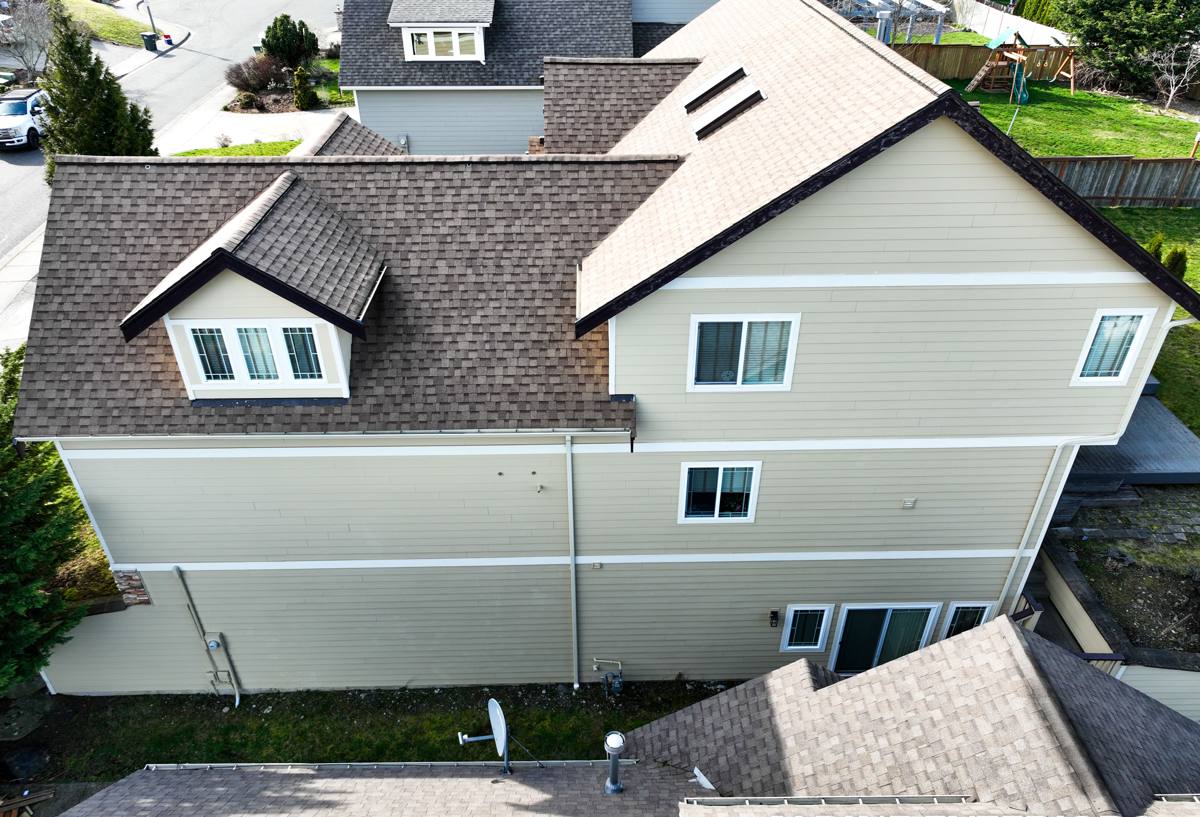
Why Fairhaven Decks Fail Faster
Salt Air and Metal Fasteners
Airborne salt accelerates corrosion on nails, screws, joist hangers, and structural connectors. Once a fastener starts rusting, it loses holding strength well before it looks obviously bad from the top. On older Fairhaven decks built before coastal-rated hardware was standard practice, we routinely find hangers and ledger bolts that have thinned out from years of salt exposure even though the visible deck boards look fine.
Driving Rain and Water Intrusion
Rain in this part of Washington doesn't just fall straight down — wind off the bay pushes it sideways into ledger connections, stair stringers, and any spot where boards butt up against the house. Water that gets driven into those joints and can't drain or dry out is the single biggest cause of hidden rot we find on repair calls.
Moss and Trapped Moisture
Chuckanut's moss season runs long — often eight months or more of conditions damp enough for moss to establish. Moss holds water directly against wood and composite surfaces, keeps boards from drying between rain events, and makes decking surfaces slick and dangerous. Left alone, moss growth on a deck isn't just a cosmetic problem — it's an ongoing moisture source sitting on top of your structure.
What We Actually Look For During a Repair Inspection
- Soft or spongy spots in decking boards, especially near the house and at board ends
- Rust staining or corrosion around fasteners, hangers, and post bases
- Gaps, cracking, or soft wood at the ledger board where the deck meets the house
- Moss or algae buildup, particularly on the north or shaded side of the deck
- Loose, wobbly, or leaning railings and posts
- Stair stringers showing rot at the base or where they contact concrete or soil
- Standing water or poor drainage under and around the deck footprint
- Flashing at the ledger connection that's missing, damaged, or was never installed
We check all of these on every repair visit, not just the spot the homeowner called about. A deck with one visible problem area often has a second one developing nearby that hasn't shown itself yet — usually because it's covered by decking or hidden under railing.
Common Repairs We Handle in Fairhaven
Ledger Board and Flashing Repair
The ledger board — where the deck attaches to the house — is the single most important structural connection on most decks, and it's also the spot most exposed to driving rain. When flashing is missing or failing, water gets behind the ledger and rots both the ledger and the house rim joist behind it. We repair or replace ledger boards, install proper flashing, and make sure water sheds away from the house rather than into it.
Joist and Framing Repair
Rotted or corroded joists lose load capacity gradually, which is why a deck can feel "mostly fine" right up until it isn't. We sister new lumber alongside compromised joists, replace sections that are too far gone, and upgrade hardware to corrosion-resistant fasteners rated for coastal exposure.
Decking Board Replacement
Individual board replacement makes sense when the framing underneath is sound but the surface boards have cupped, split, or rotted. We match spacing and fastening to the rest of the deck so repaired sections don't stand out or create new water traps.
Railing and Post Repair
Loose railings are usually a sign that a post base has rotted or that connection hardware has corroded — not just a matter of tightening a bolt. We address the underlying cause, not just the wobble, since a railing failure is a safety issue.
Stair Repair
Stairs take the most direct rain exposure and the most physical wear of any part of a deck. We rebuild stringers, replace treads, and correct drainage at the base so water doesn't pool where the stairs meet the ground.
Moss and Surface Restoration
For decks where the structure is sound but moss and staining have taken over the surface, we clean and treat the decking, address the moisture source keeping it damp, and recommend a realistic maintenance interval based on the deck's exposure.
Repair or Replace? A Fairhaven-Specific Way to Decide
| Condition Found | Usually Repairable | Usually Needs Replacement |
|---|---|---|
| Surface moss, staining, graying | Yes — clean, treat, maintain | No |
| A few soft or split boards | Yes — spot replacement | No, unless widespread |
| Rust on visible fasteners only | Yes — hardware upgrade | No |
| Rotted ledger board | Yes, if house rim joist is sound | Only if rot has spread into the house framing |
| Rot in multiple joists | Sometimes — sistering can work | Yes, if the majority of framing is affected |
| Leaning or sinking posts/footings | Rarely | Usually, especially on older footings |
| Deck is 20+ years old with recurring issues | Case by case | Often more cost-effective long term |
We give an honest answer on this during the estimate. A deck with isolated damage and sound framing is almost always cheaper and faster to repair than replace. A deck with widespread structural rot, especially in the joists or posts, often costs more to patch piecemeal than to rebuild once and do correctly.
Materials We Use for Coastal Repairs
For structural repairs — joists, ledgers, framing — we use pressure-treated lumber rated for ground contact where appropriate, along with stainless or hot-dip galvanized fasteners and connectors sized for coastal exposure. Standard interior-grade hardware corrodes too quickly this close to the bay, and we won't use it on structural connections regardless of what it might save on materials cost.
For decking surfaces, the right choice depends on the existing deck and the homeowner's priorities. Wood decking is more affordable up front but needs more consistent maintenance — cleaning, sealing, and moss control — to hold up against the moisture load. Composite decking costs more initially but resists moss growth and moisture damage better and needs less ongoing upkeep. We'll walk through the honest trade-offs for your specific deck rather than push one material as a default.
Our Repair Process
- Inspection. We walk the full deck — top, underside, and connection points — not just the area you flagged.
- Written assessment. You get a clear explanation of what's failing, why, and what it will take to fix it correctly.
- Repair plan and estimate. We lay out the scope, materials, and cost before any work starts — no surprise change orders for things we should have caught upfront.
- The repair. We fix the root cause, not just the symptom — a rotted ledger gets new flashing, not just new boards nailed over the problem.
- Final walkthrough. We show you what was done and flag anything worth watching so you're not caught off guard later.
Maintenance That Extends the Life of a Repair
- Clear leaves and debris from between boards regularly, especially in fall
- Treat moss growth early in the season before it establishes, rather than after it's spread
- Check fastener heads and hardware for rust once a year
- Reseal or refinish wood decking on the schedule the product calls for — don't stretch it out in this climate
- Keep gutters and downspouts near the deck clear so runoff isn't dumping extra water onto it
- Walk the deck periodically and note any new soft spots, squeaks, or movement in railings
A repair done correctly should last for years, but no deck in a coastal, high-moss climate is truly maintenance-free. A little attention each year is what keeps a repair from turning into a bigger job down the road.
Why Local Experience in Fairhaven Matters
A contractor who works Fairhaven regularly already knows where salt air does the most damage, which older construction methods in this part of Chuckanut tend to skip flashing or use undersized hardware, and how long moss season really runs here versus a generic seasonal estimate. That local knowledge shortens the diagnostic process and means the repair addresses the actual cause of failure rather than just the visible symptom. We're familiar with the wind and rain patterns coming off Bellingham Bay and build our repairs — from fastener choice to flashing details — around what actually holds up in this specific environment.
If you're seeing soft spots, rust, moss buildup, or a wobbly railing on a Fairhaven deck, we're happy to take a look and give you a straightforward, no-pressure estimate on what it will take to fix it right. Use the form below to get started.